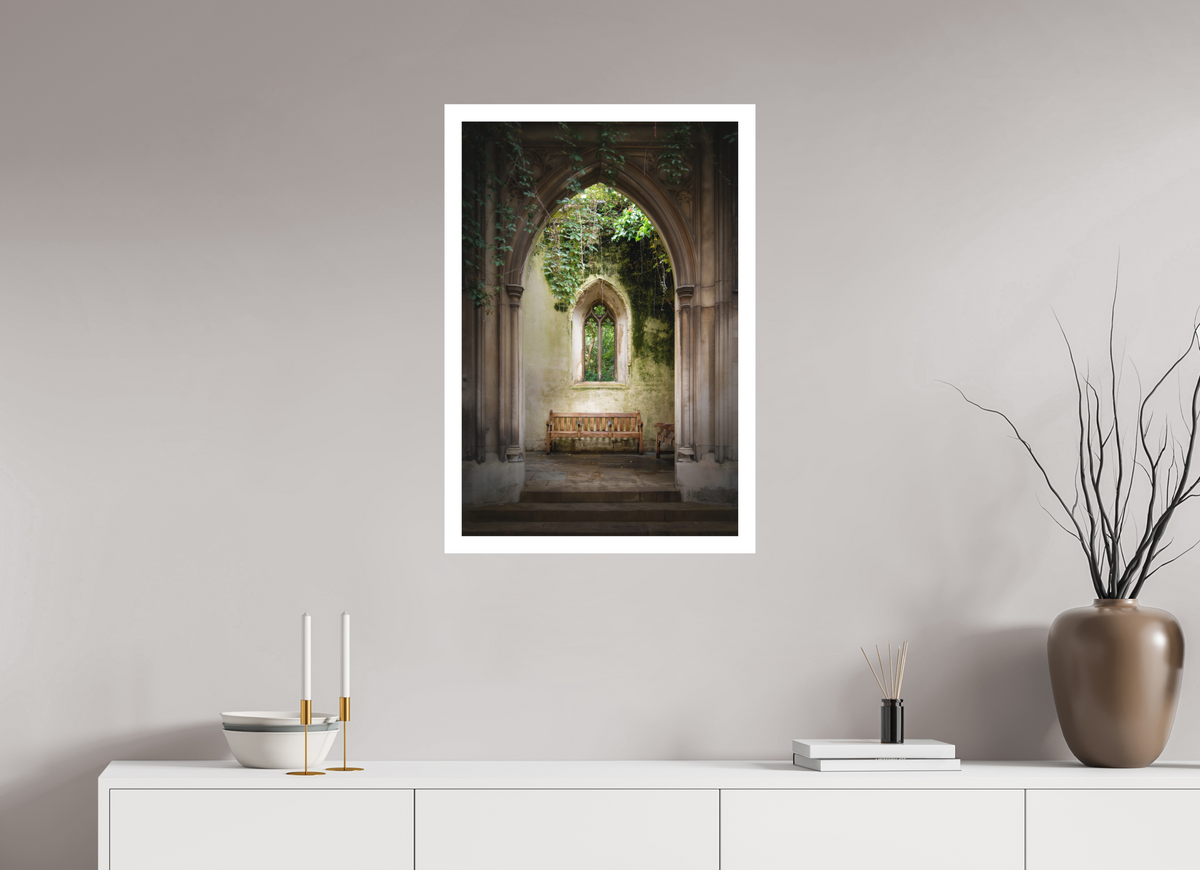

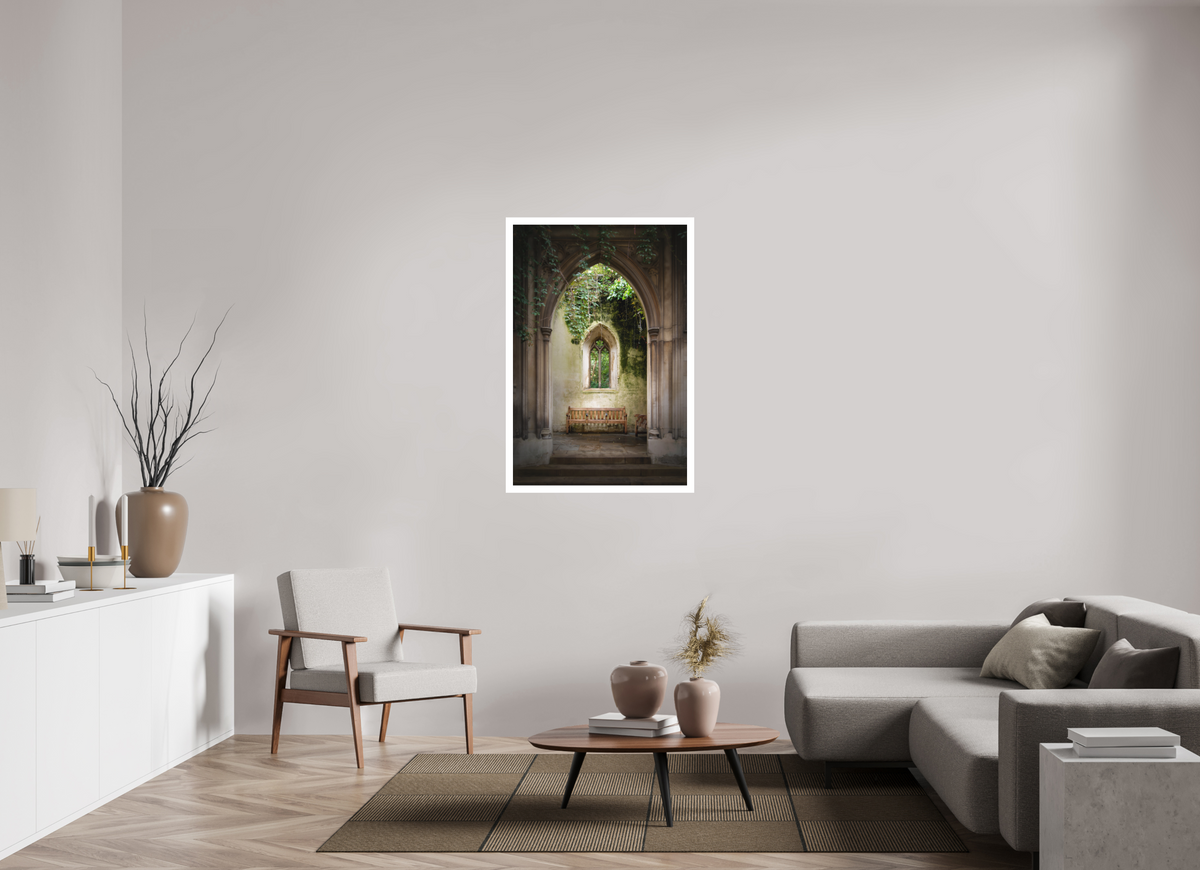
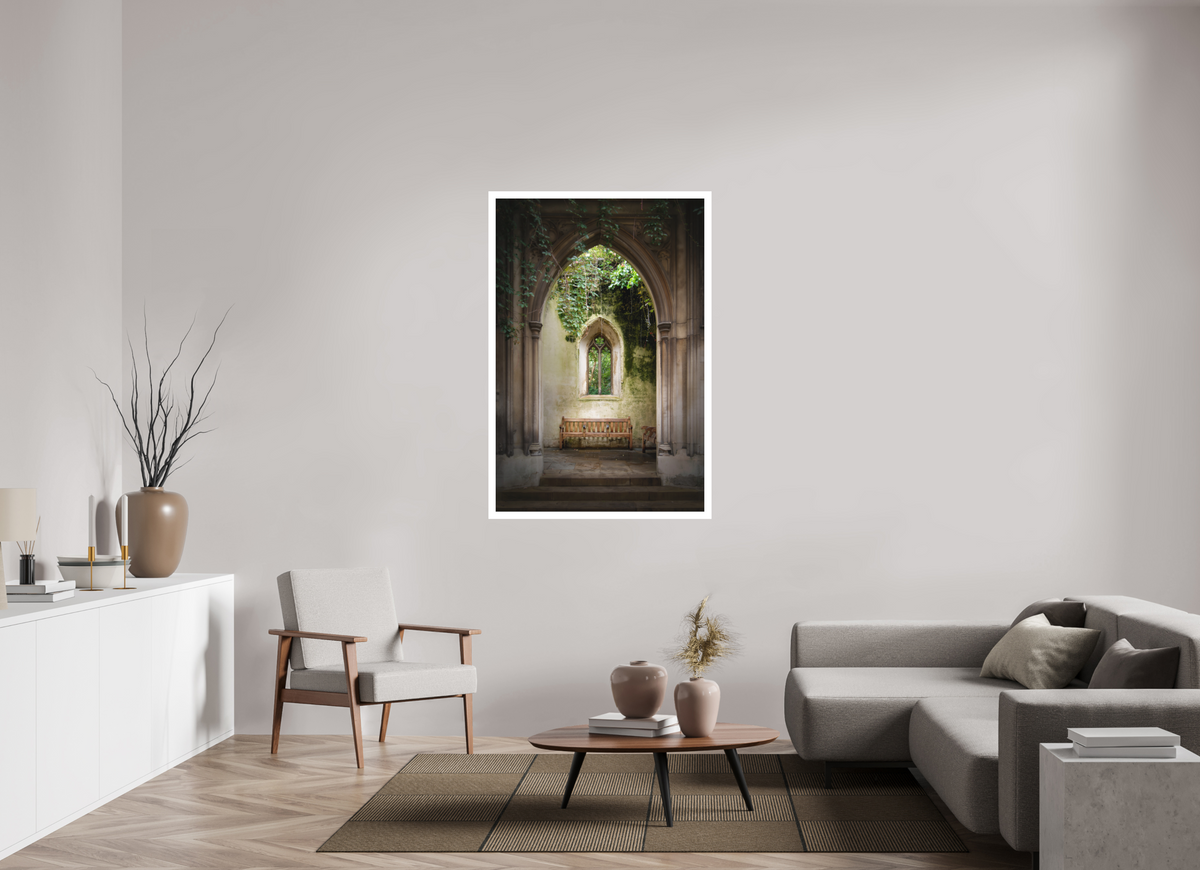

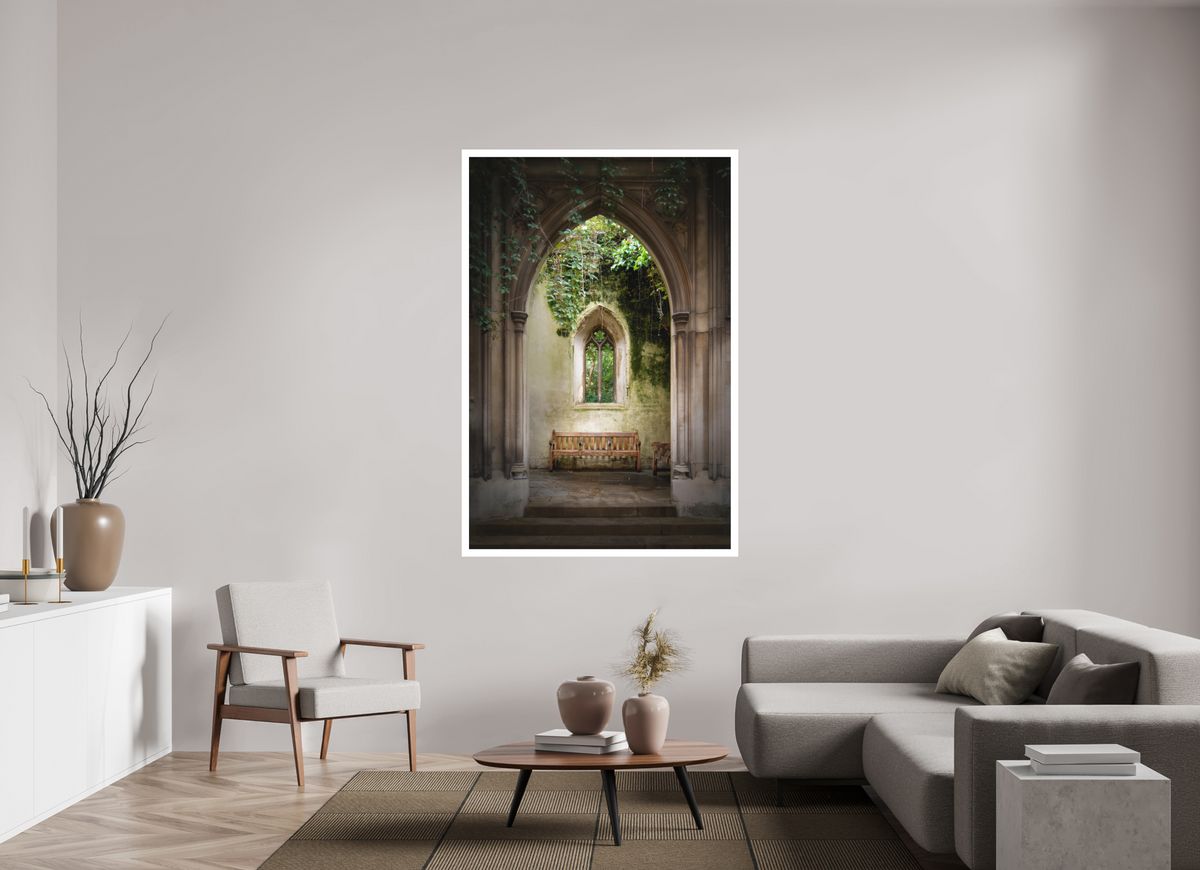


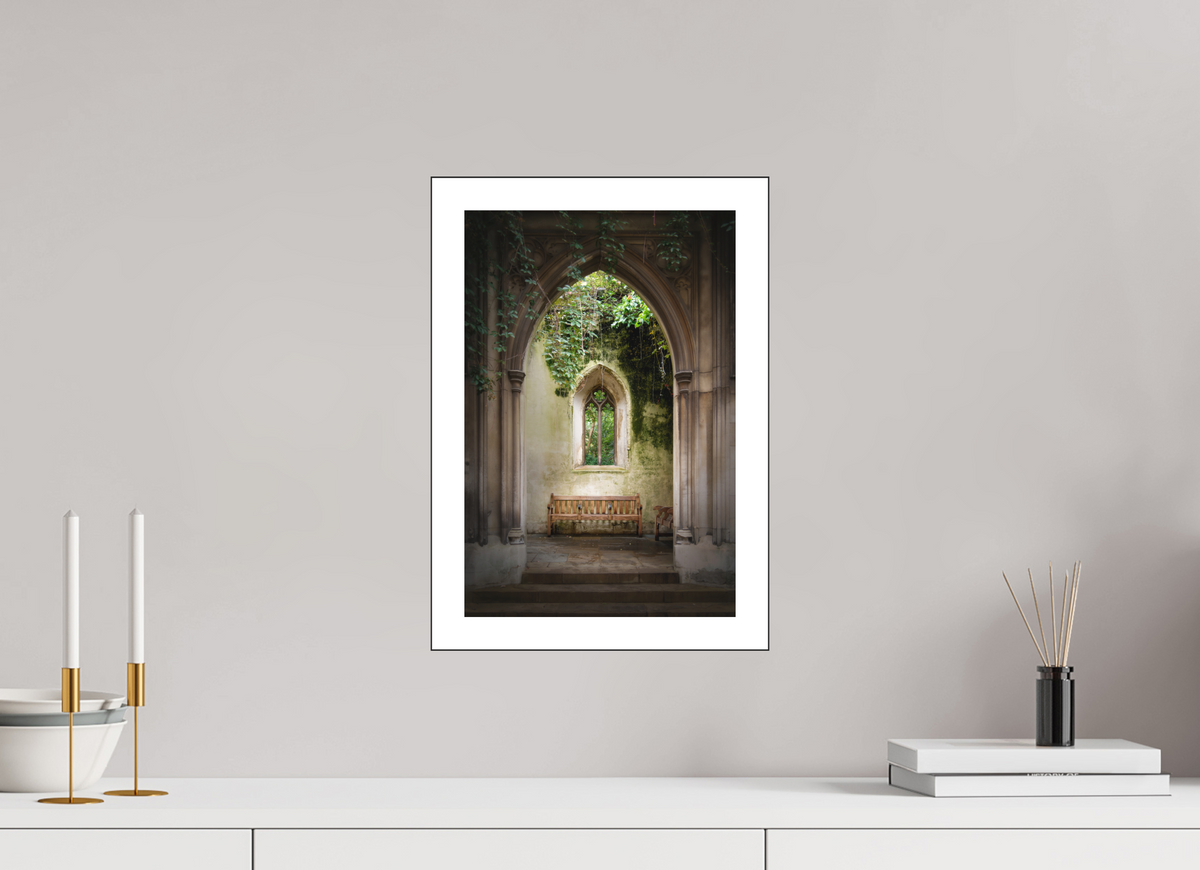

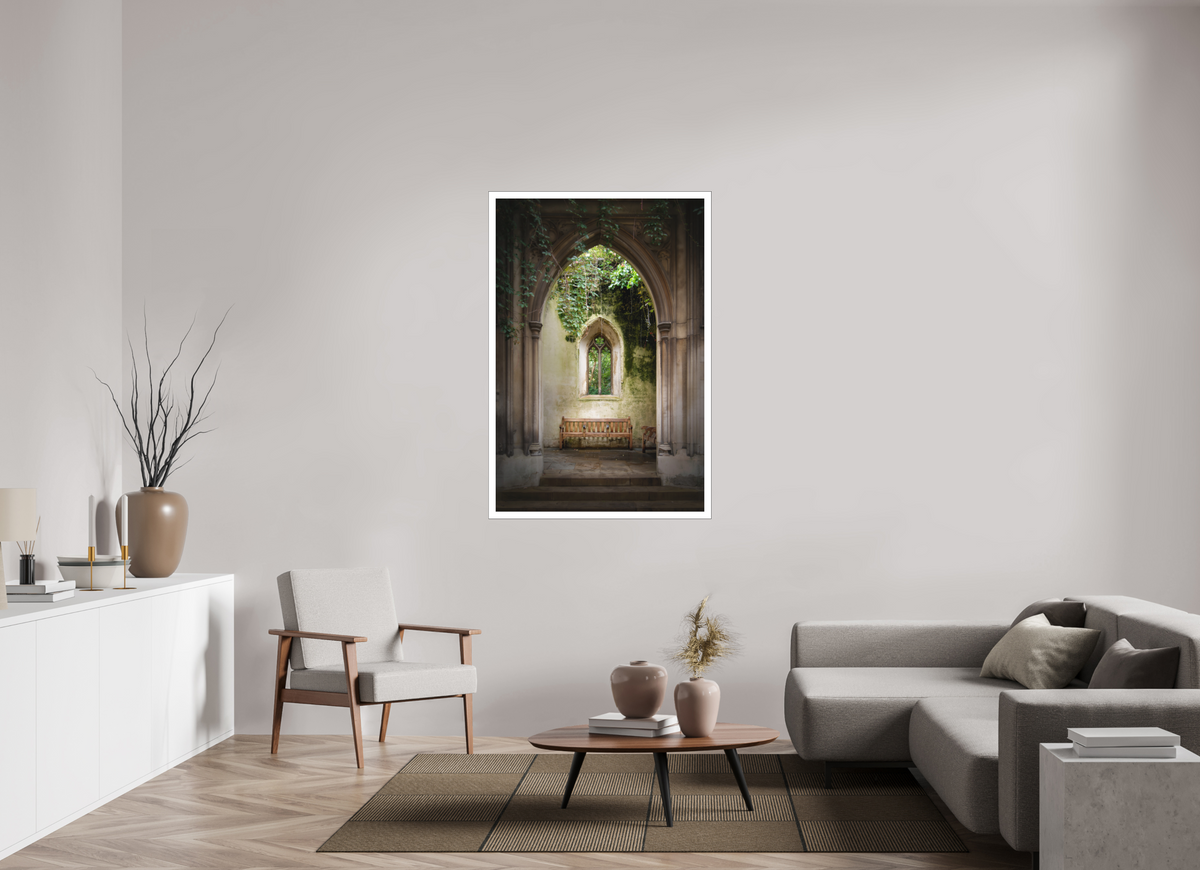

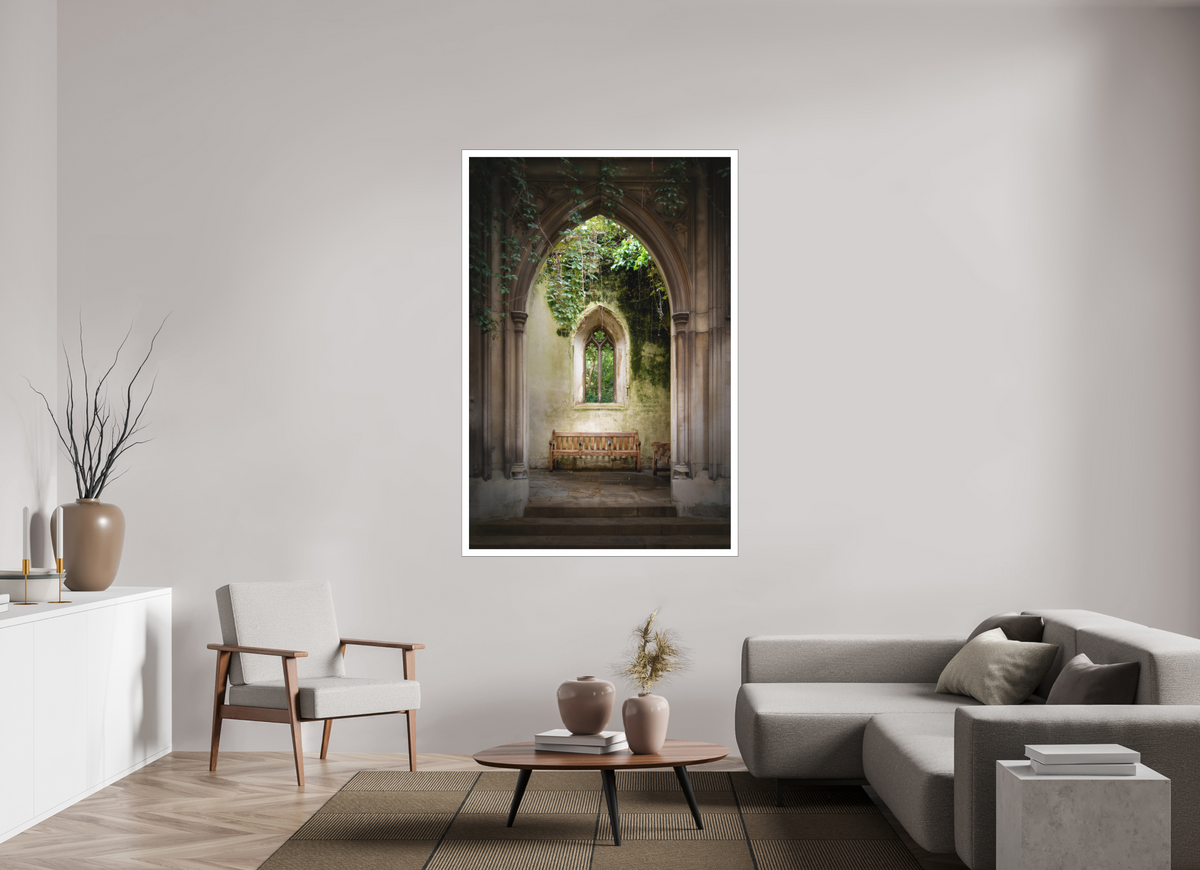
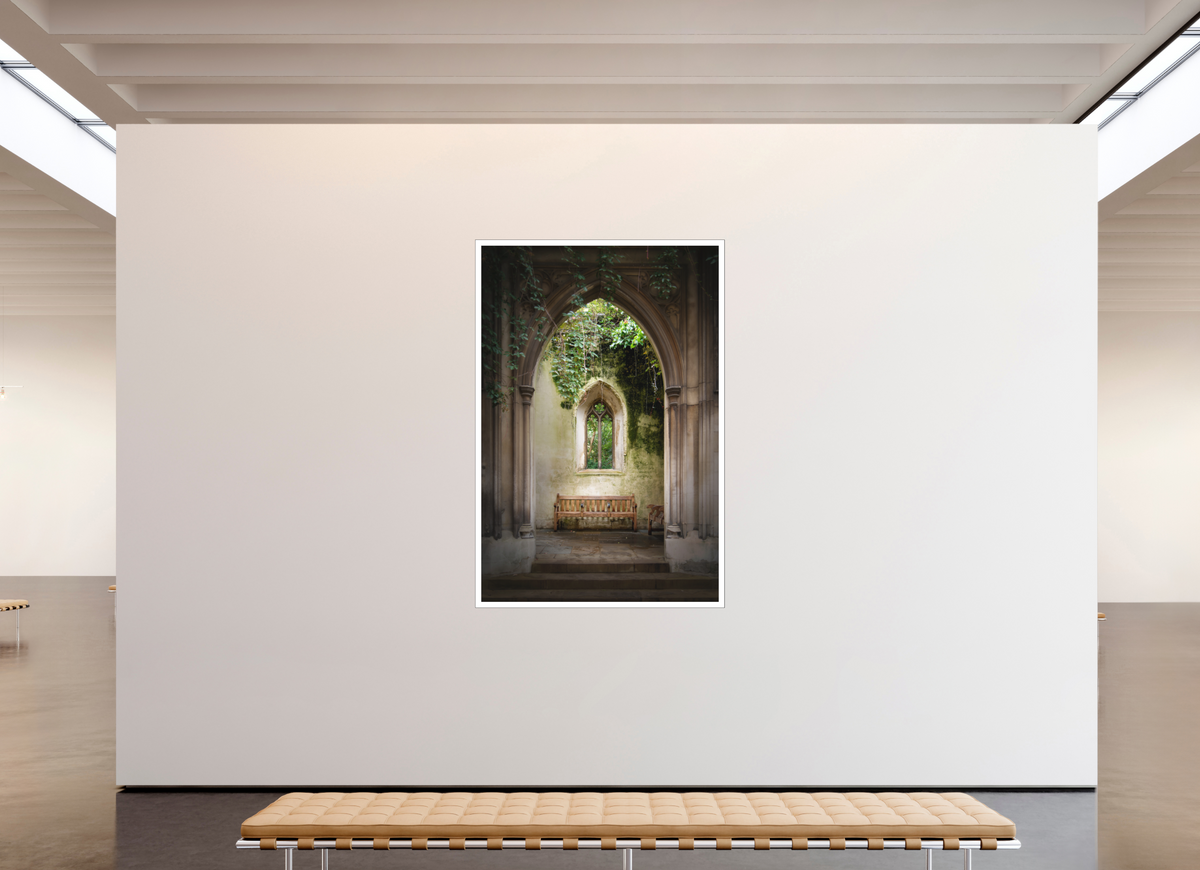
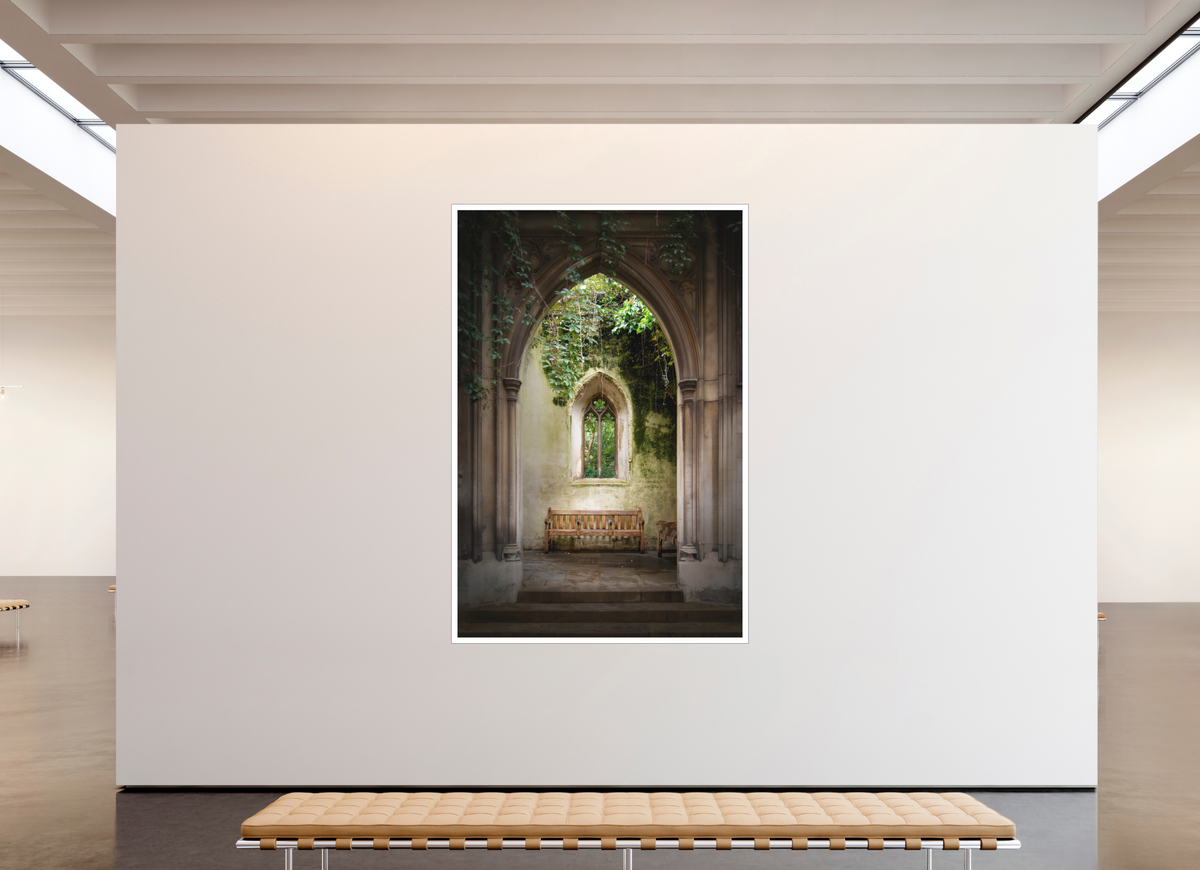
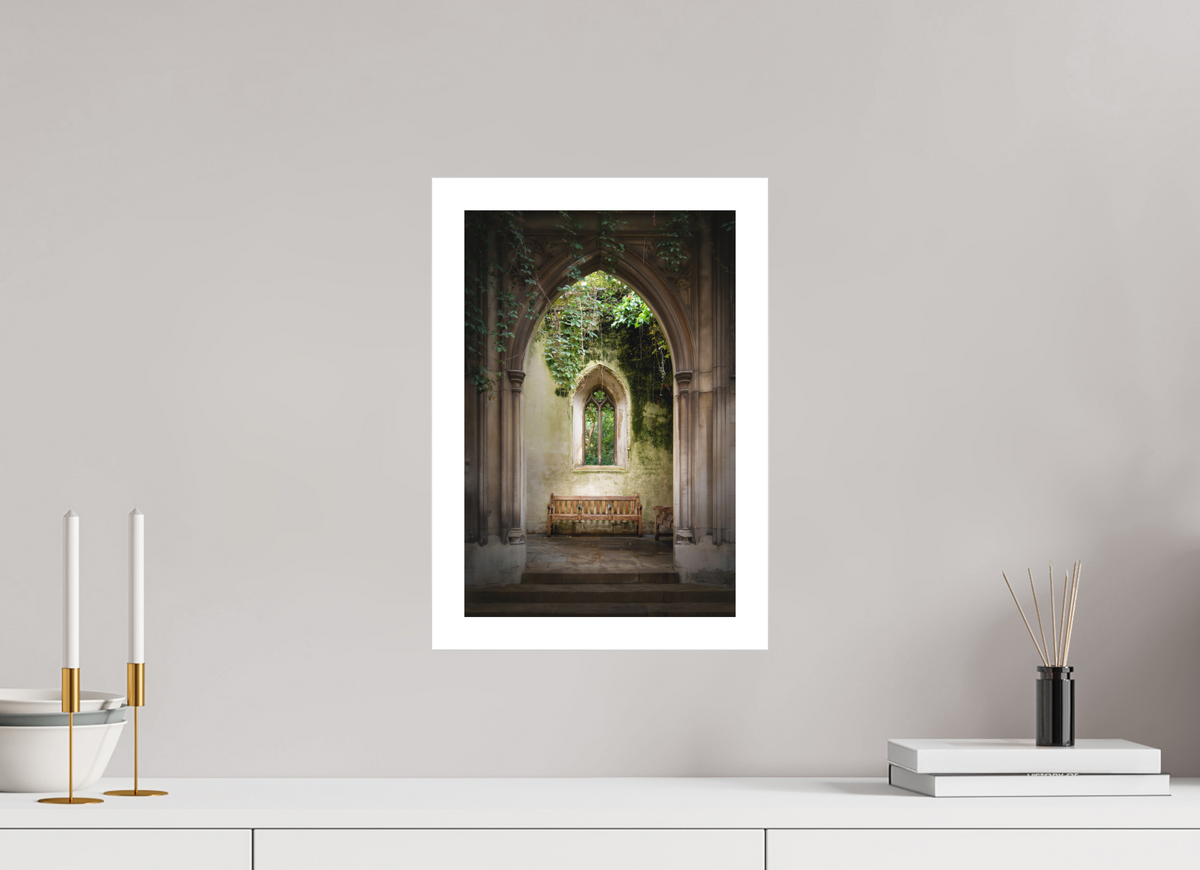




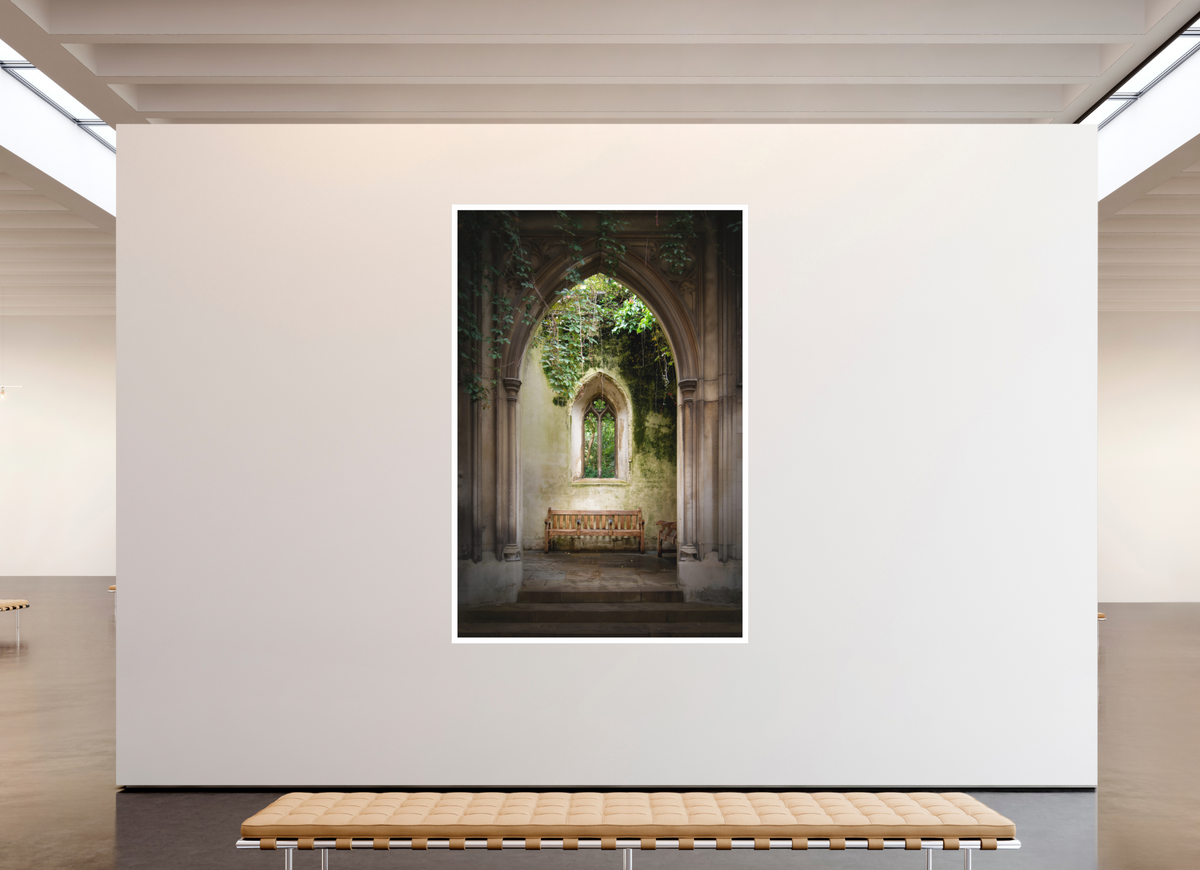

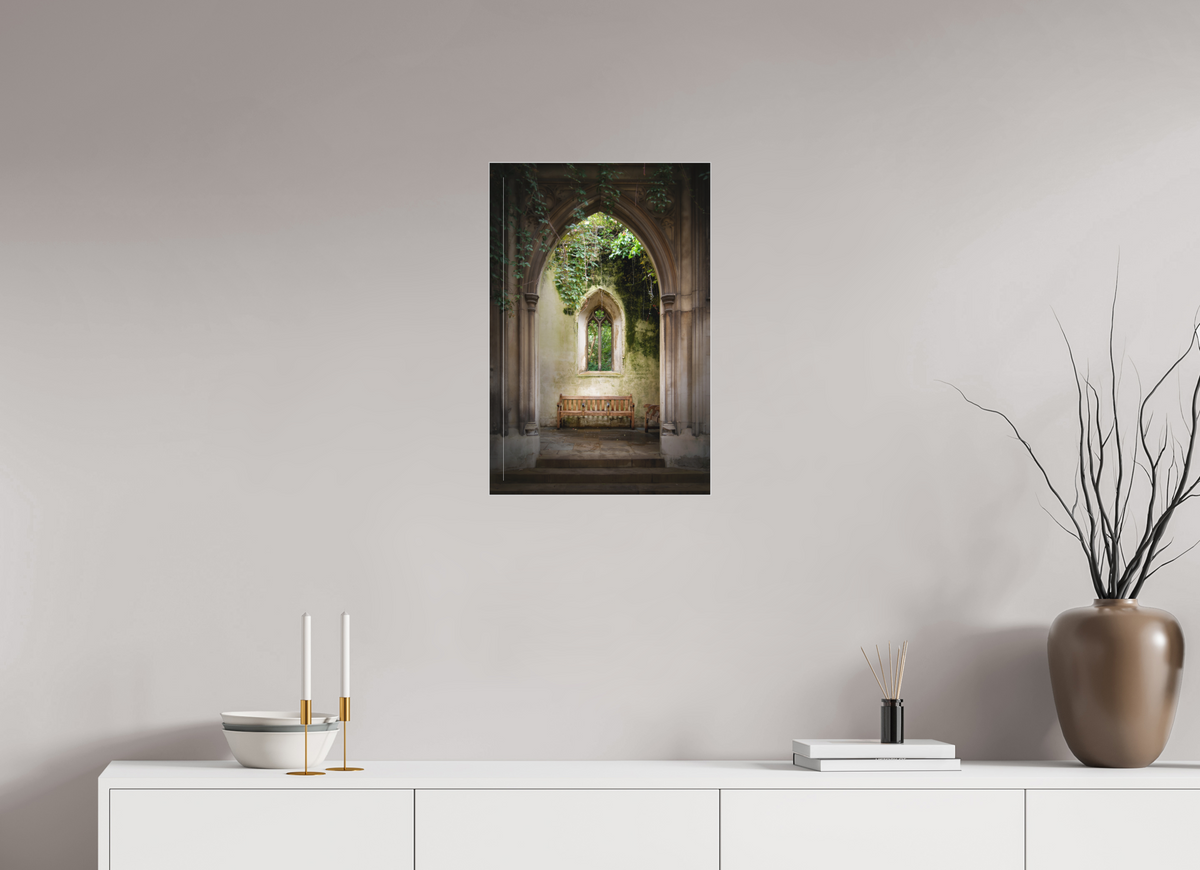
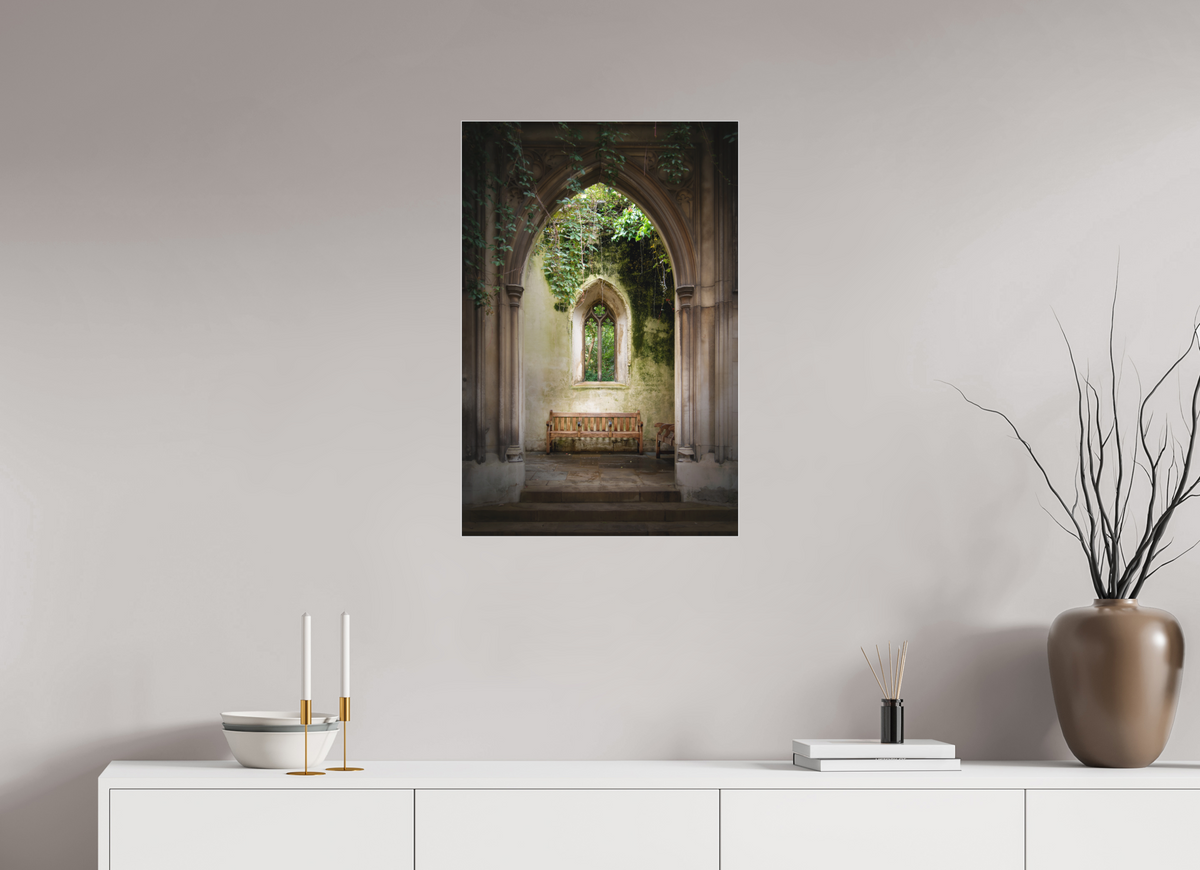
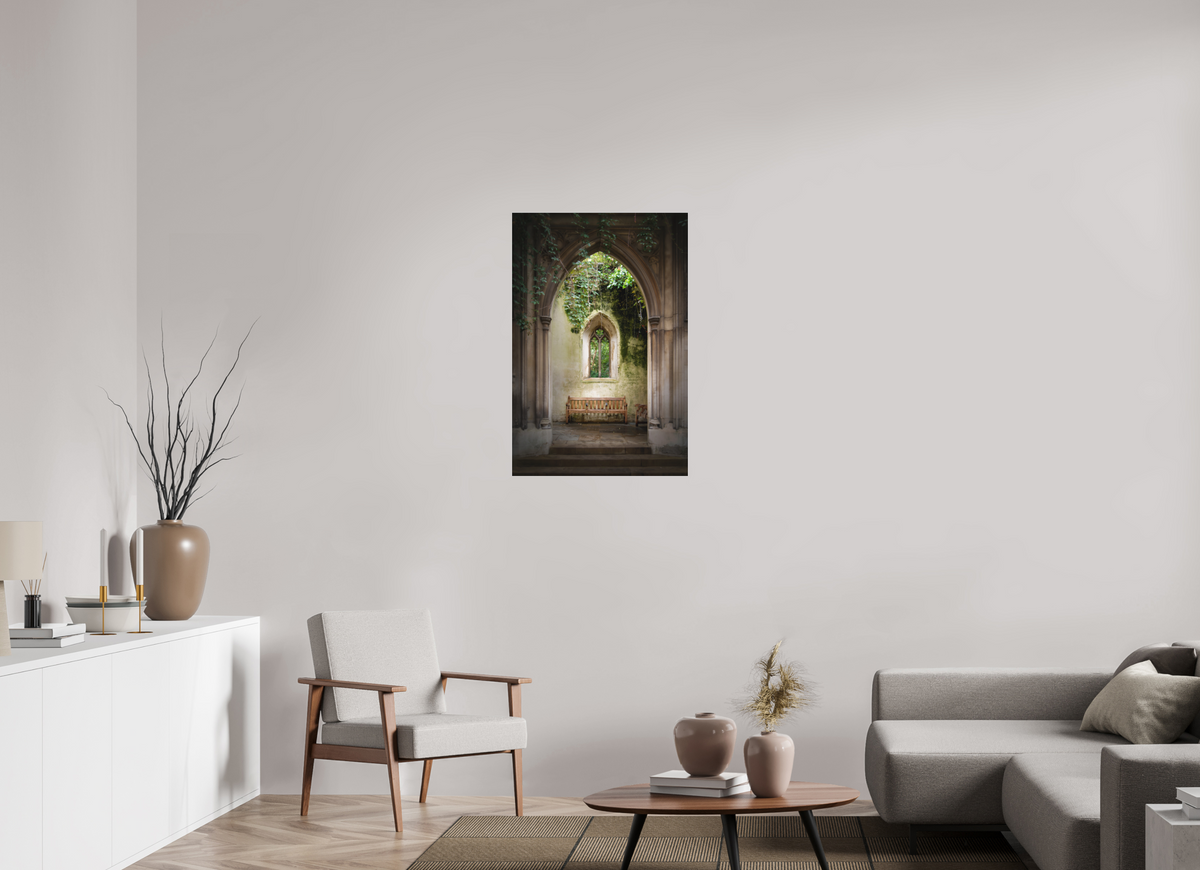
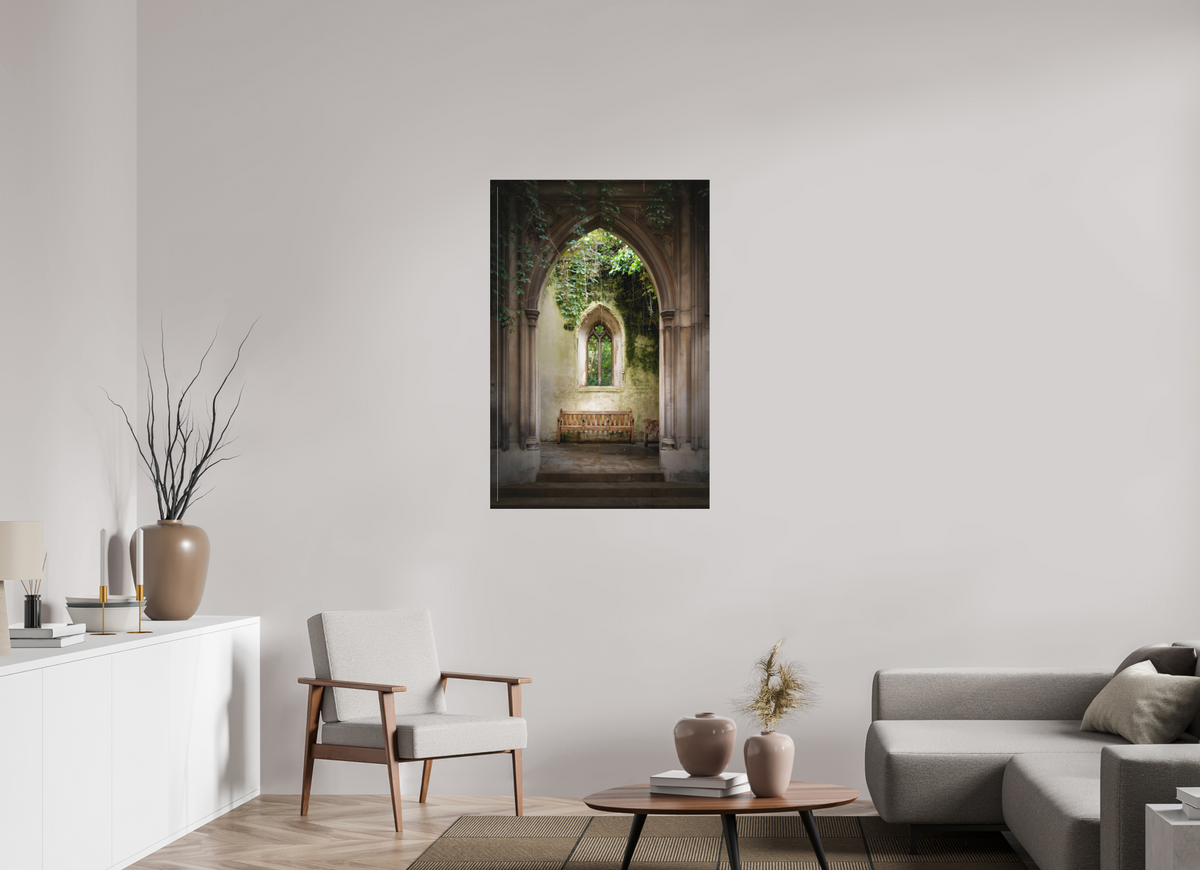
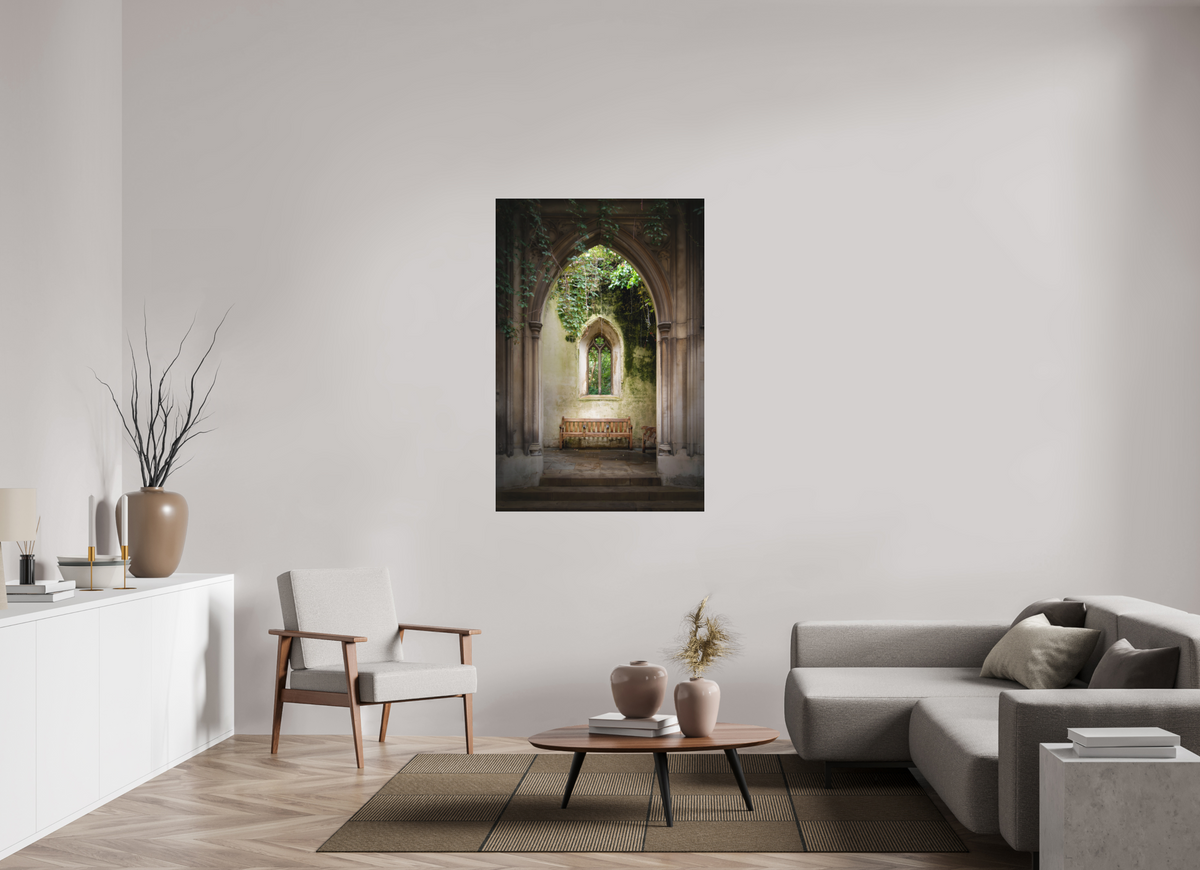
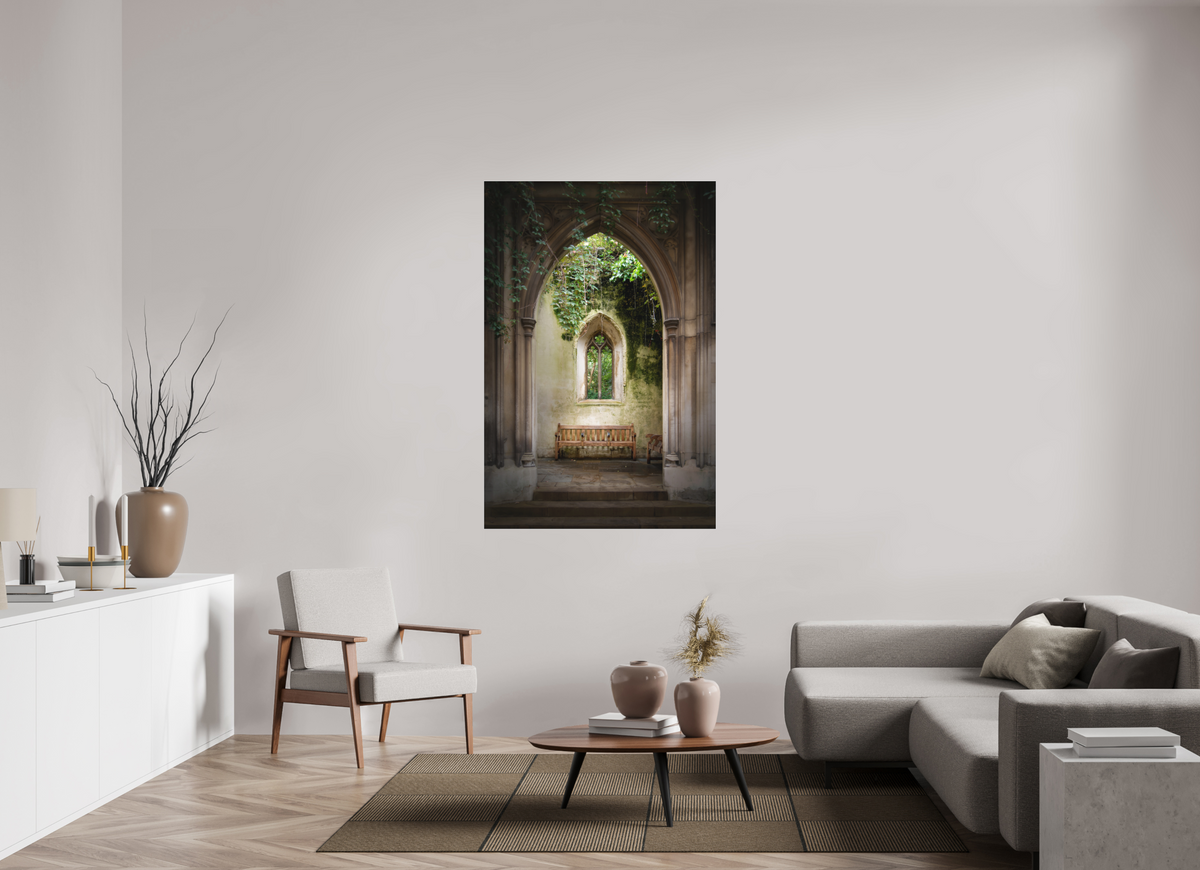


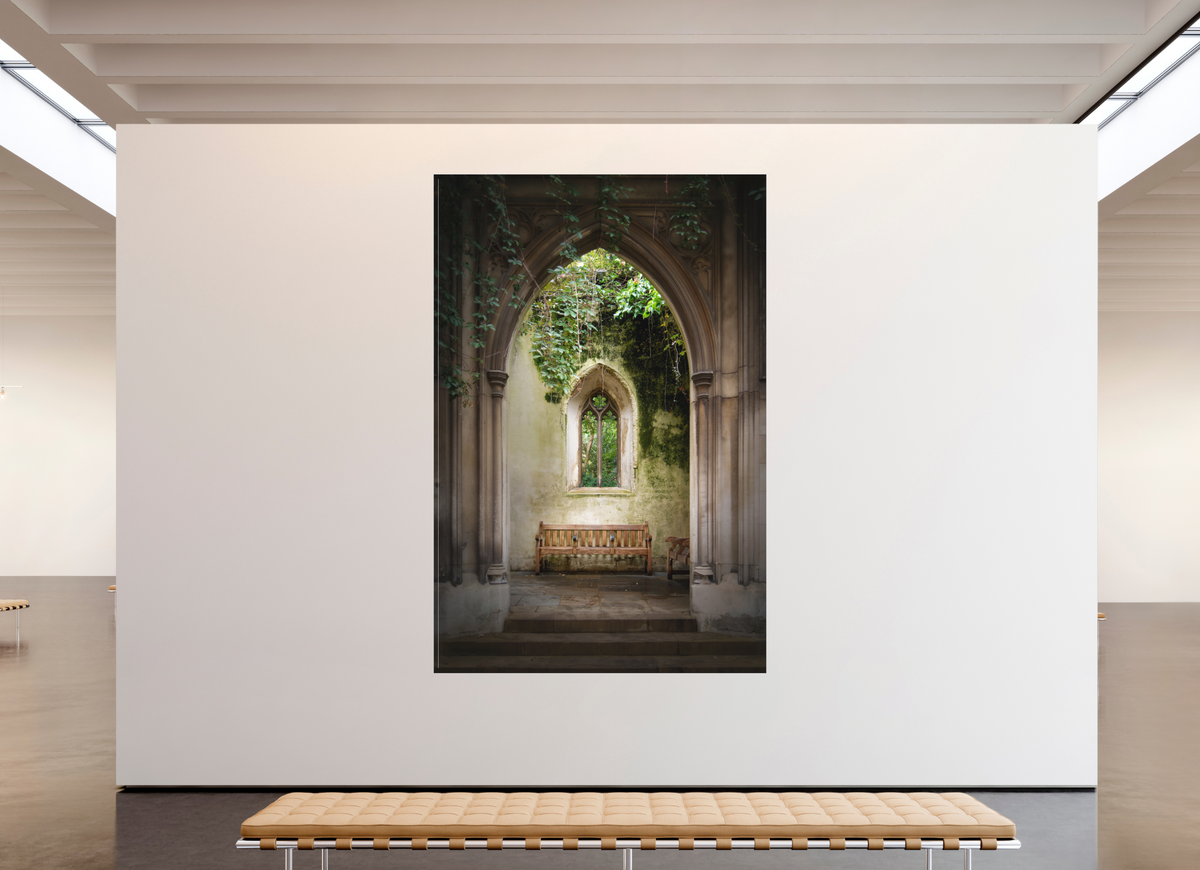
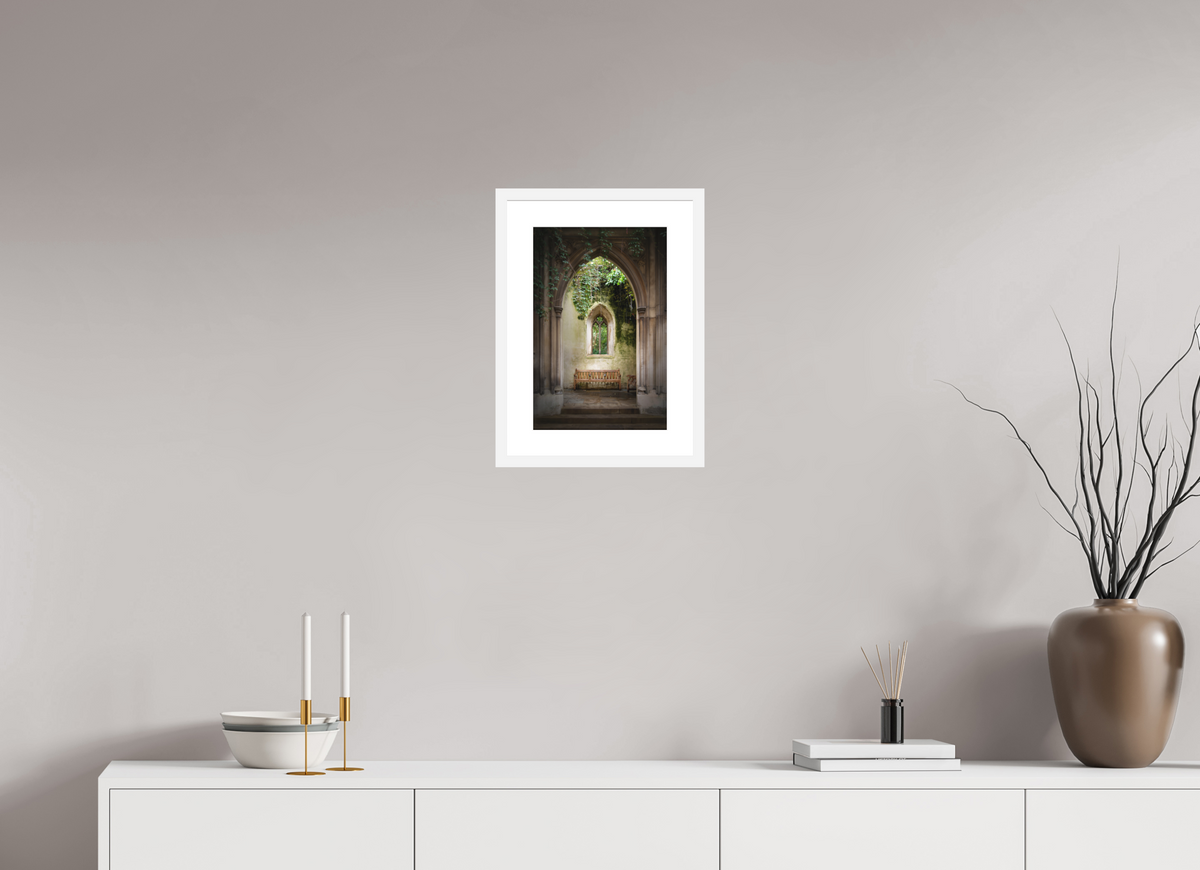


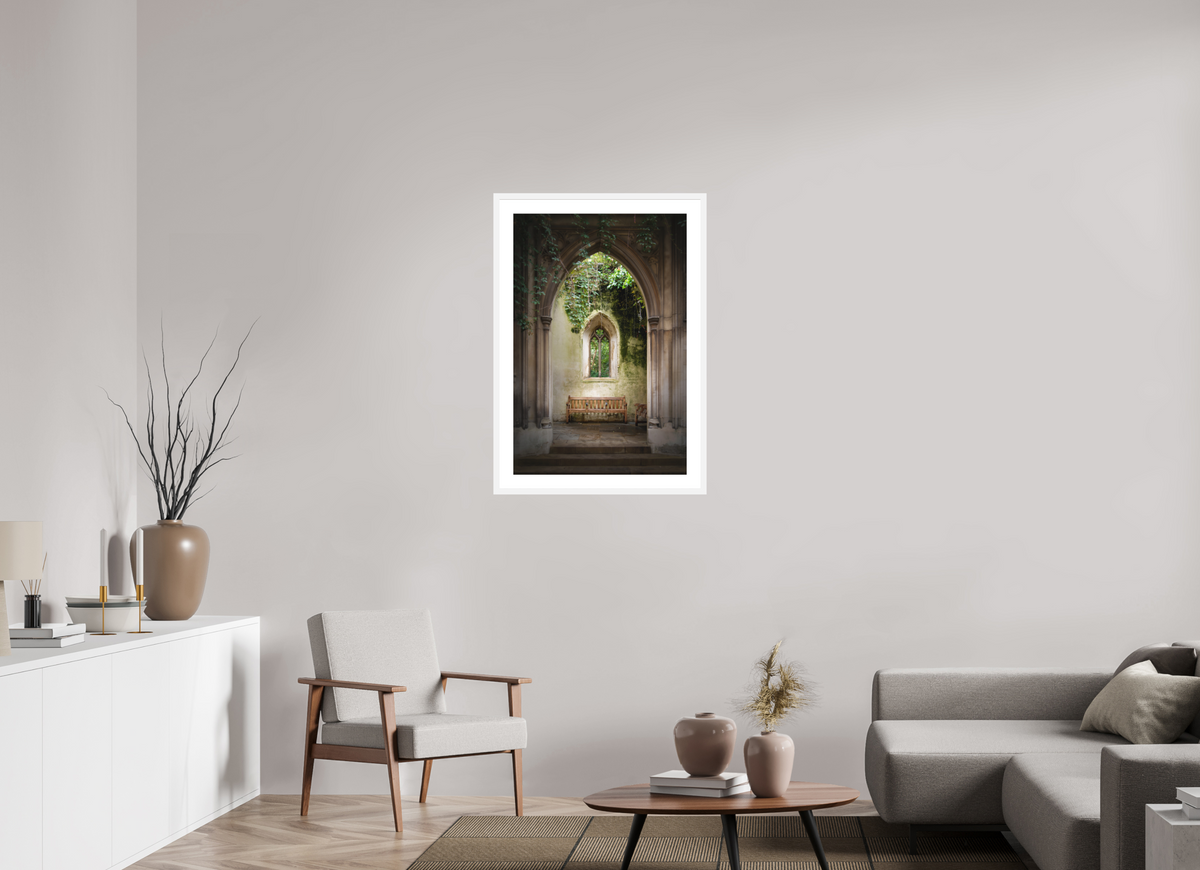
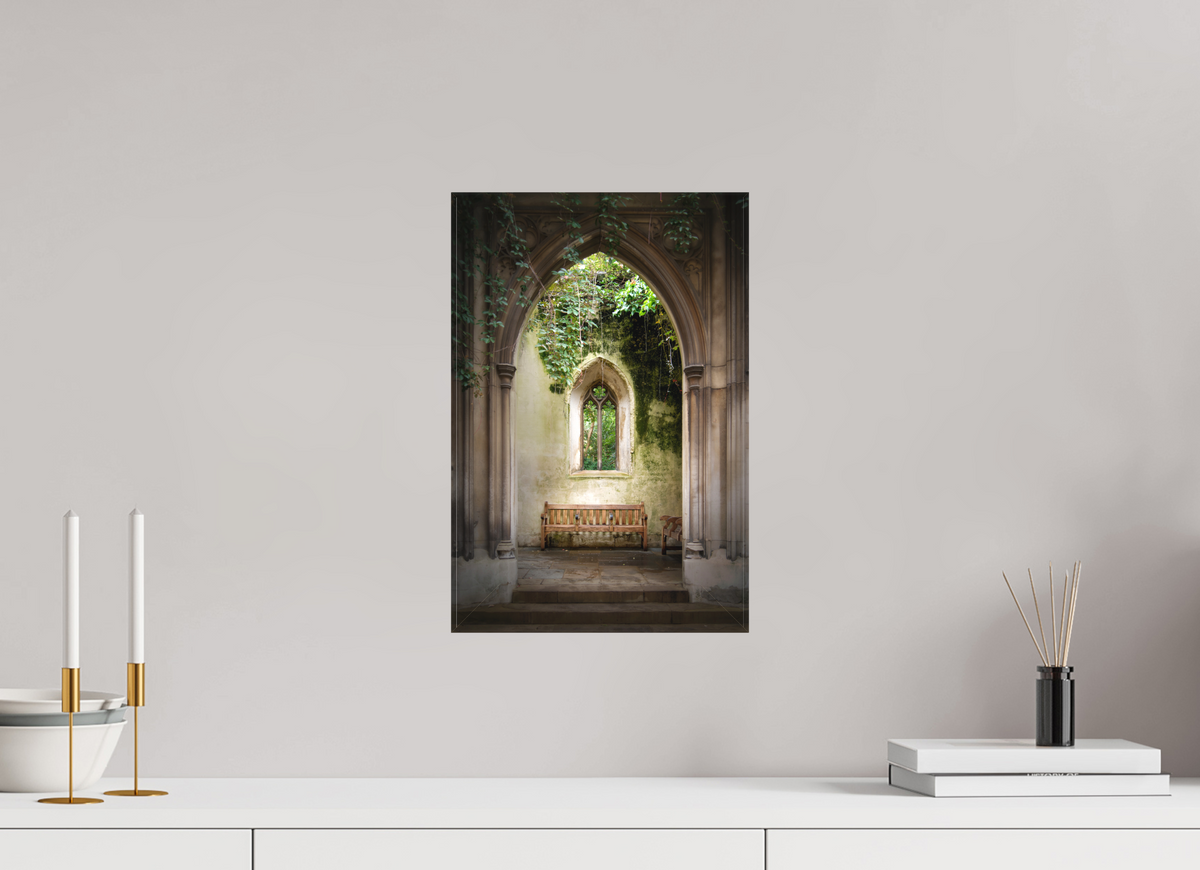

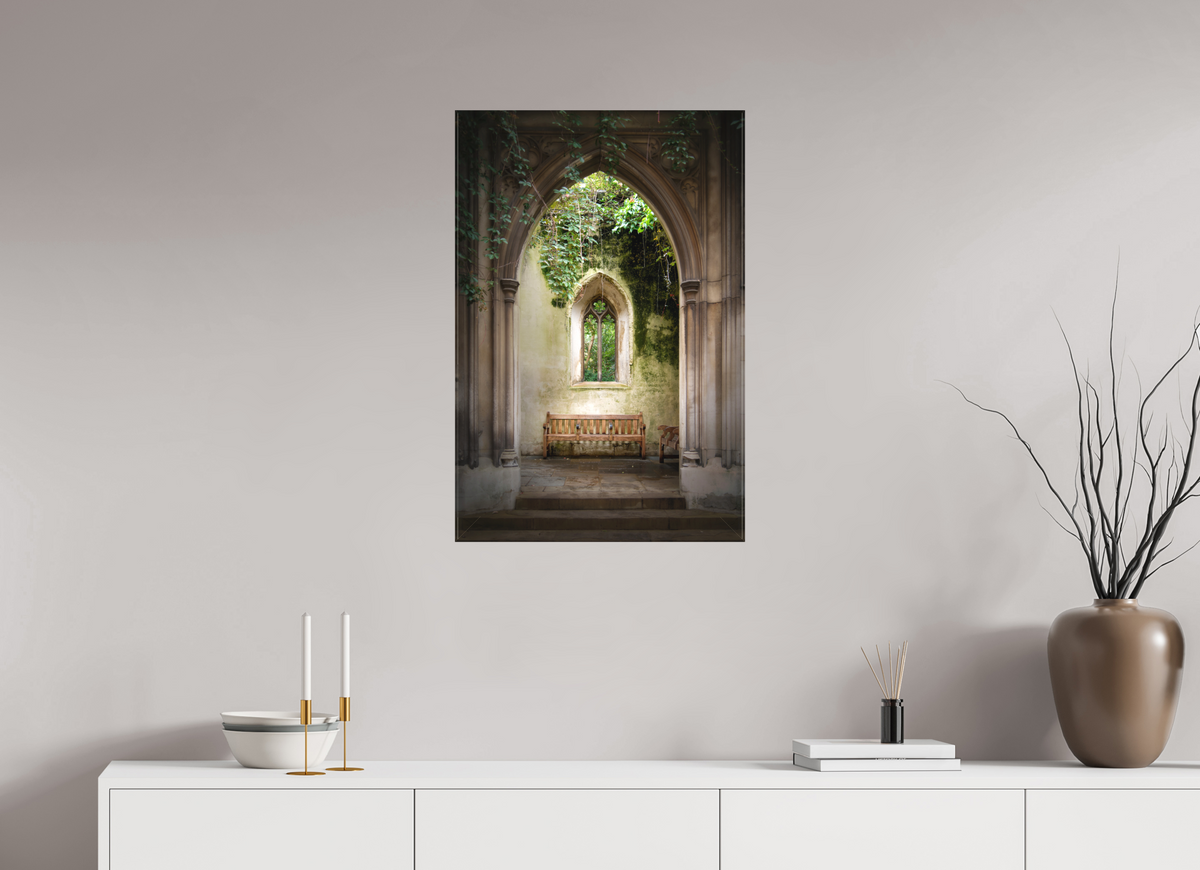
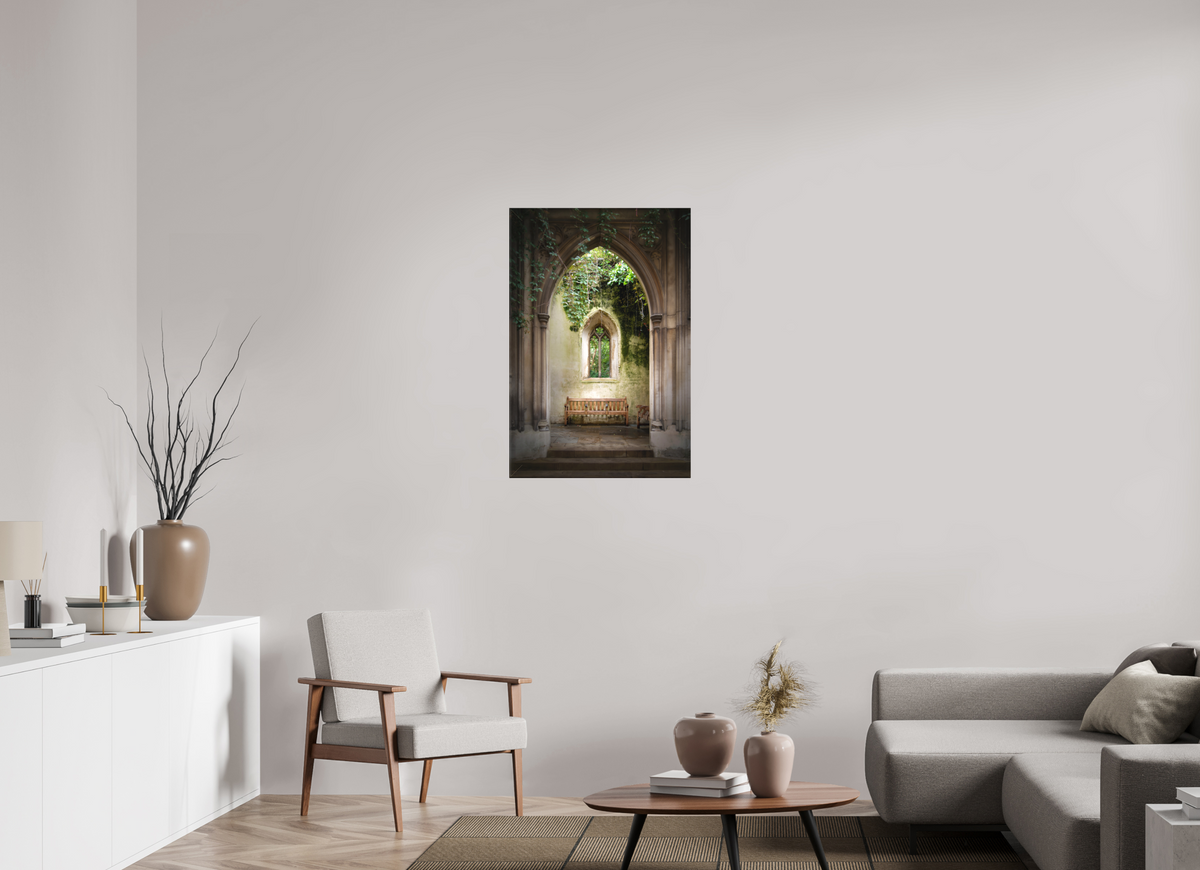
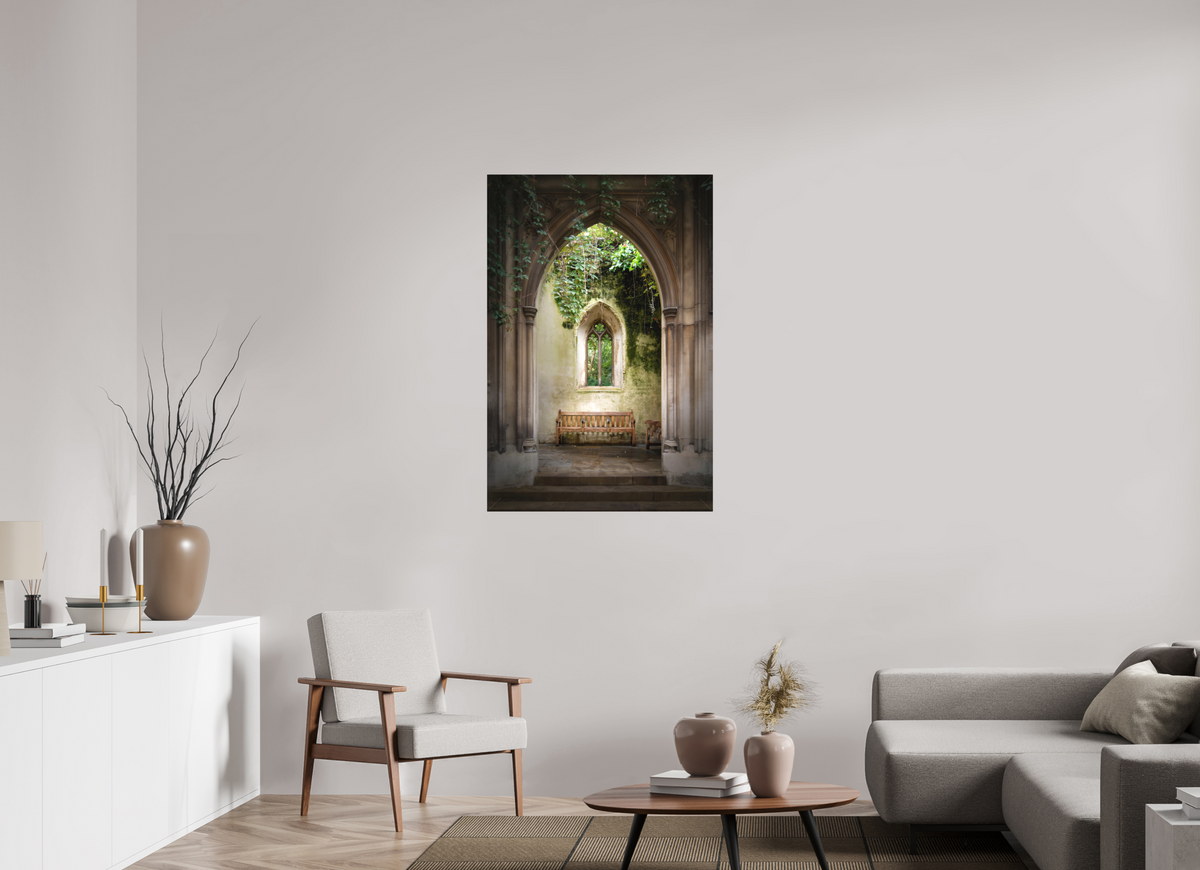
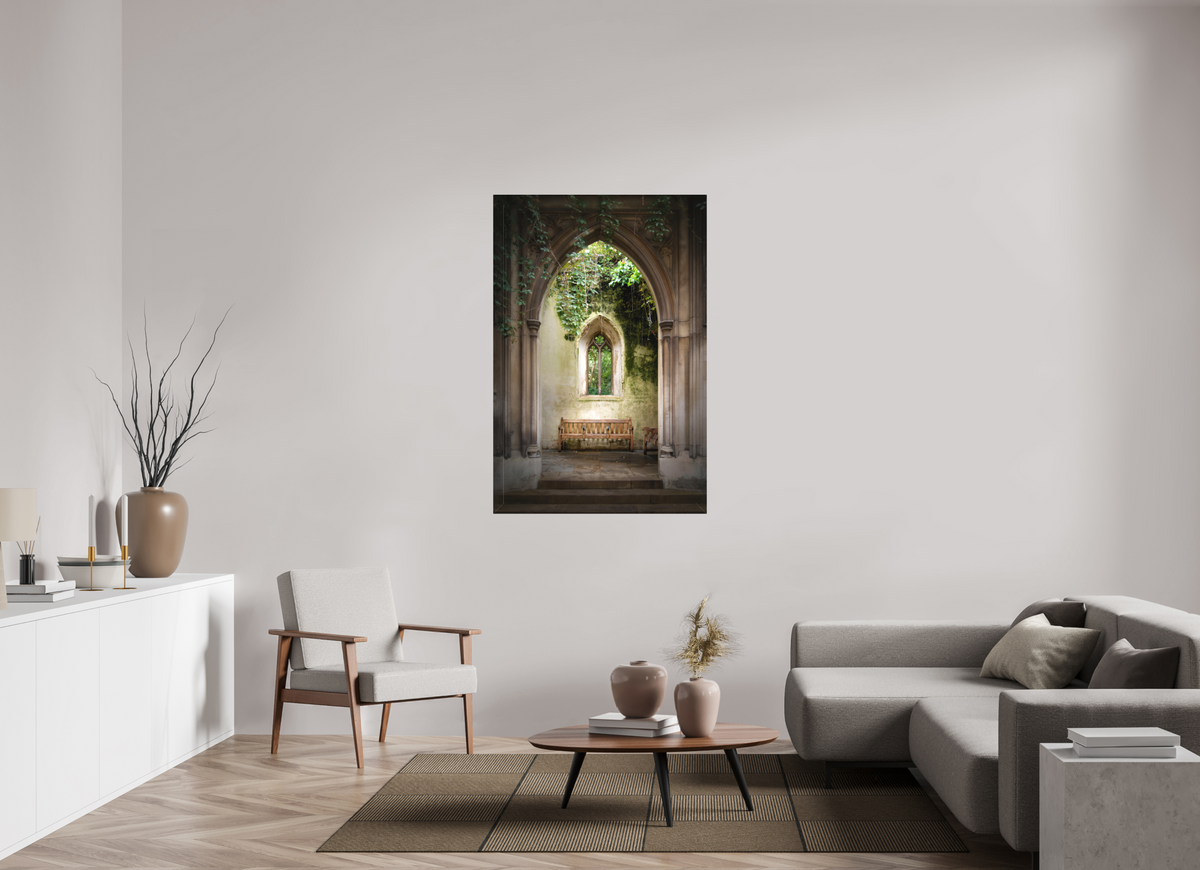
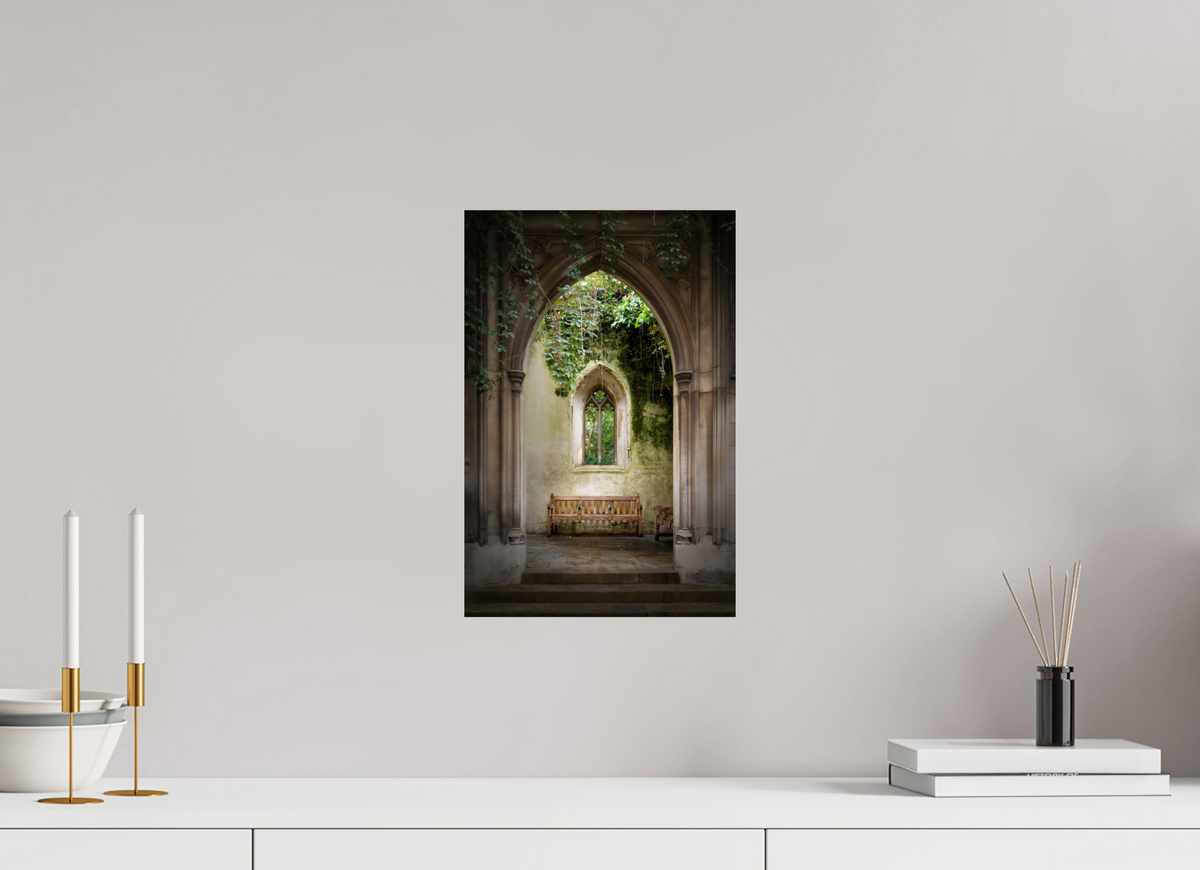

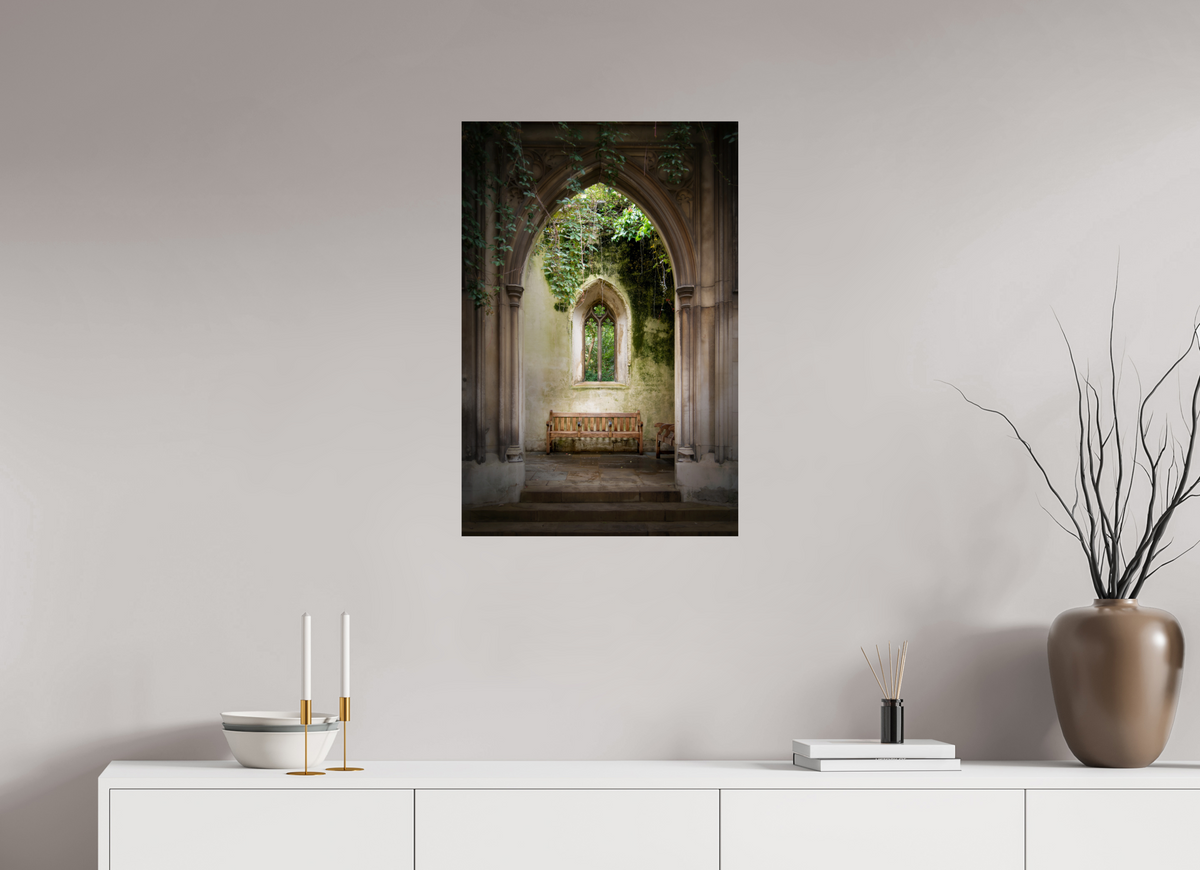
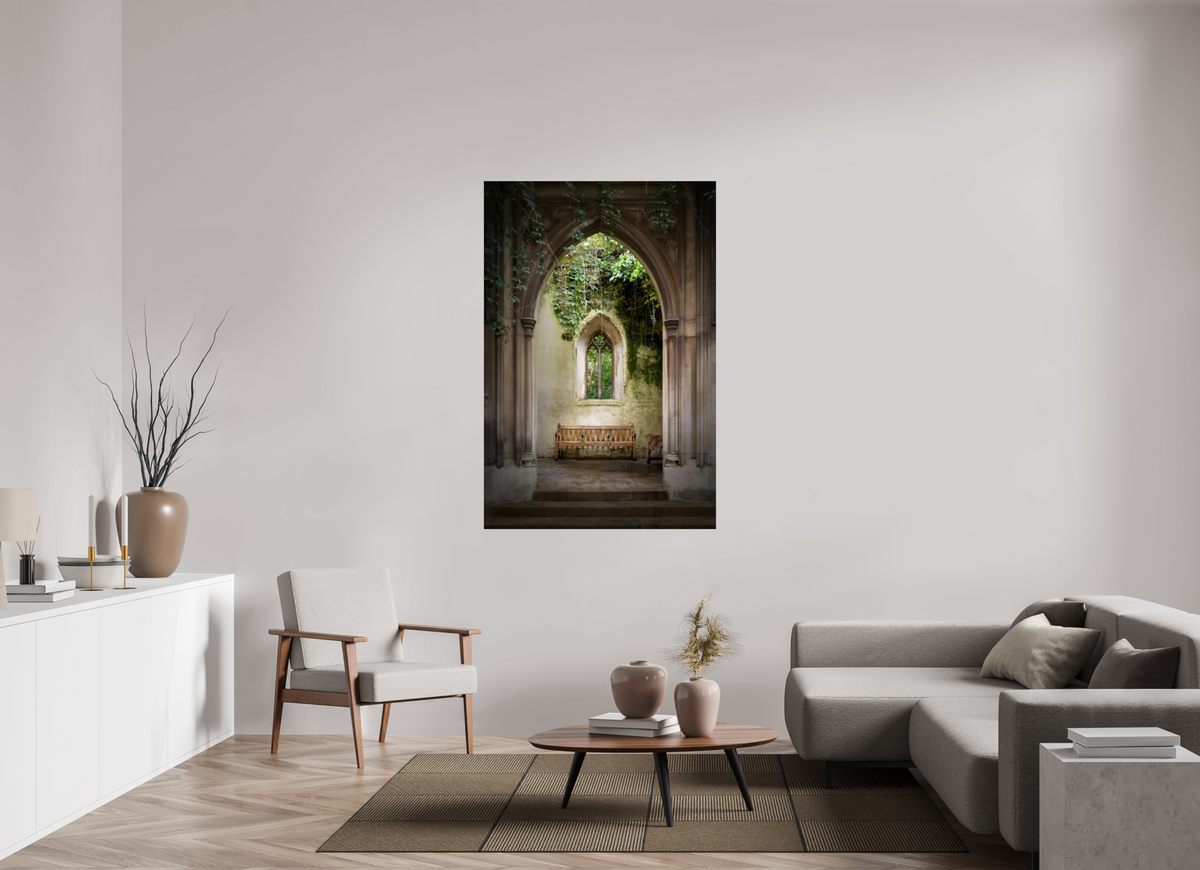
London's St Dunstan-in-the-East
This is such a marvelous place. Maintained in a state of arrested decay, it echoes all the travails it has witnessed and experienced. Per the Wiki:
The church was originally built in about 1100. A new south aisle was added in 1391 and the church was repaired in 1631 at a cost of more than £2,400. It was severely damaged in the Great Fire of London in 1666. Rather than being completely rebuilt, the damaged church was patched up between 1668 and 1671. A steeple was added in 1695–1701 to the designs of Sir Christopher Wren. It was built in a gothic style sympathetic to the main body of the church, though with heavy string courses of a kind not used in the Middle Ages. It has a needle spire carried on four flying buttresses in the manner of that of St Nicholas in Newcastle. The restored church had wooden carvings by Grinling Gibbons and an organ by Father Smith, which was transferred to the abbey at St Albans in 1818.
In 1817 it was found that the weight of the nave roof had thrust the walls seven inches out of the perpendicular. It was decided to rebuild the church from the level of the arches, but the state of the structure proved so bad that the whole building was taken down. It was rebuilt to a design in the perpendicular style by David Laing (then architect to the Board of Customs) with assistance from William Tite. The foundation stone was laid in November 1817 and the church re-opened for worship in January 1821. Built of Portland stone, with a plaster lierne nave vault, it was 115 feet long and 65 feet wide and could accommodate between six and seven hundred people. The cost of the work was £36,000. Wren's tower was retained in the new building.
The church was severely damaged in the Blitz of 1941. Wren's tower and steeple survived the bombs' impact. Of the rest of the church only the north and south walls remained. In the re-organisation of the Anglican Church in London following the War it was decided not to rebuild St Dunstan's, and in 1967 the City of London Corporation decided to turn the ruins of the church into a public garden, which opened in 1971. A lawn and trees were planted in the ruins, with a low fountain in the middle of the nave. The tower now houses the All Hallows House Foundation.
The parish is now combined with the Benefice of All Hallows by the Tower and occasional open-air services are held in the church, such as on Palm Sunday prior to a procession to All Hallows by the Tower along St Dunstan's Hill and Great Tower Street. The ruin was designated a Grade I listed building on 4 January 1950.
Sony A7CR Tamron 28-200mm
Richiedi un preventivo personalizzato
Ti interessa quest'opera in un supporto o formato diverso? Contattaci per un preventivo personalizzato.
Cofanetto regalo in blocco acrilico
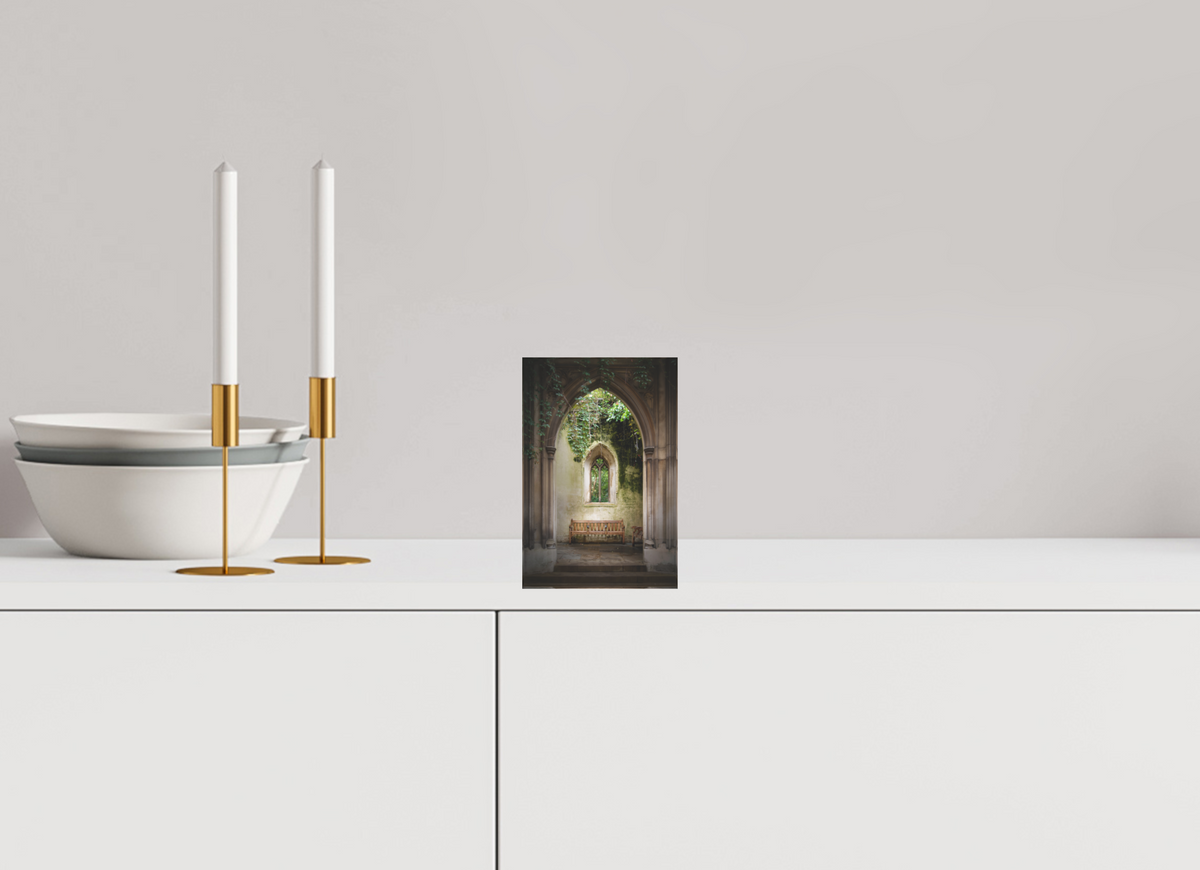
Un piccolo espositore — solitamente di 10x15 o 20x20 centimetri. Il metodo di Whitewall è ciò che rende questa offerta preziosa: l'immagine viene prima stampata su carta d'archivio e poi incollata all'acrilico. Molti concorrenti stampano direttamente sull'acrilico, compromettendo la riproduzione dei colori e la longevità. La nostra versione mantiene la brillantezza e la qualità dimensionale di una presentazione acrilica completa, con dimensioni e prezzi che la rendono perfetta per un regalo o per un piccolo spazio dedicato. Spedita in una scatola regalo. Disponibile per immagini con rapporti d'aspetto nativi di 1:1, 3:2 o 4:3; per panorami più ampi o ritagli insoliti, consultare gli altri formati o richiedere un preventivo personalizzato.
Fine Art sotto acrilico
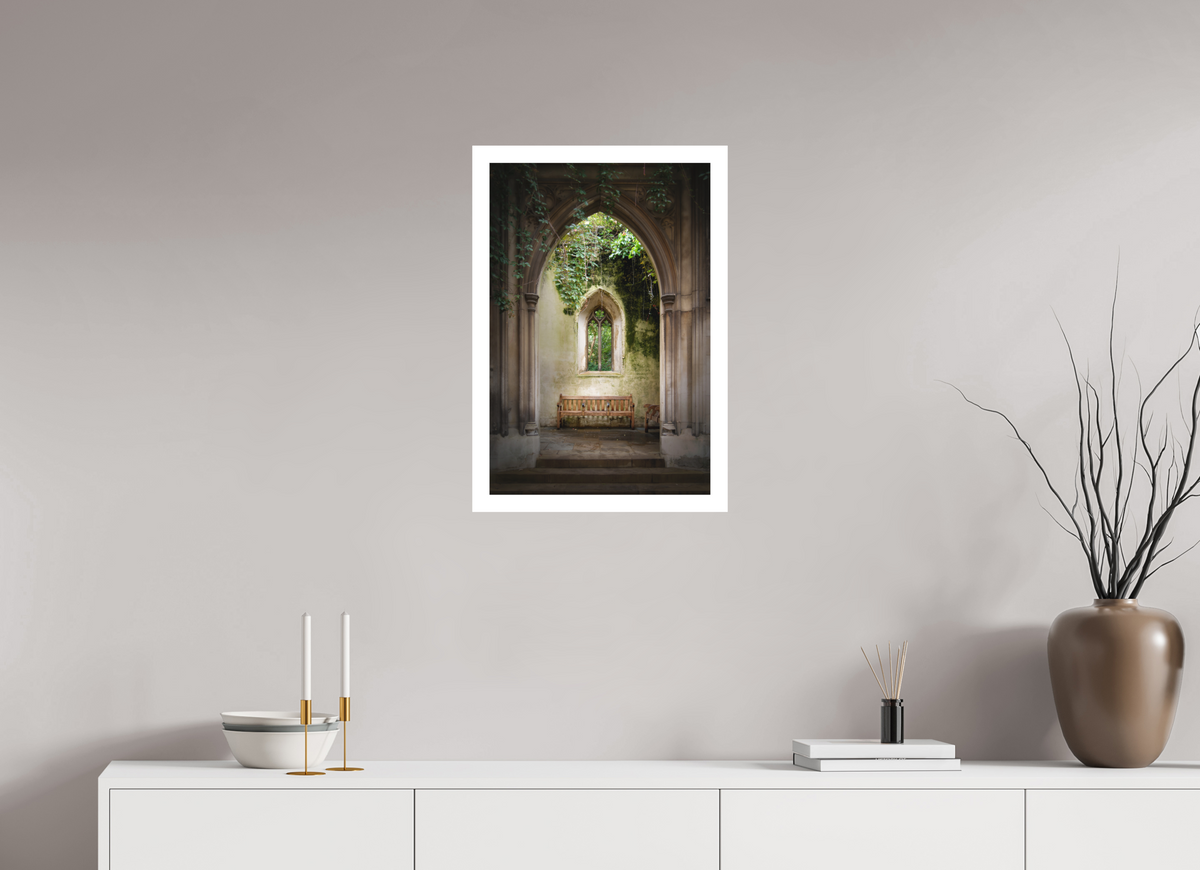
Stampa a getto d'inchiostro a pigmenti su carta Hahnemühle fine art, laminata dietro vetro acrilico lucido su un supporto Alu-Dibond, in una cornice sottile spazzolata color argento. Il processo a getto d'inchiostro a pigmenti offre lo spettro di colori più ampio e la più fine gradazione tonale di tutti i supporti che offriamo, e la carta è conservabile per generazioni. Questa è la nostra presentazione predefinita per gallerie.
Passe-Partout, bianco o nero
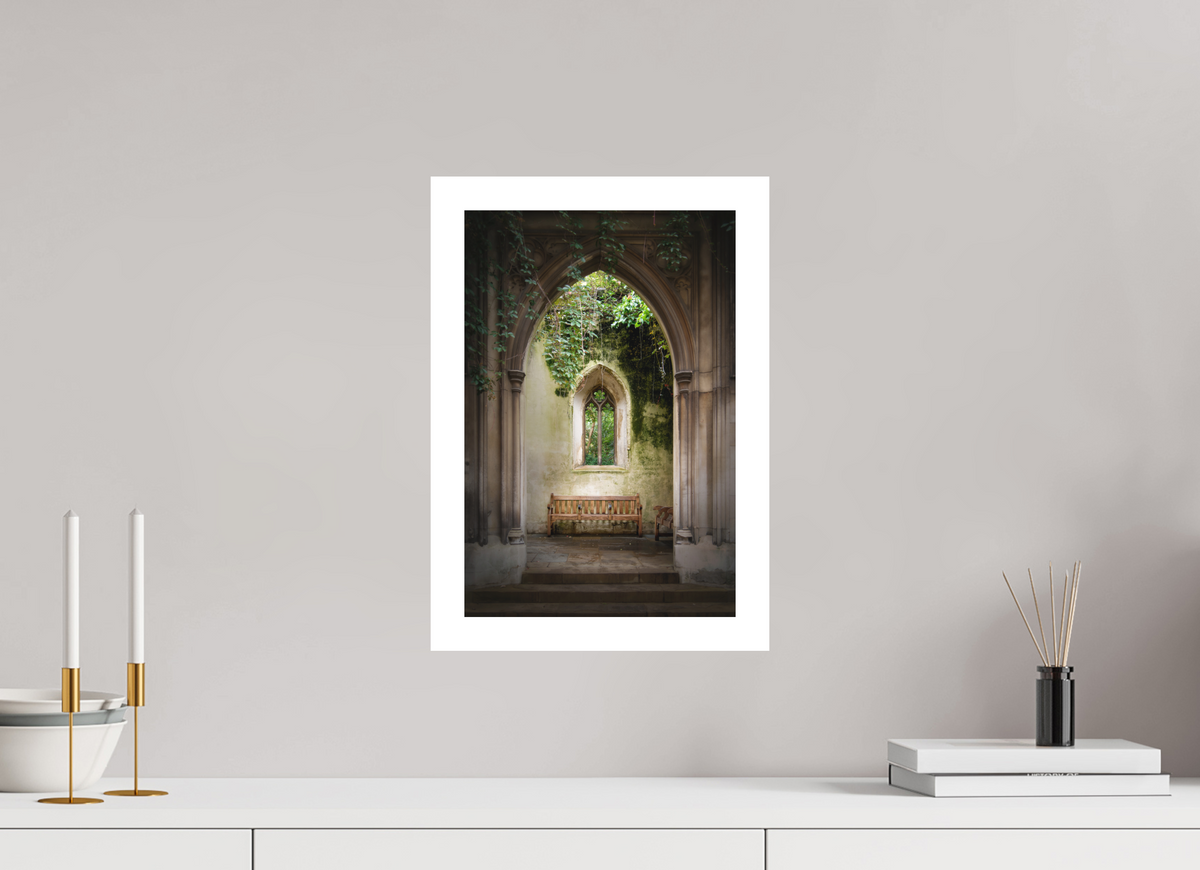
Carta baritata — la carta argentata che la stampa fine art in bianco e nero utilizza da ottant'anni — montata in una cornice passe-partout a doppio passepartout dietro vetro museale. Disponibile con cornice nera o bianca; il trattamento della carta e del passepartout sono identici, cambia solo il colore della cornice. Le cornici nere risultano più contemporanee e architettoniche; le cornici bianche risultano più tradizionali e silenziose da galleria. Disponibile per qualsiasi immagine, sebbene il trattamento risulti più naturale sulle opere monocromatiche.
Tessuto su telaio
Una stampa pigmentata su tessuto, avvolta su un telaio di legno con trattamento a bordo specchio sui lati. Diversa dalla tela standard: la superficie è più fine, la stampa mantiene meglio i dettagli, la presentazione è più sofisticata. Leggera rispetto all'acrilico o alla carta sotto acrilico, più facile da appendere e il prezzo rimane accessibile pur mantenendo un'aria di serietà. Ideale per dimensioni più grandi e ambienti in cui il peso ridotto e la riflessione sono importanti.
Giclée su Alu-Dibond
Una stampa fine art giclée su carta Hahnemühle FineArt Pearl, montata su supporto Alu-Dibond, senza vetro, senza cornice. La texture della carta è visibile; non ci sono riflessi; la stampa stessa è ciò che il fruitore vede. Questo è ciò che espone una mostra in galleria curata. Ideale per gli spettatori che desiderano che la stampa parli senza alcuna superficie tra essa e loro.
Non trovi quello che cerchi?
Se hai in mente un supporto, una dimensione o una presentazione specifici che non sono elencati qui, ti preghiamo di richiedere un preventivo personalizzato — possiamo lavorare direttamente con il catalogo completo di Whitewall per realizzare un pezzo secondo le tue specifiche.
Scegli le opzioni