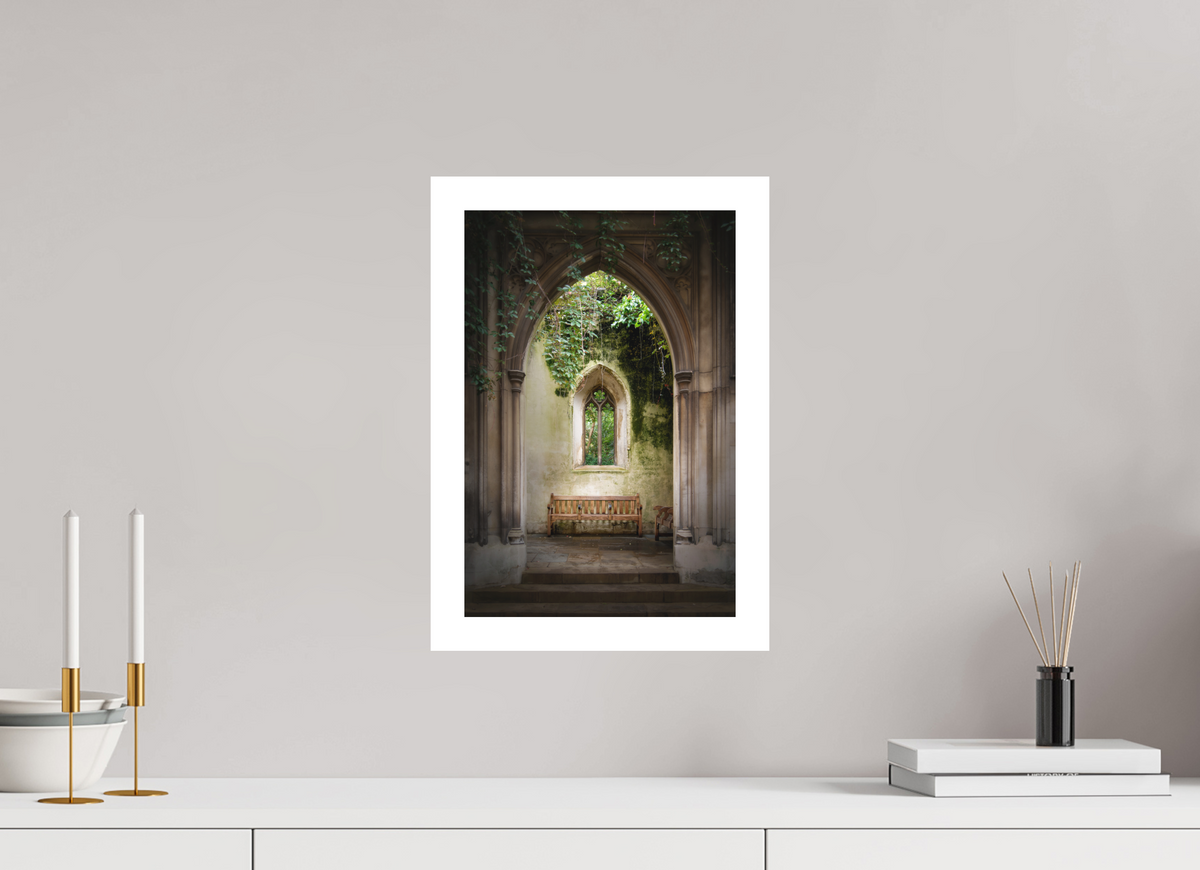
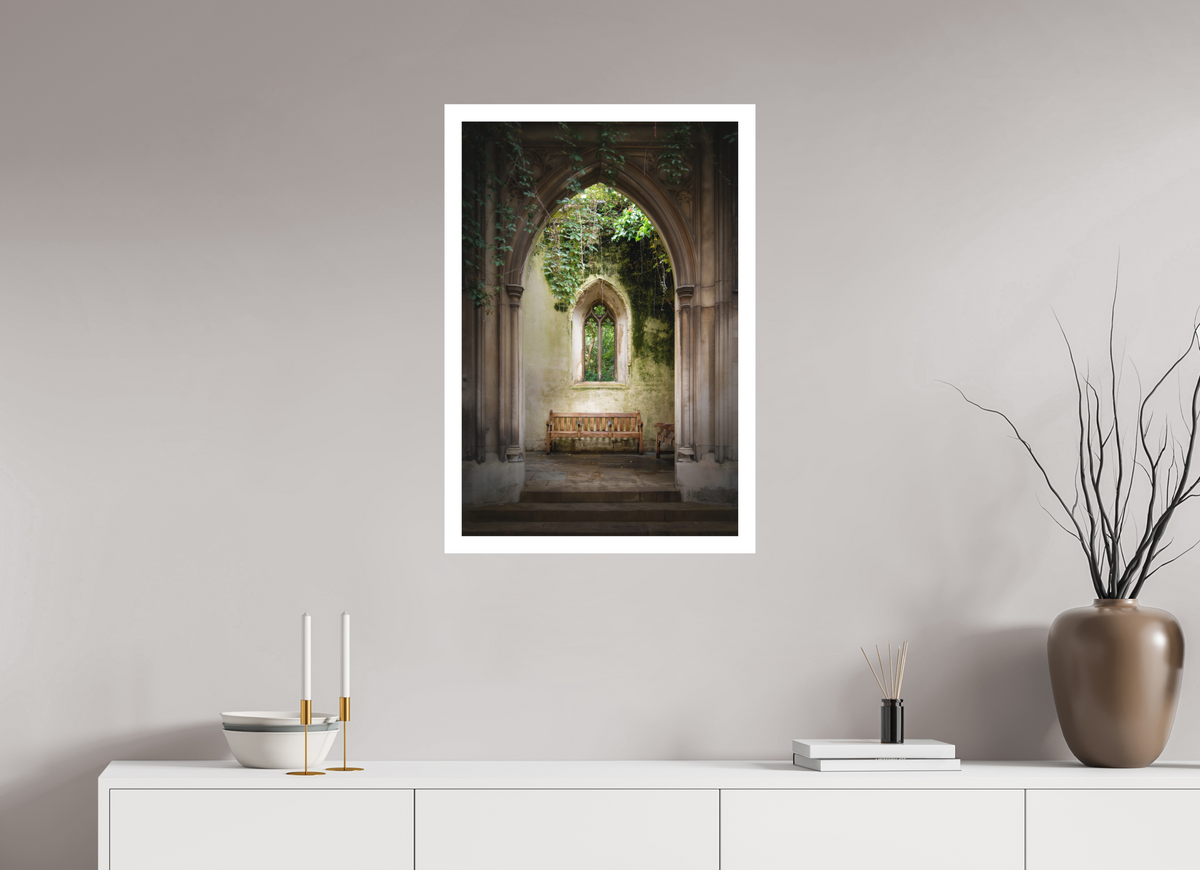

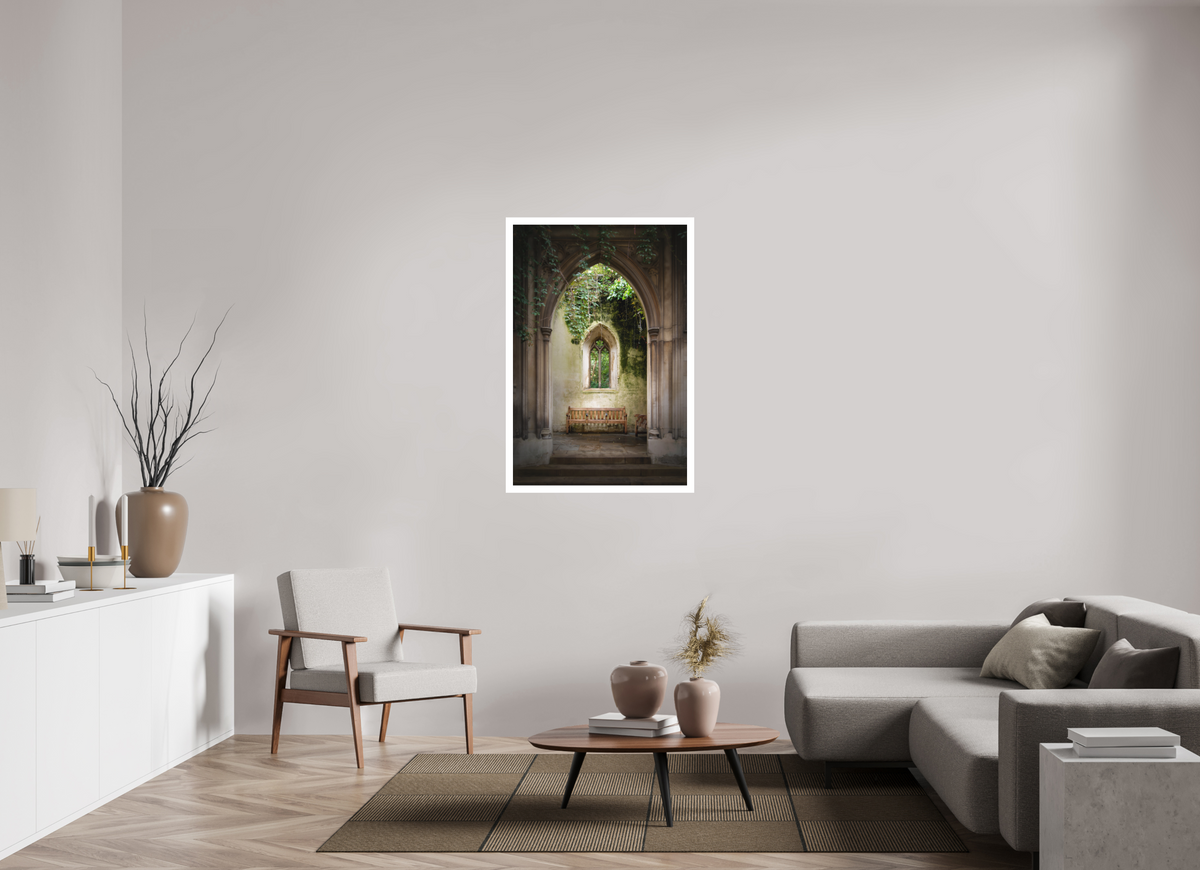
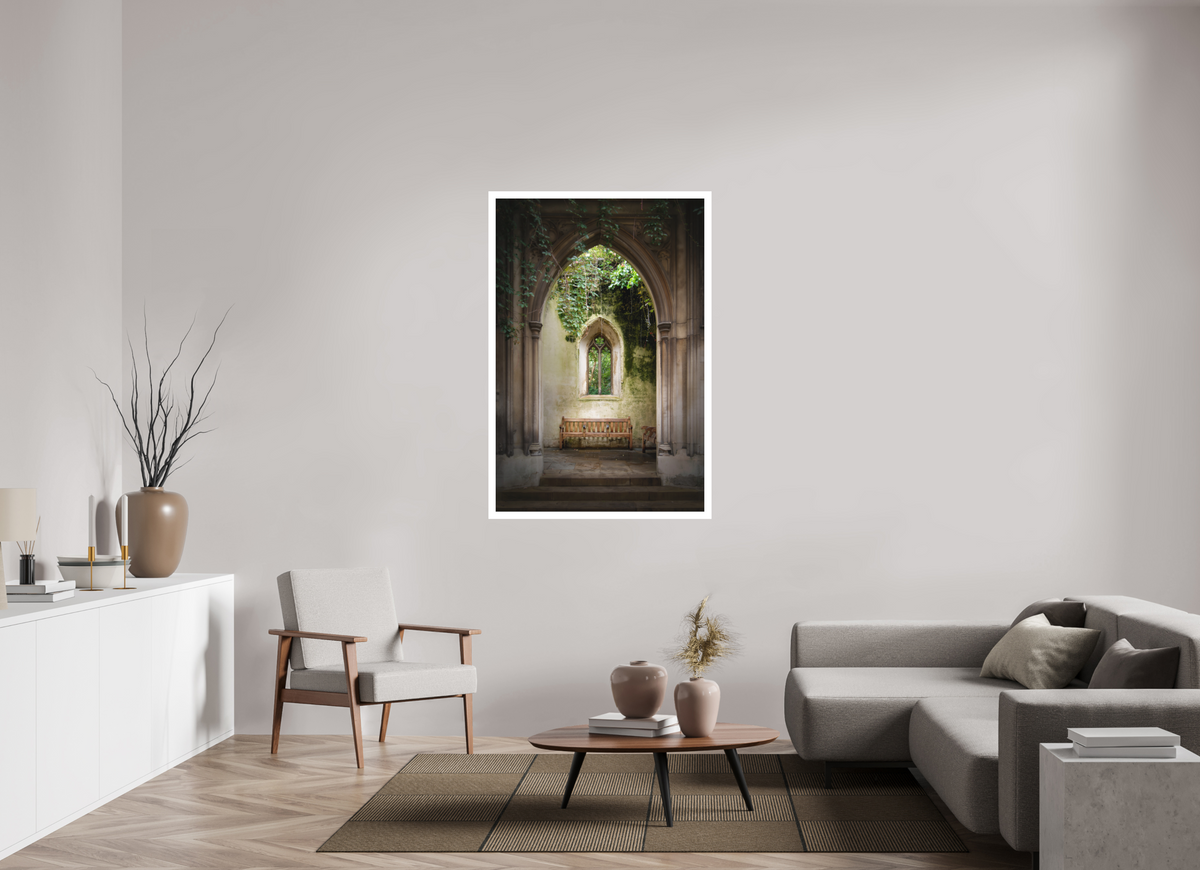

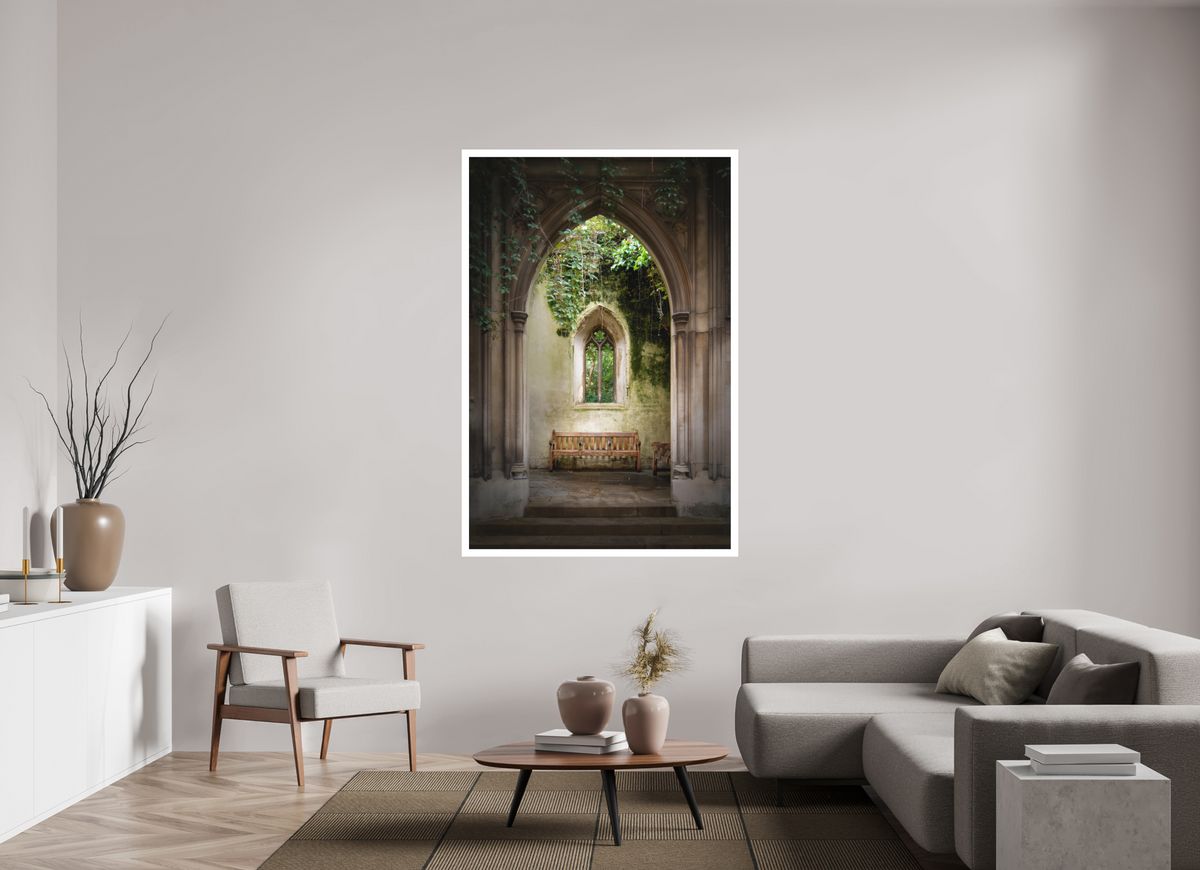


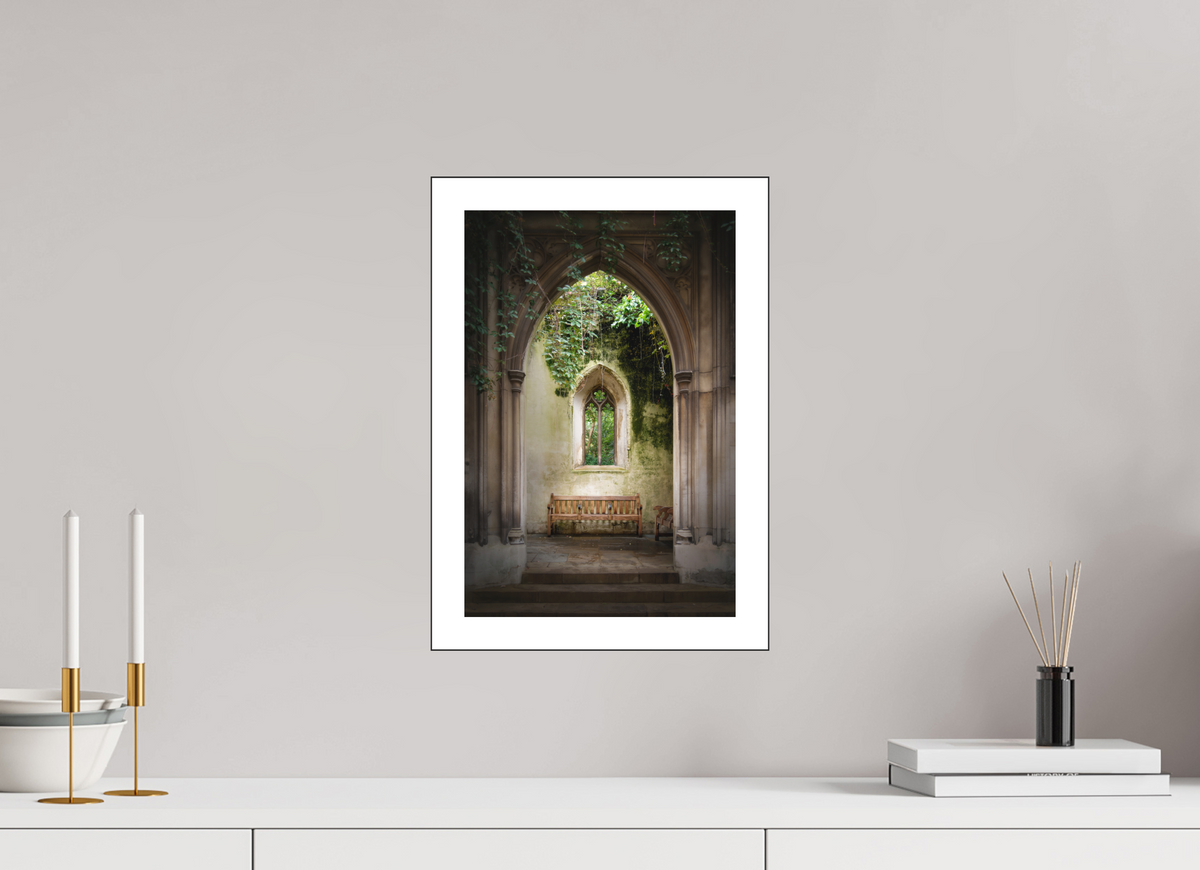
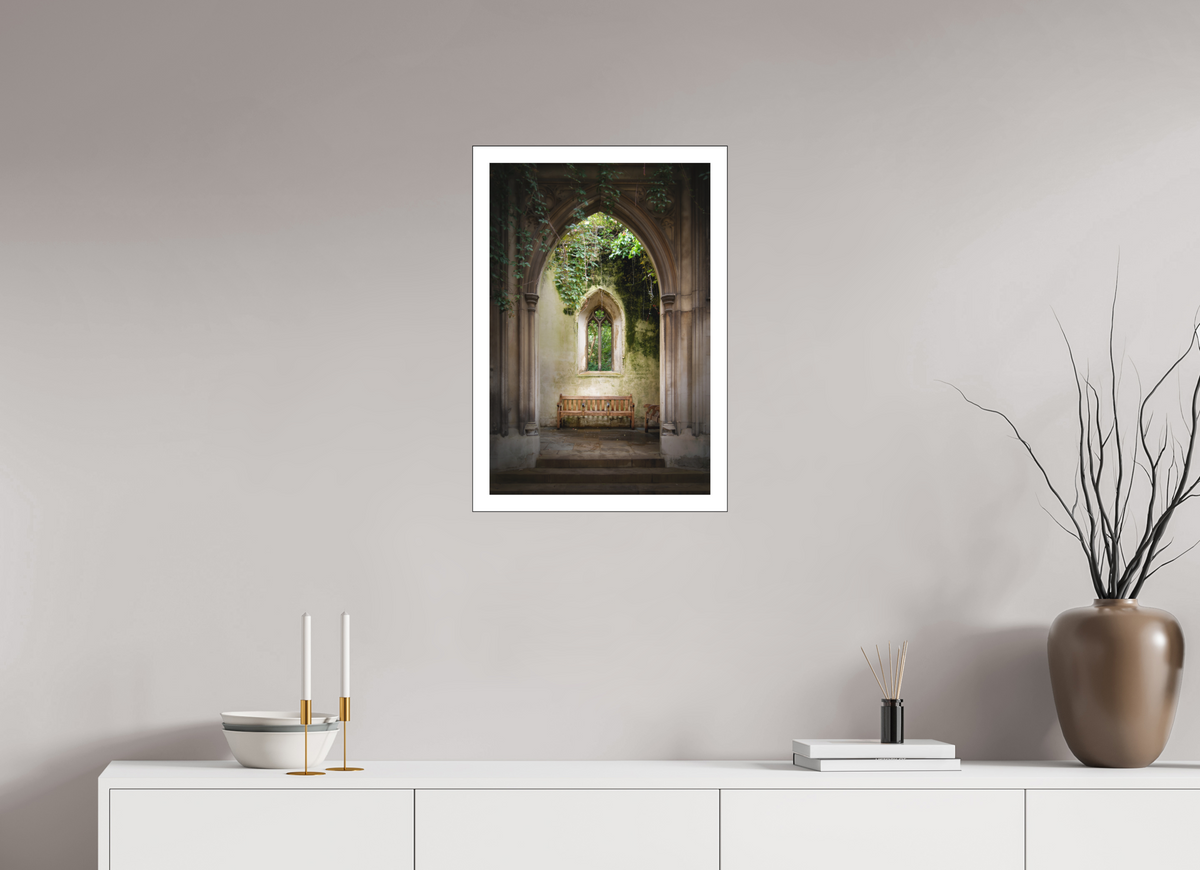
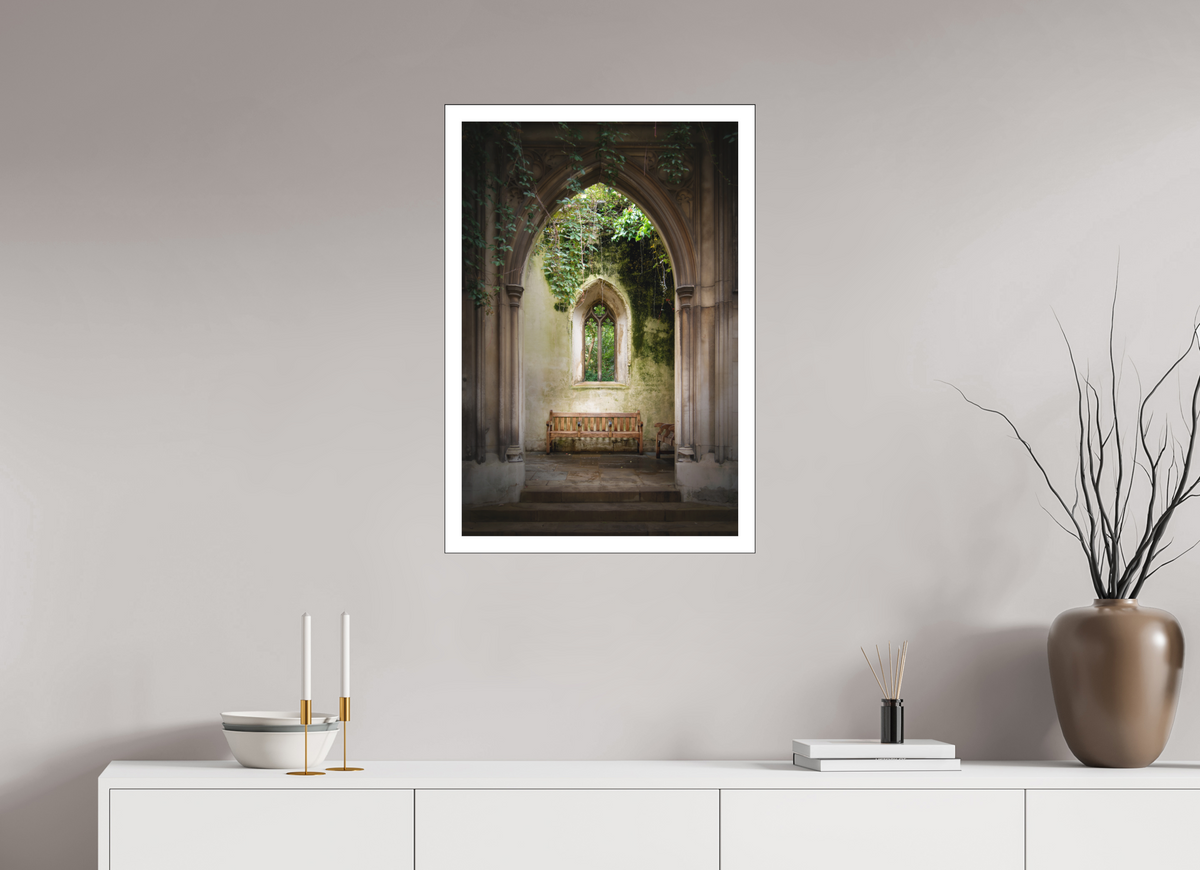
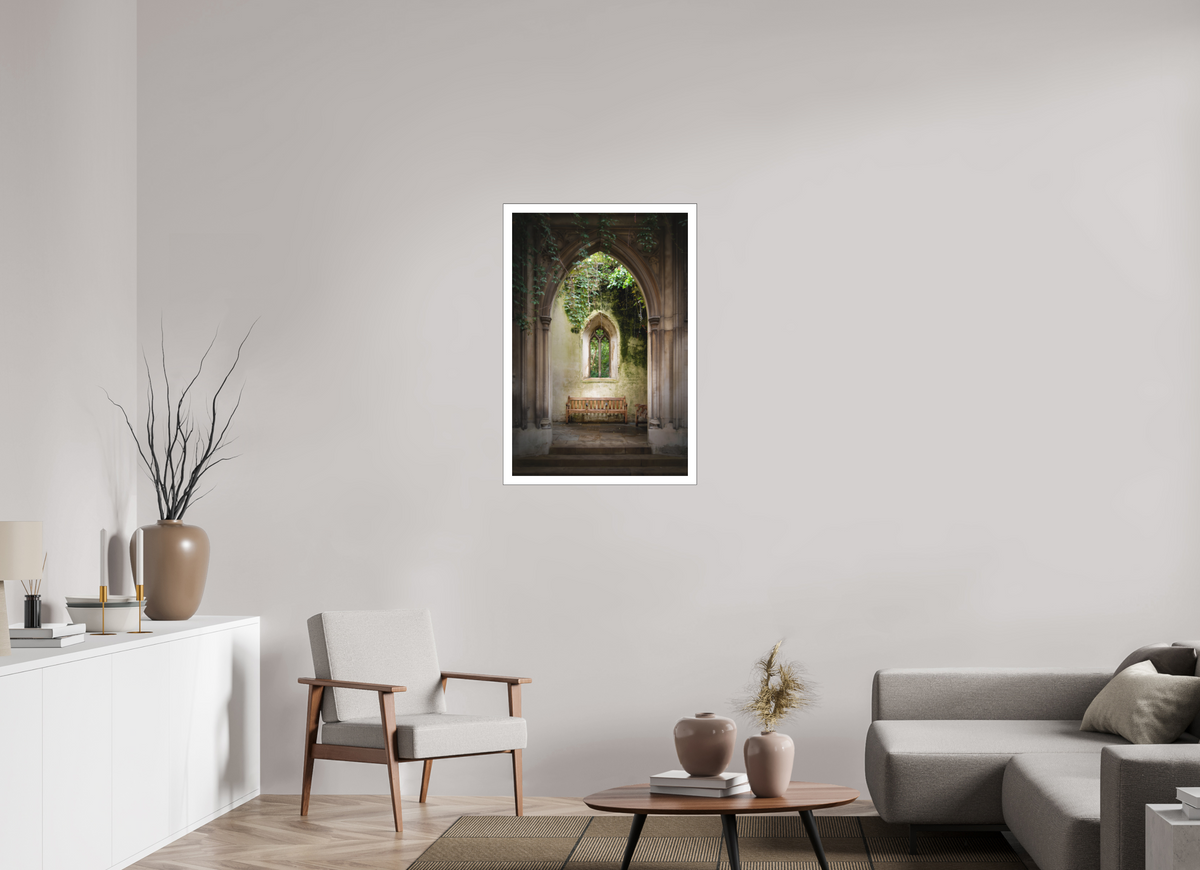

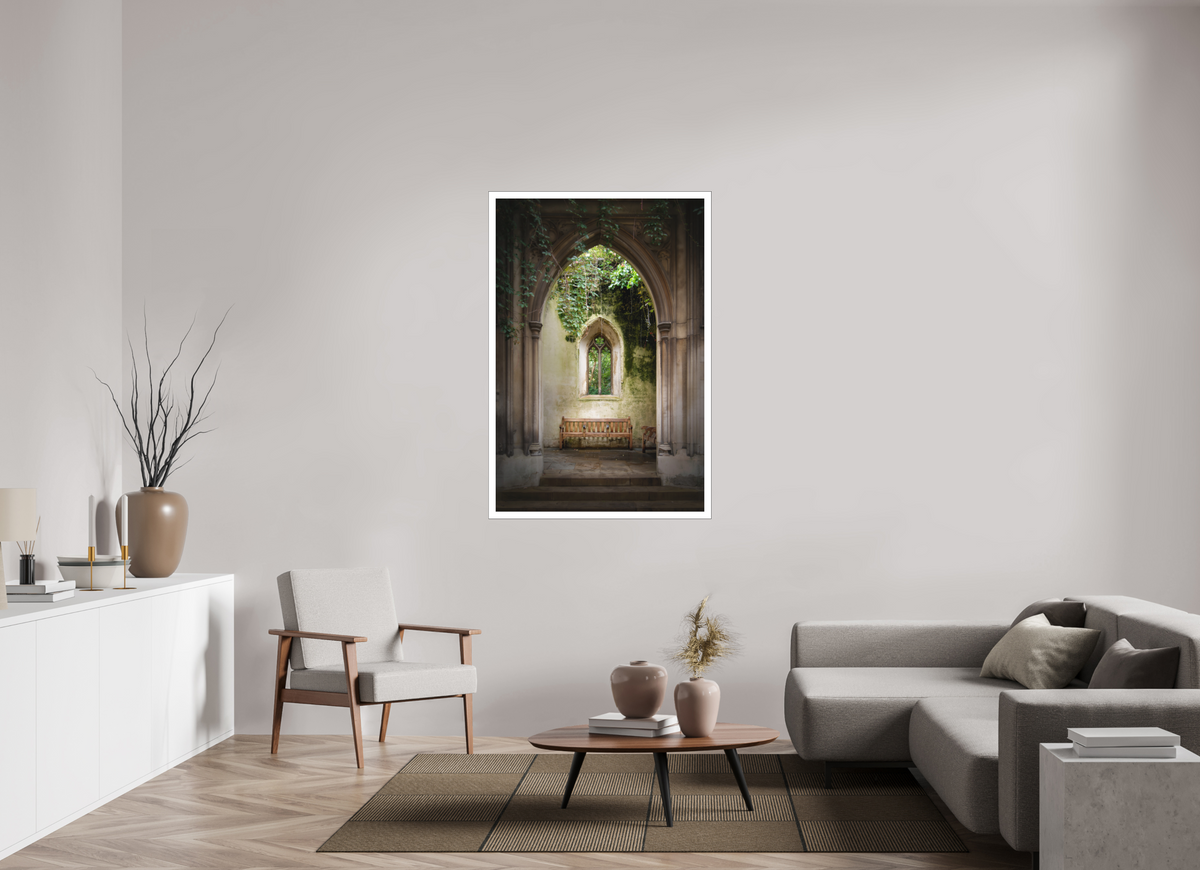

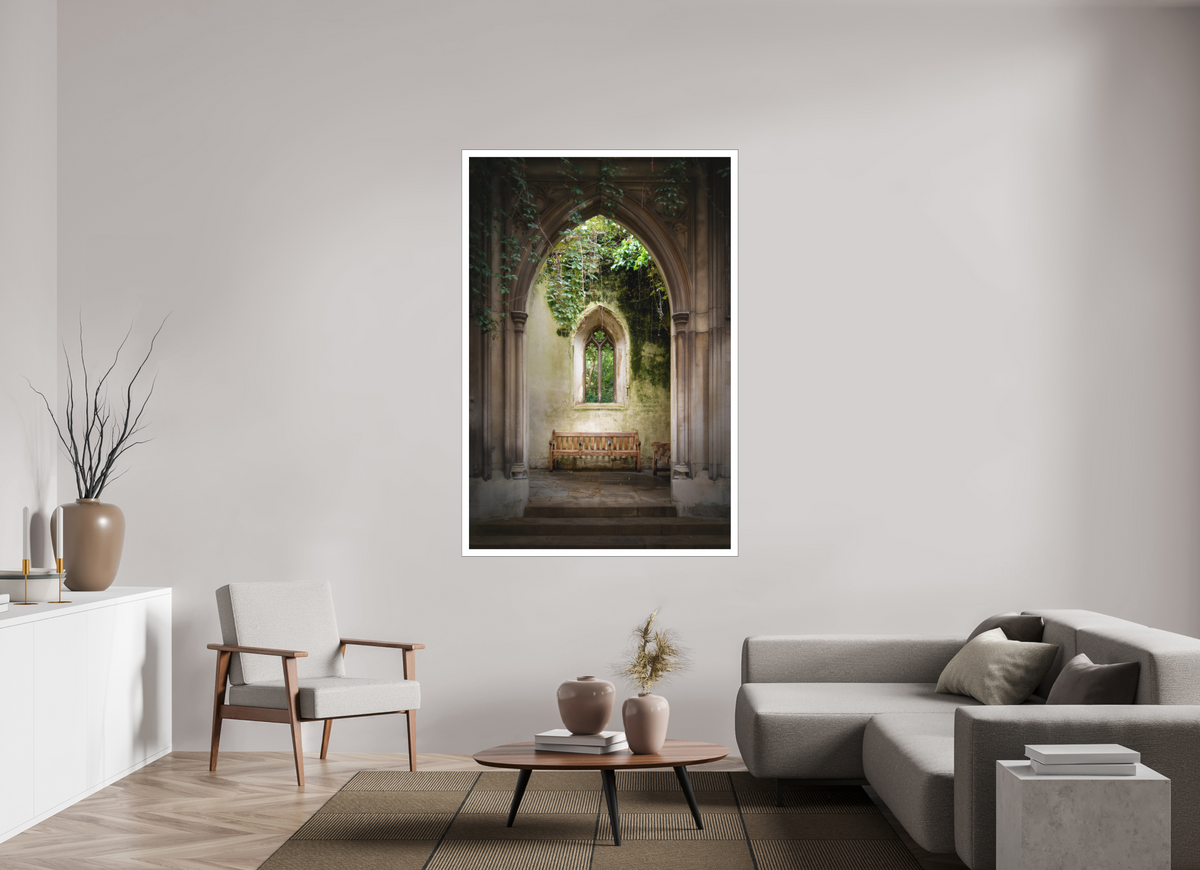
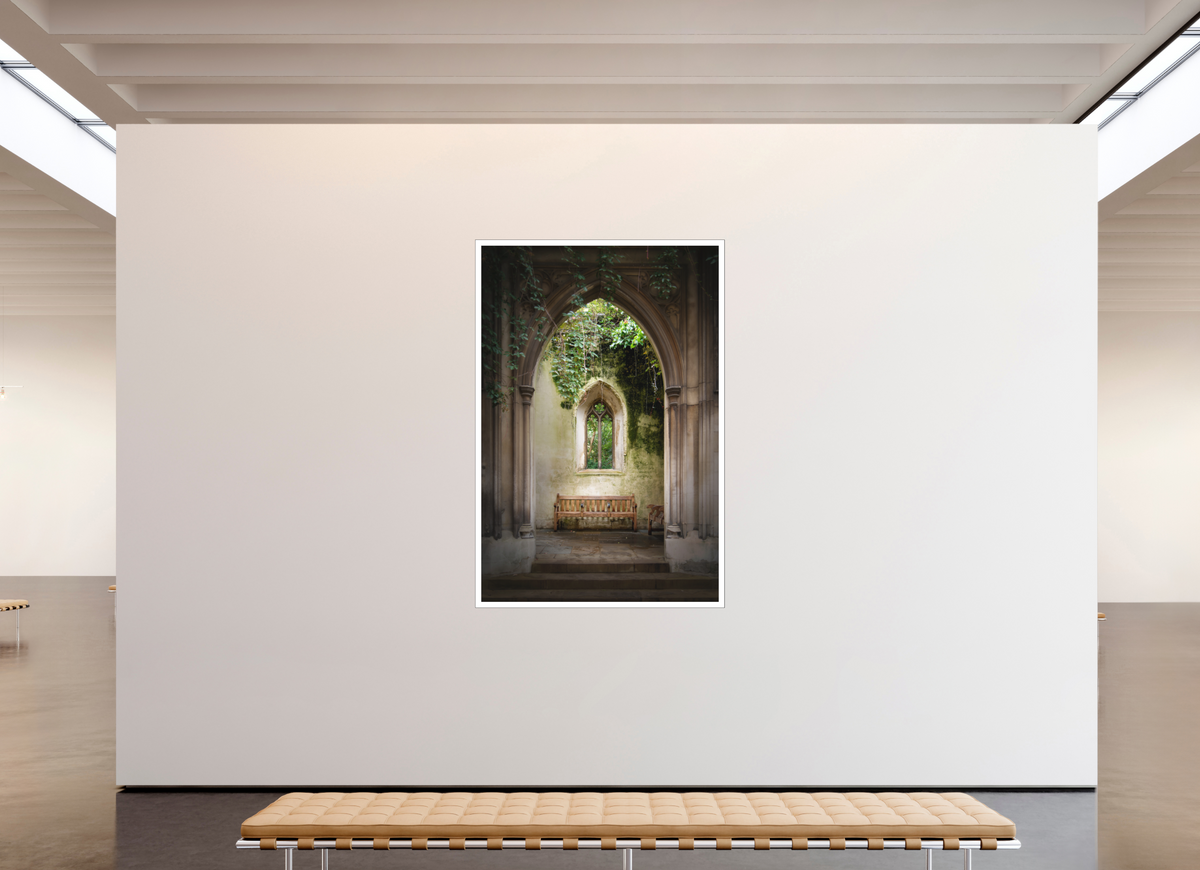
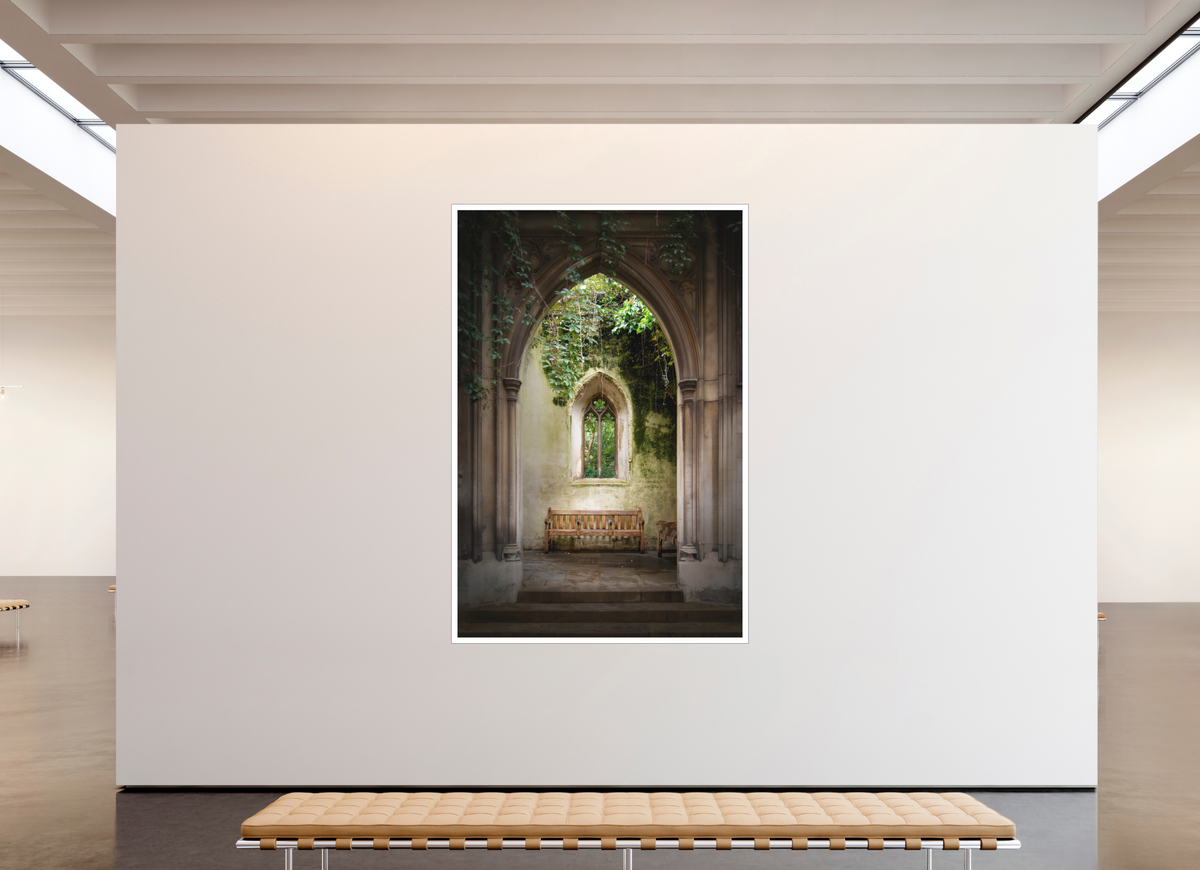
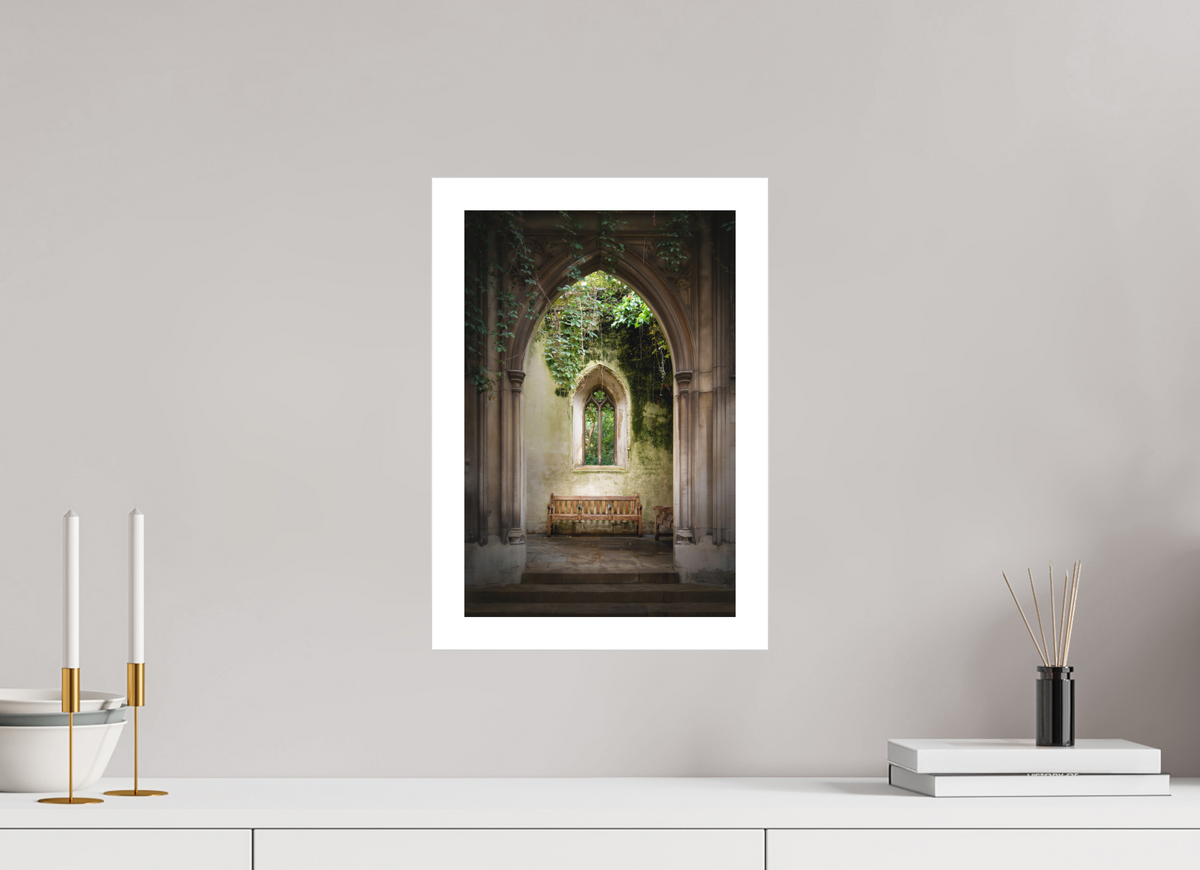

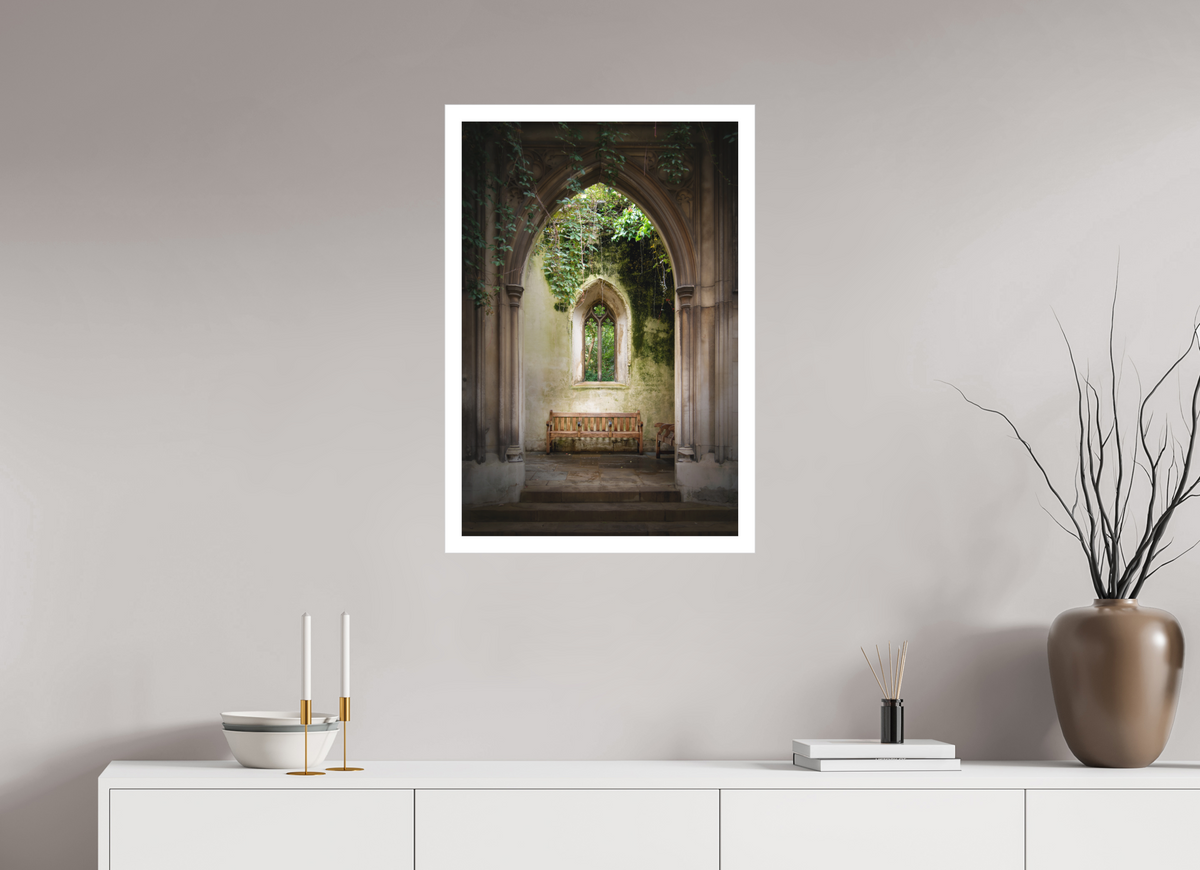


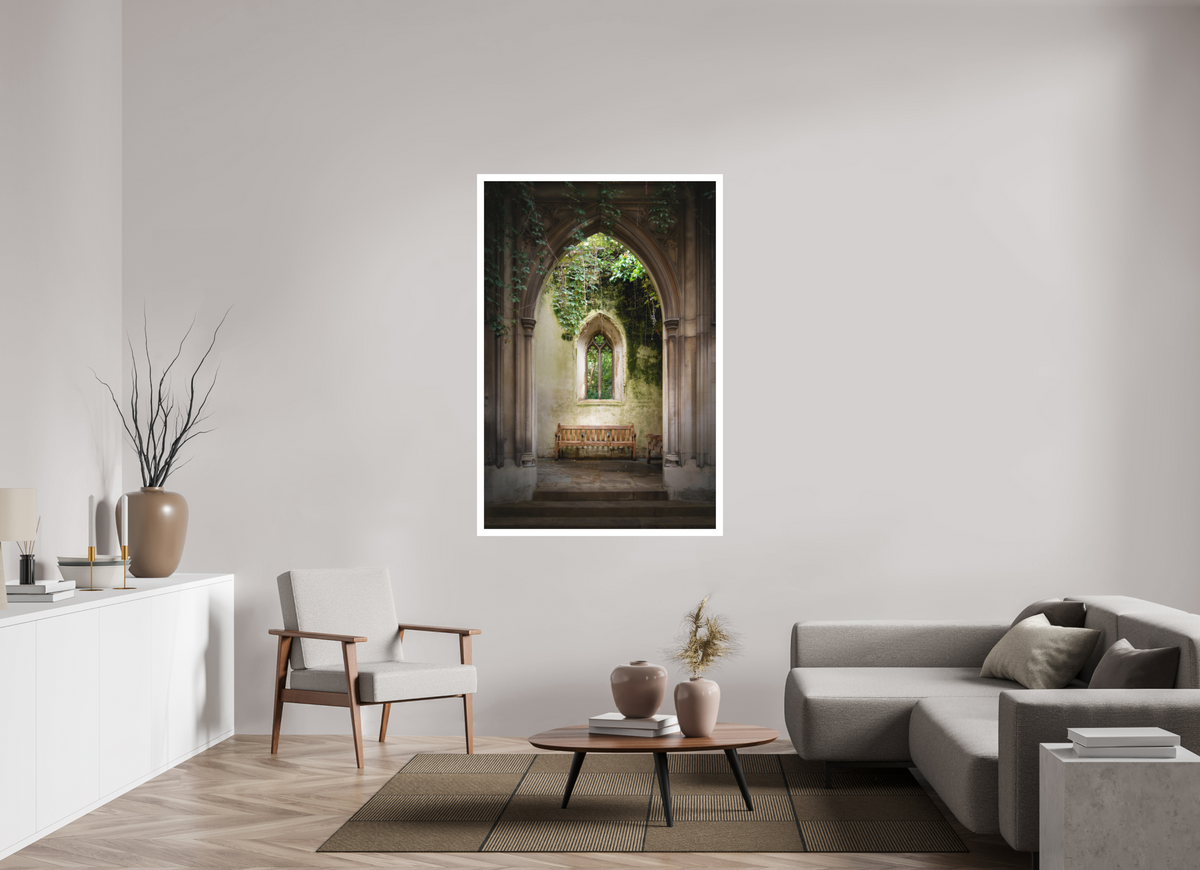
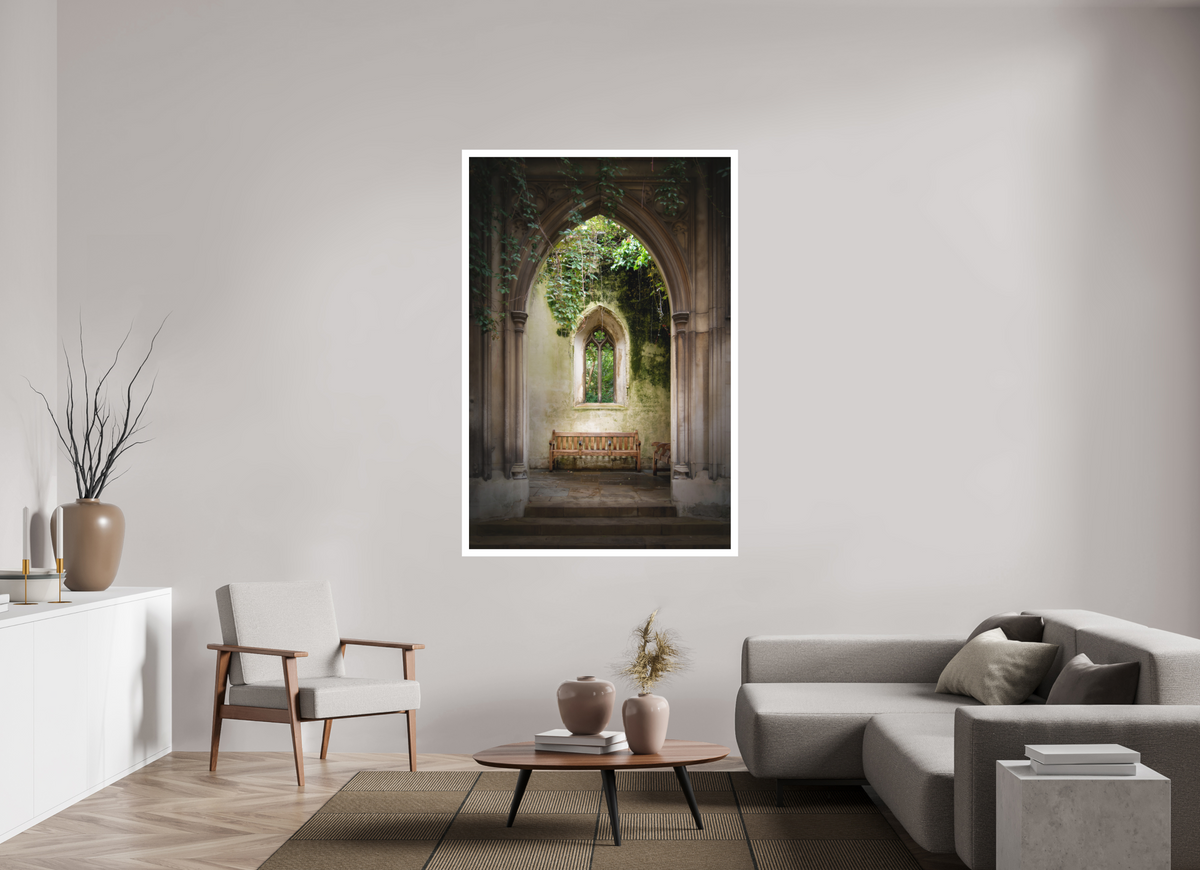

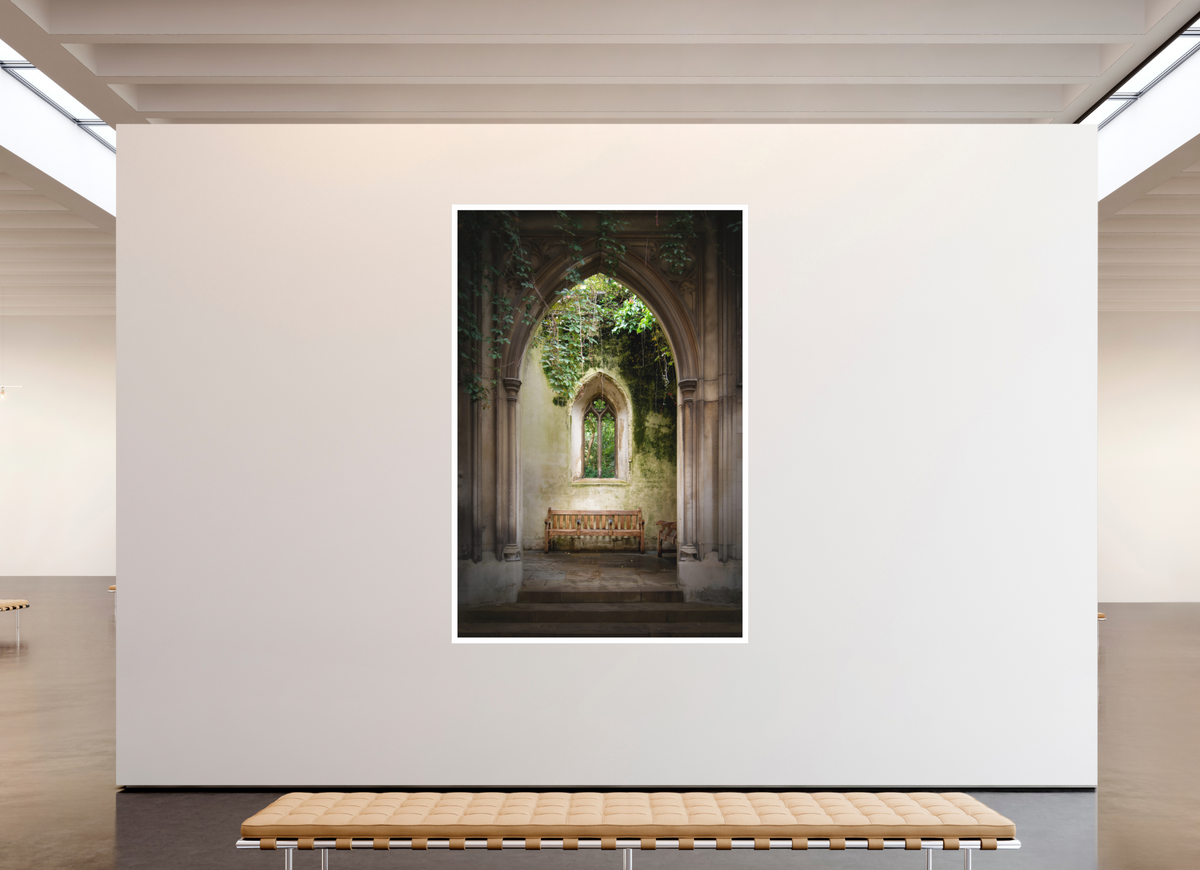

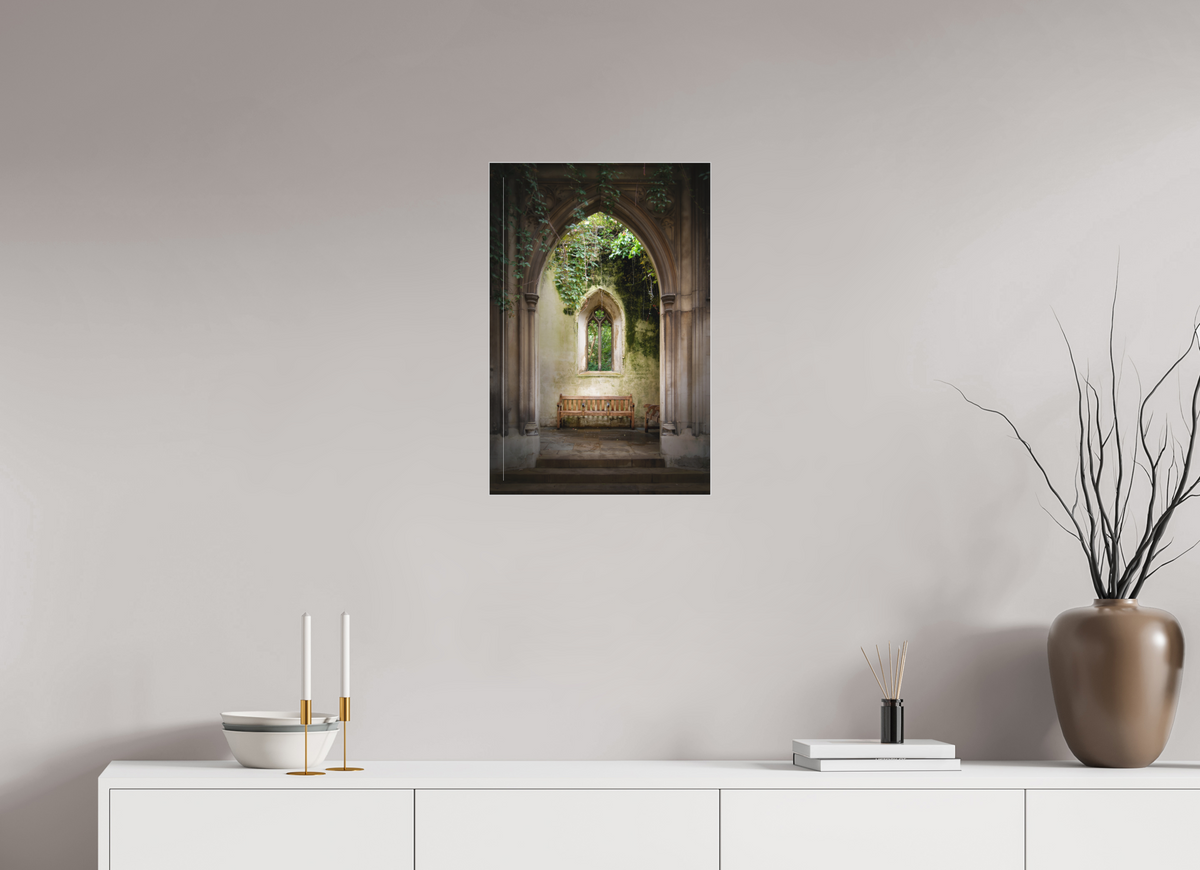
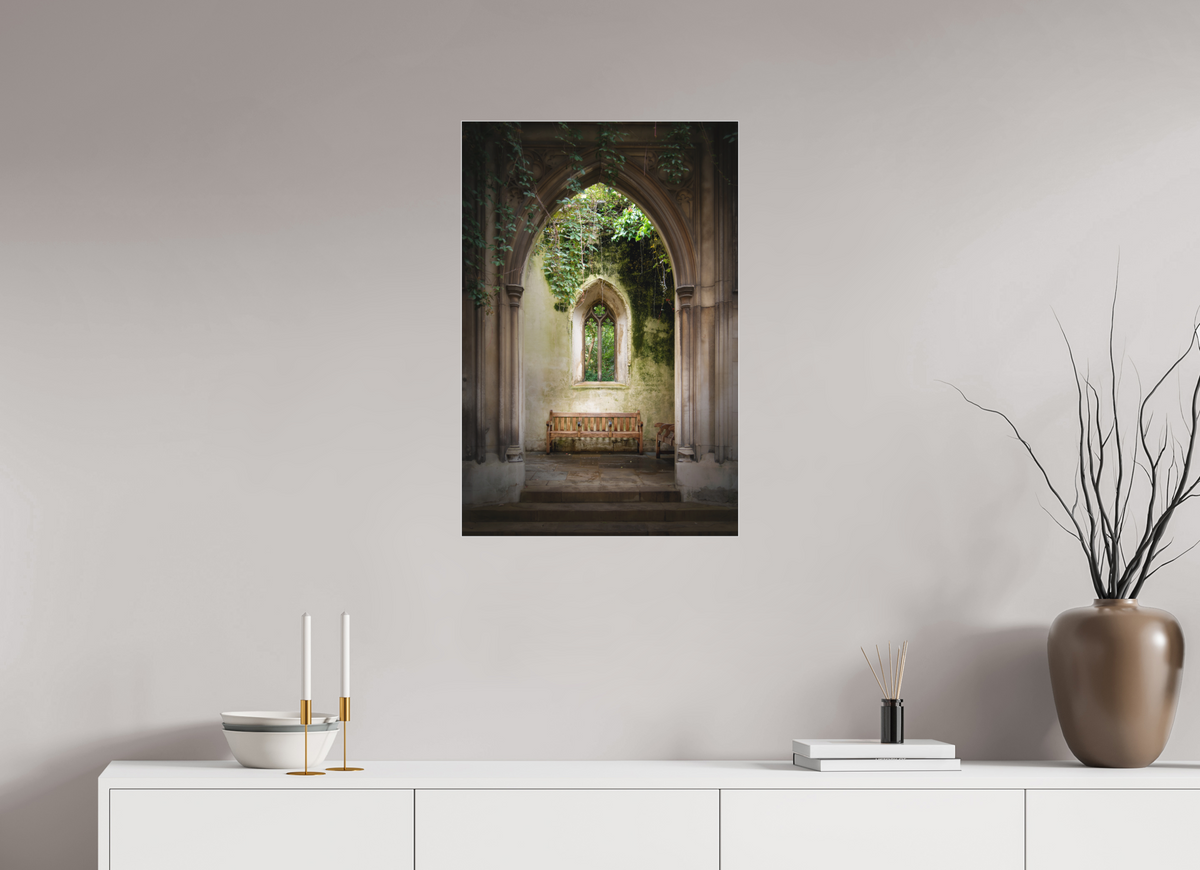
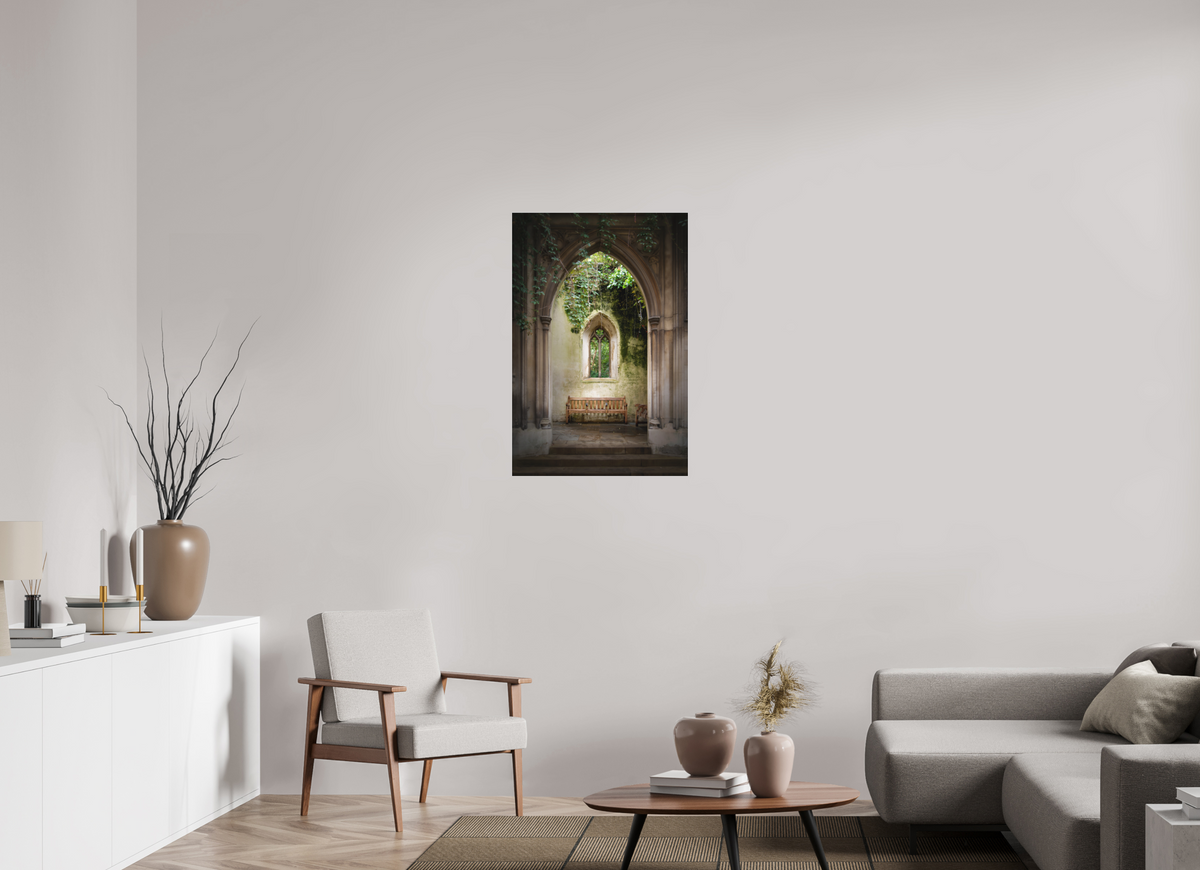
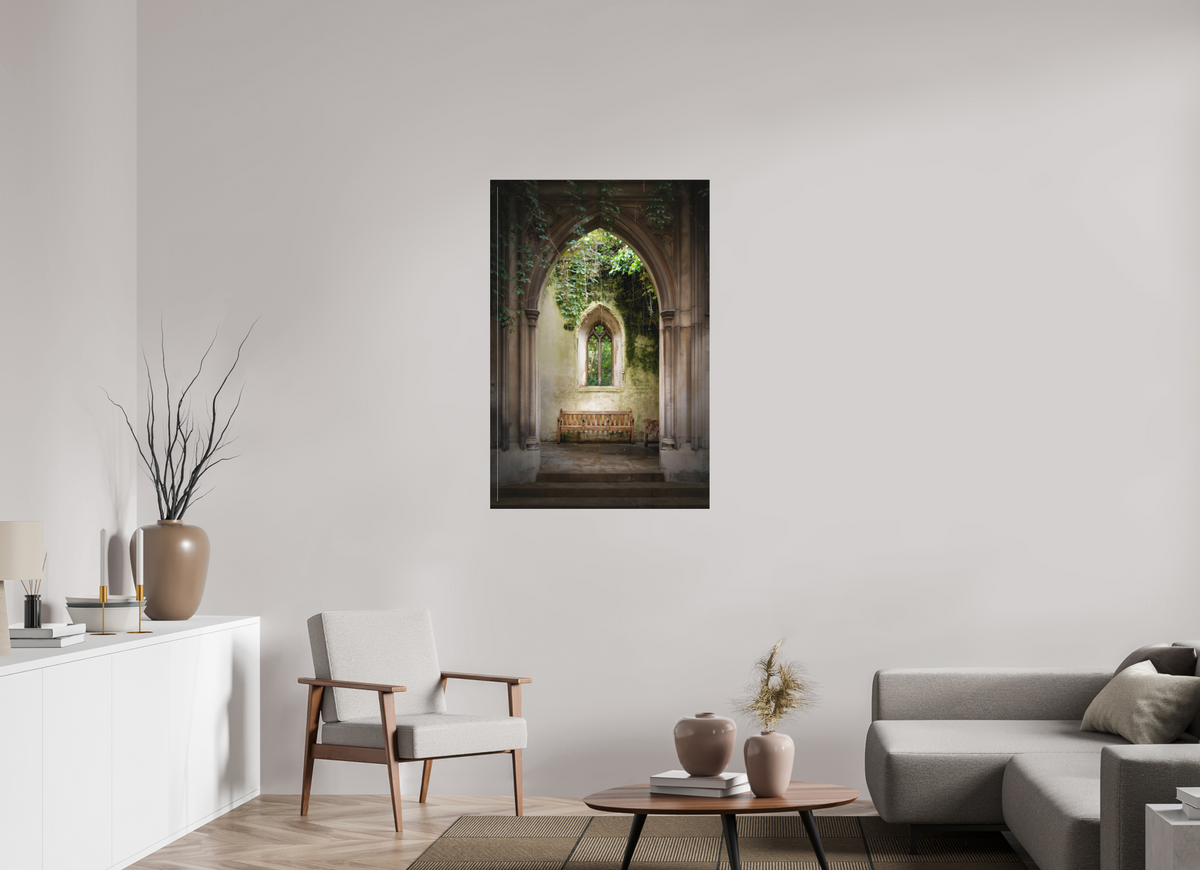
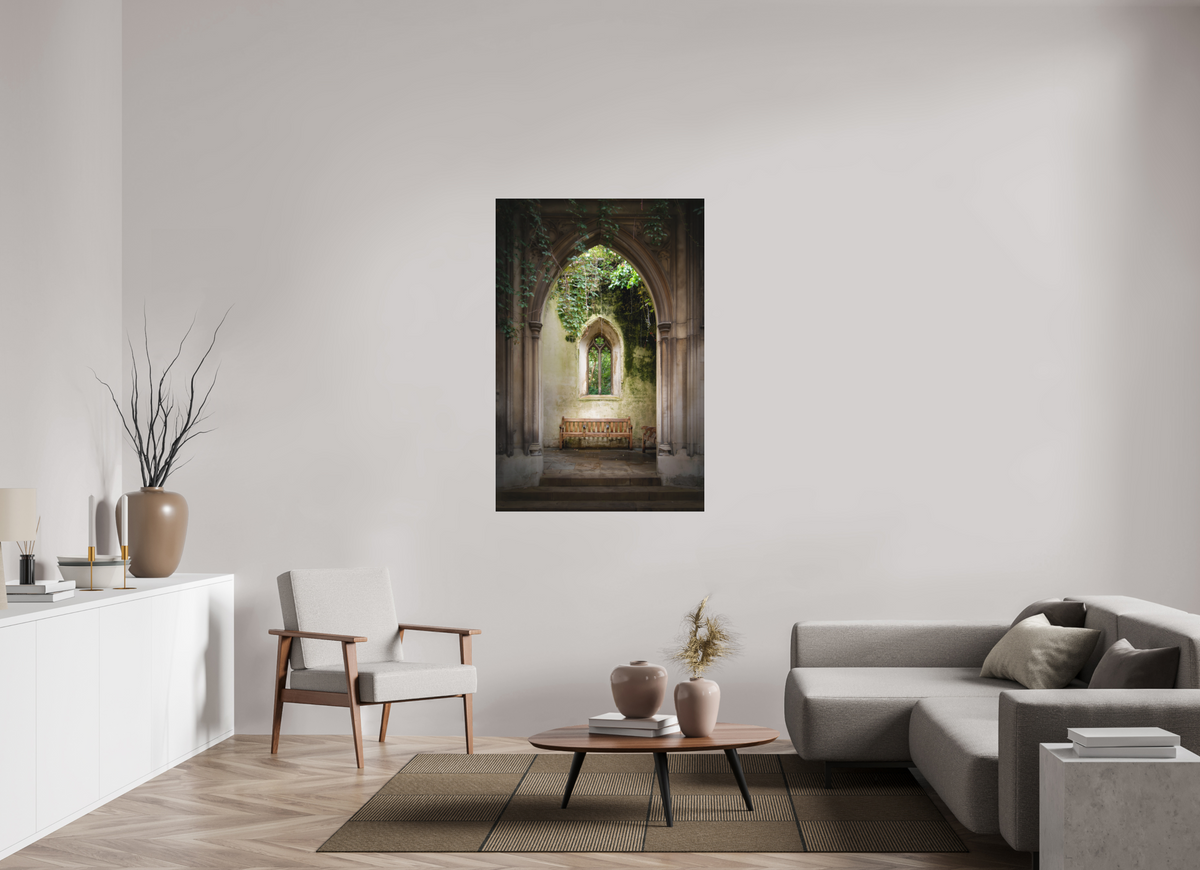
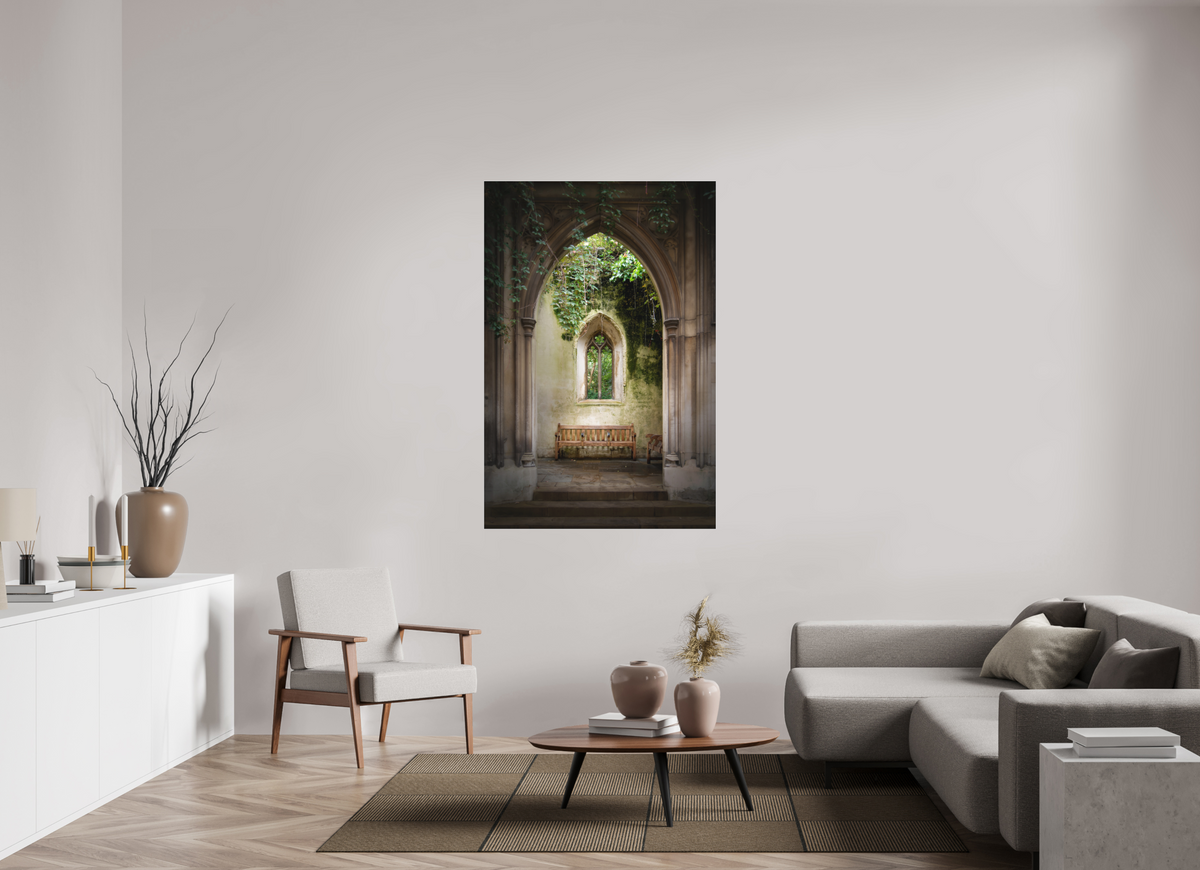


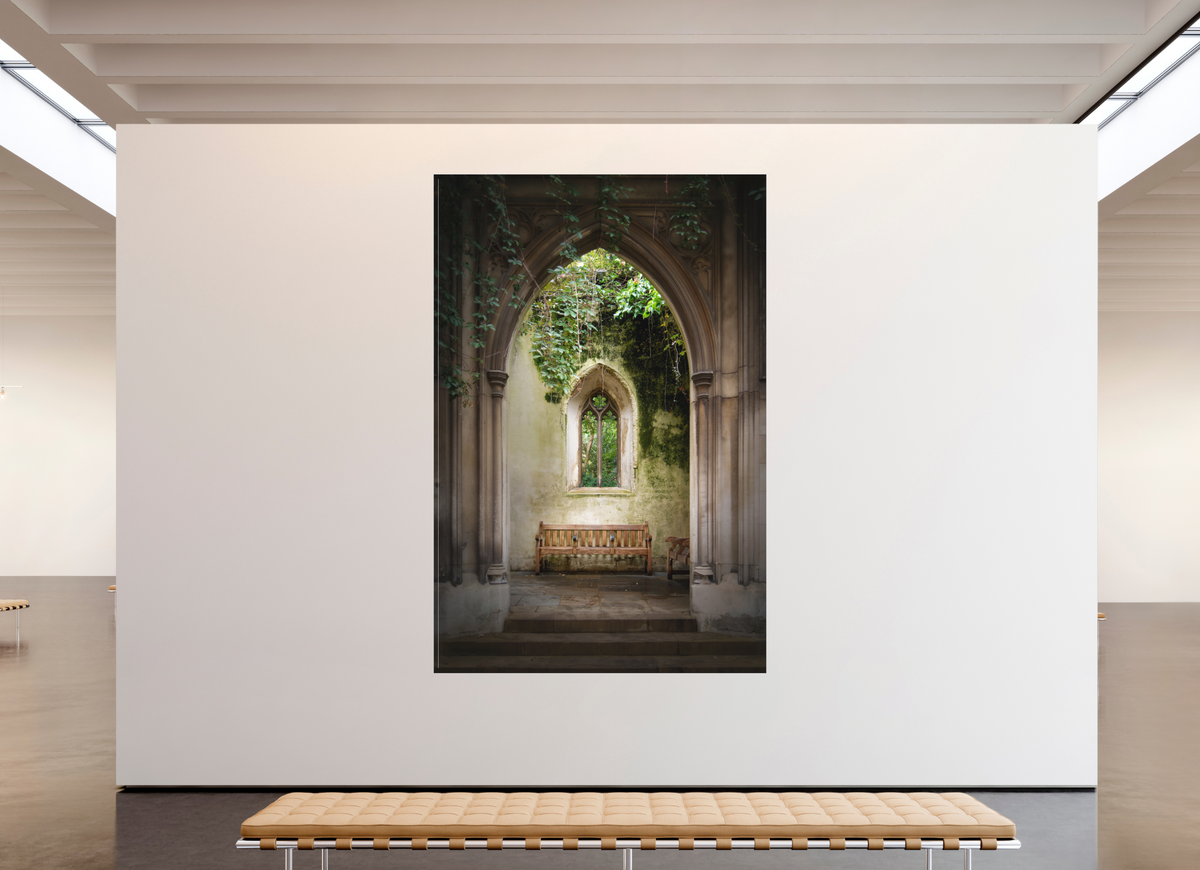
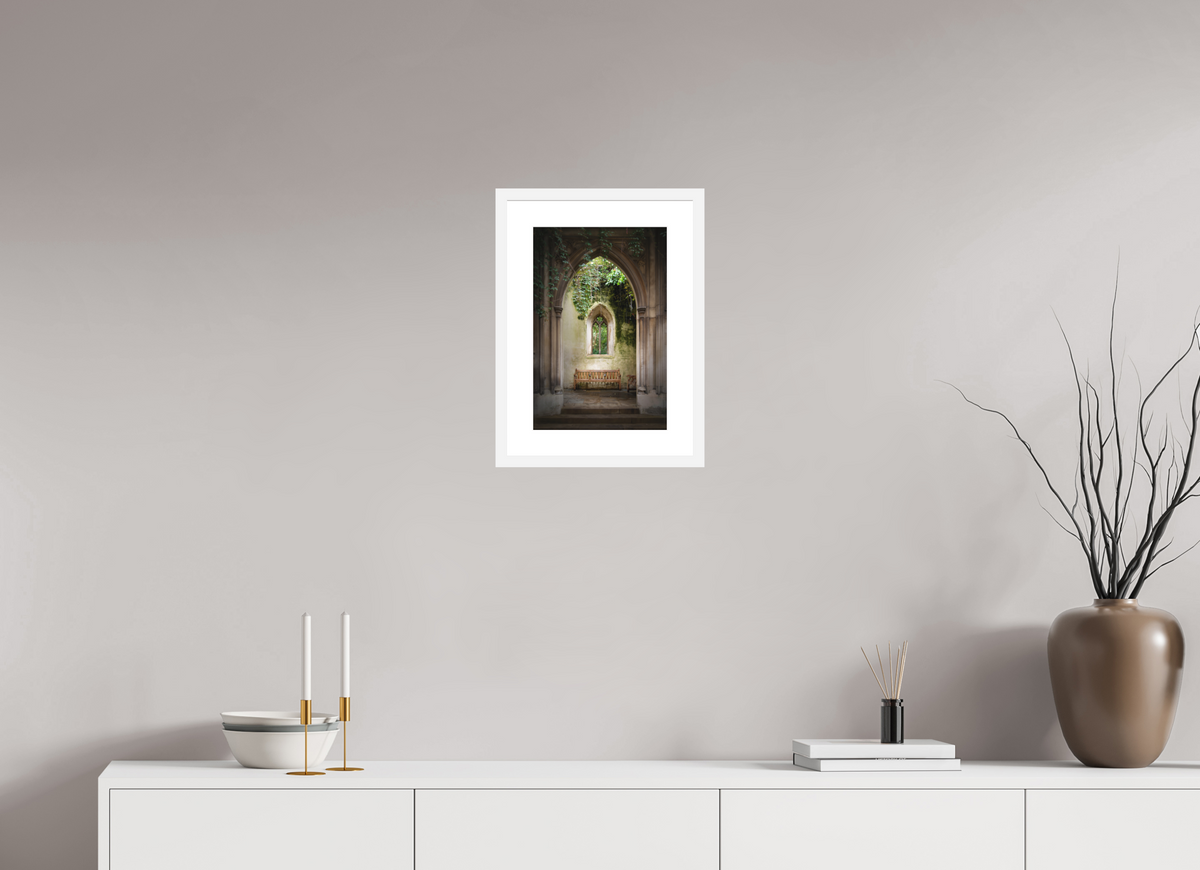


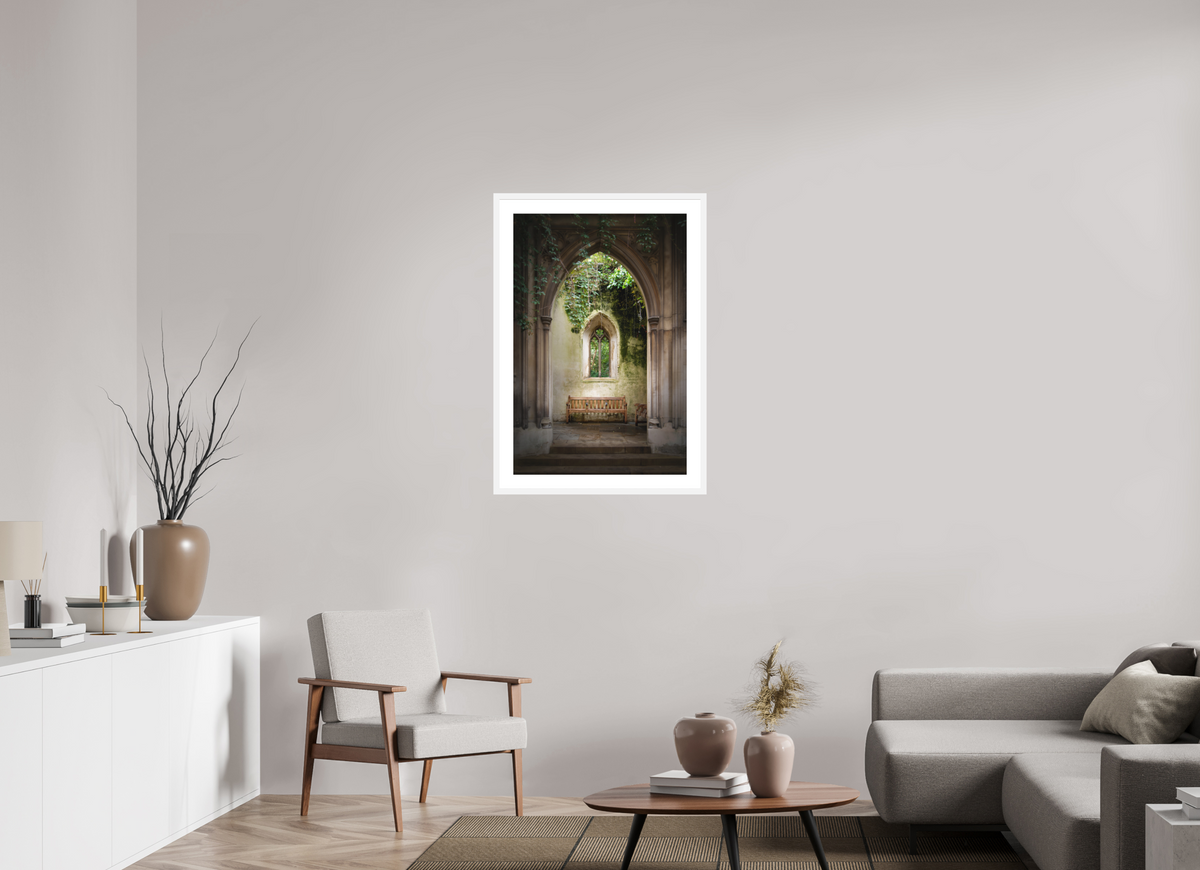
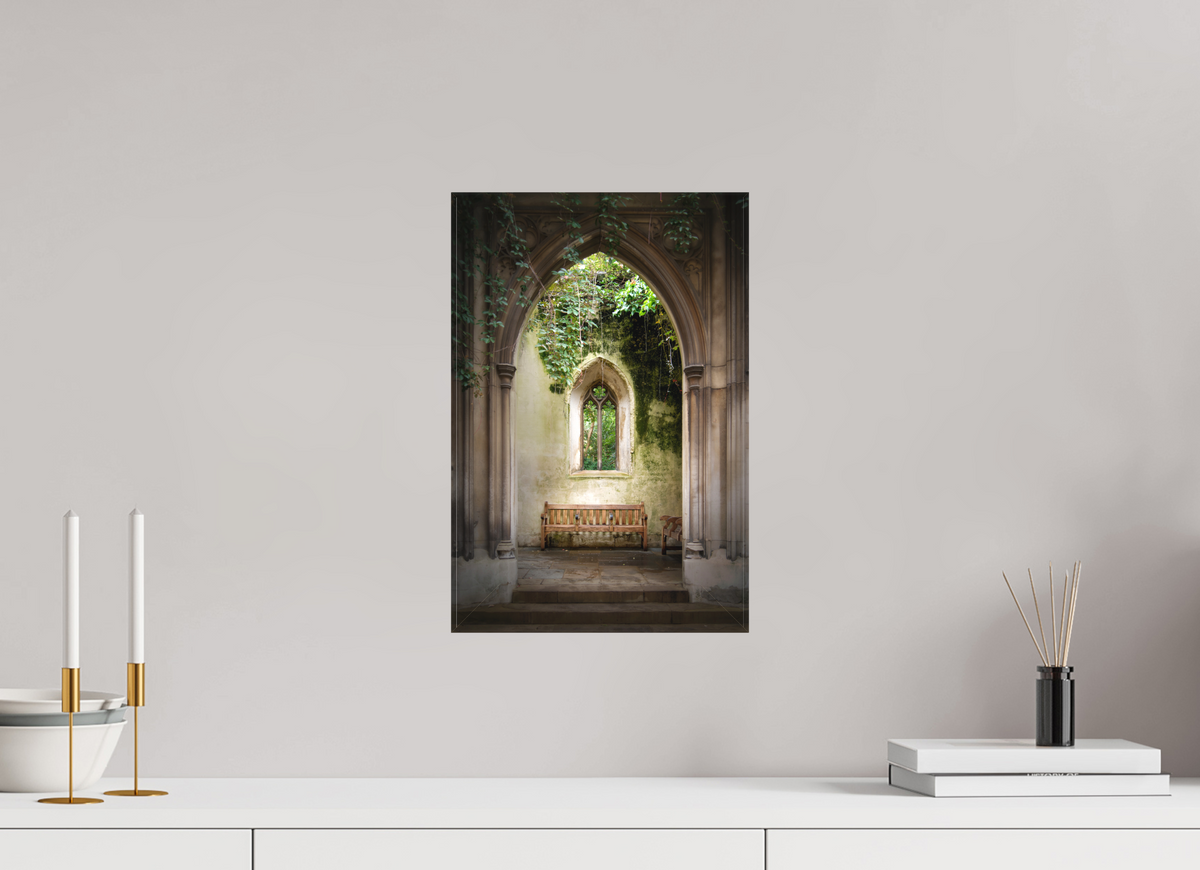

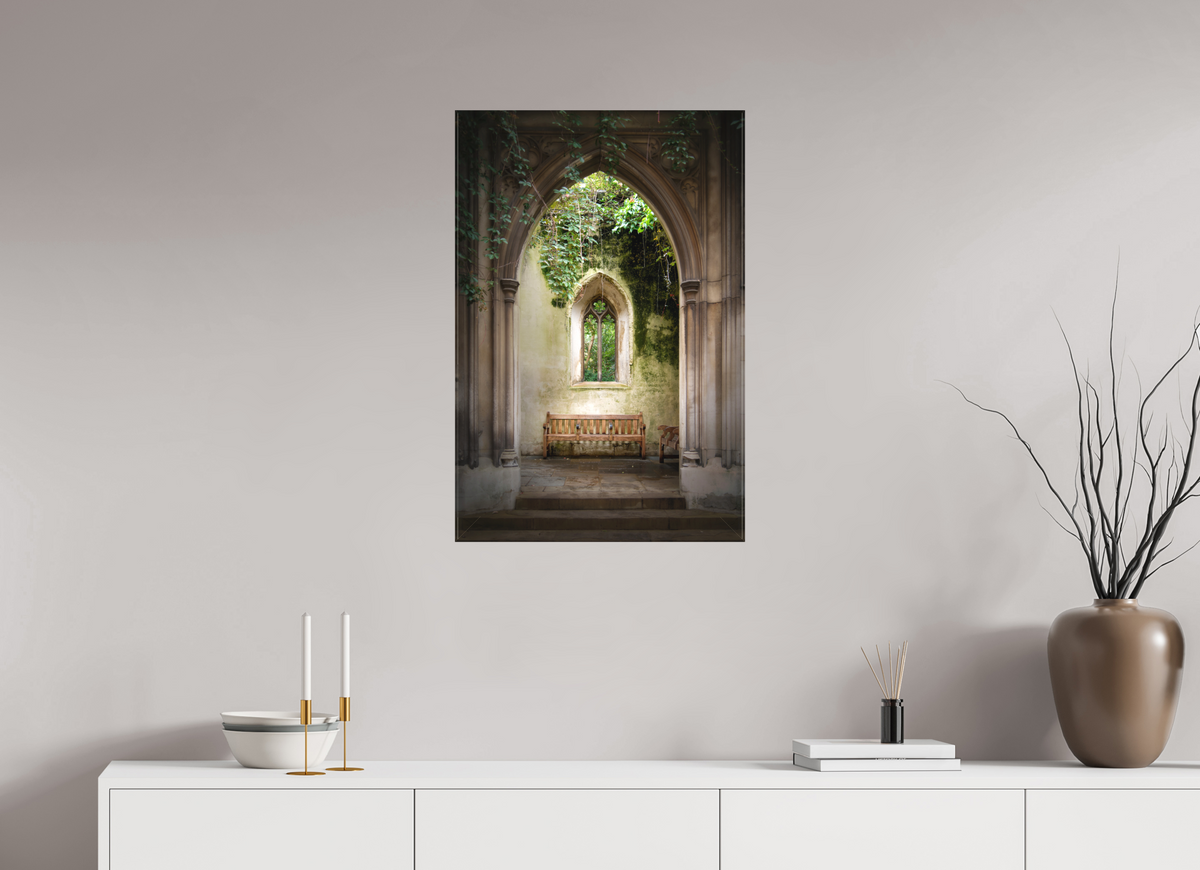
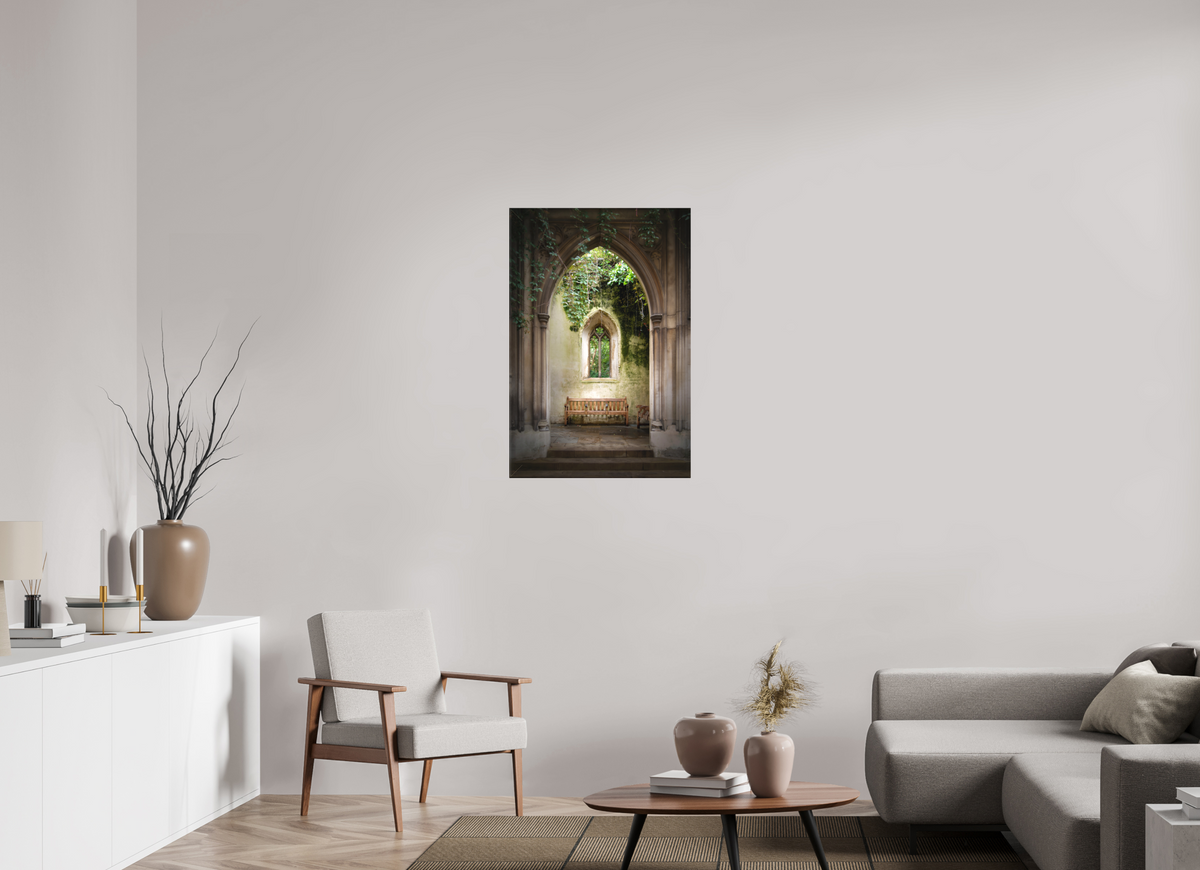
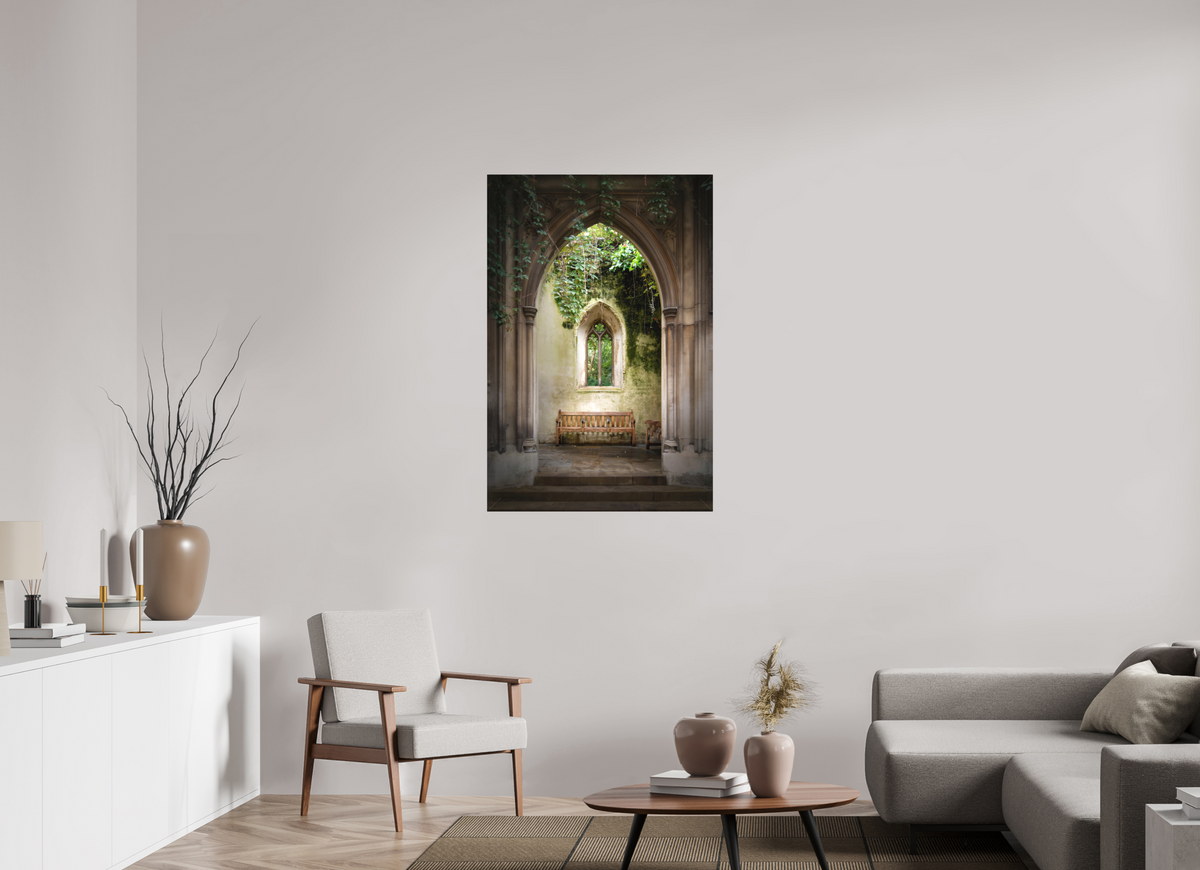
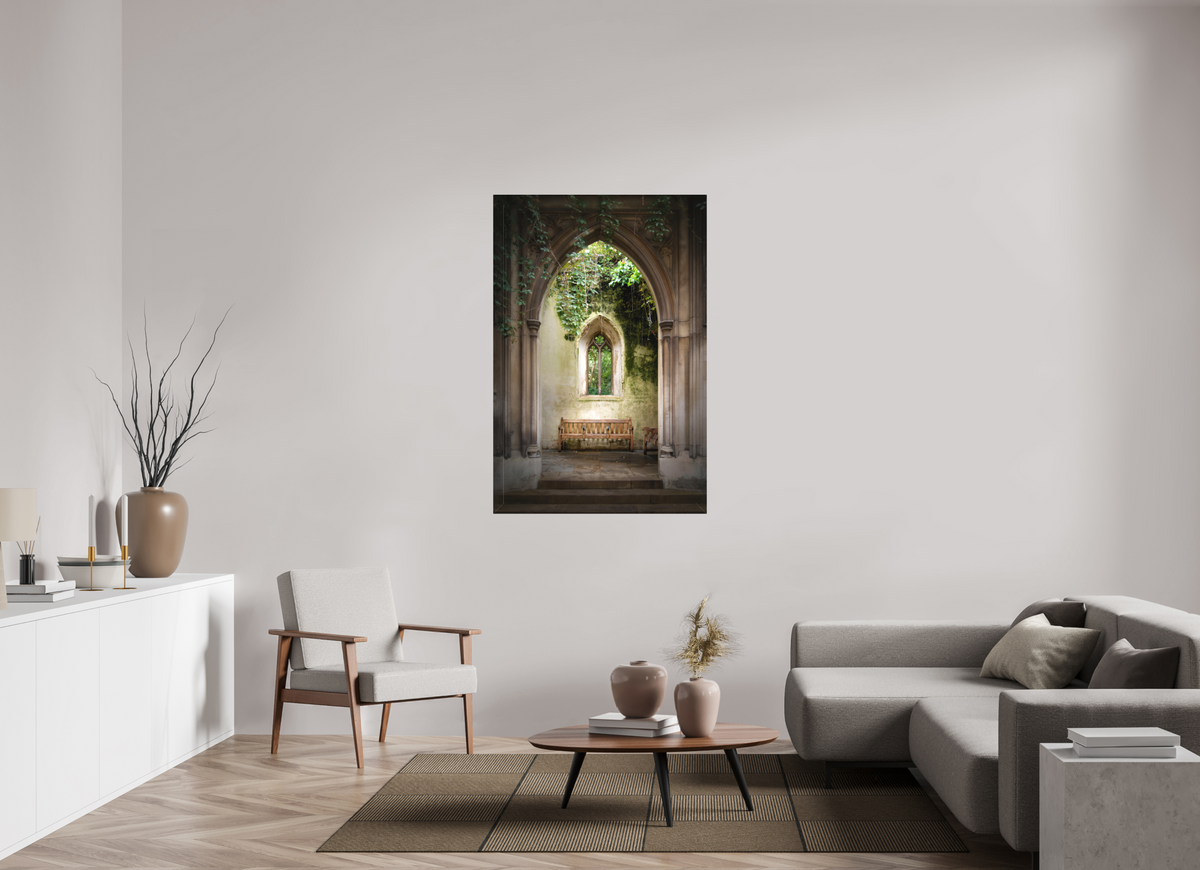
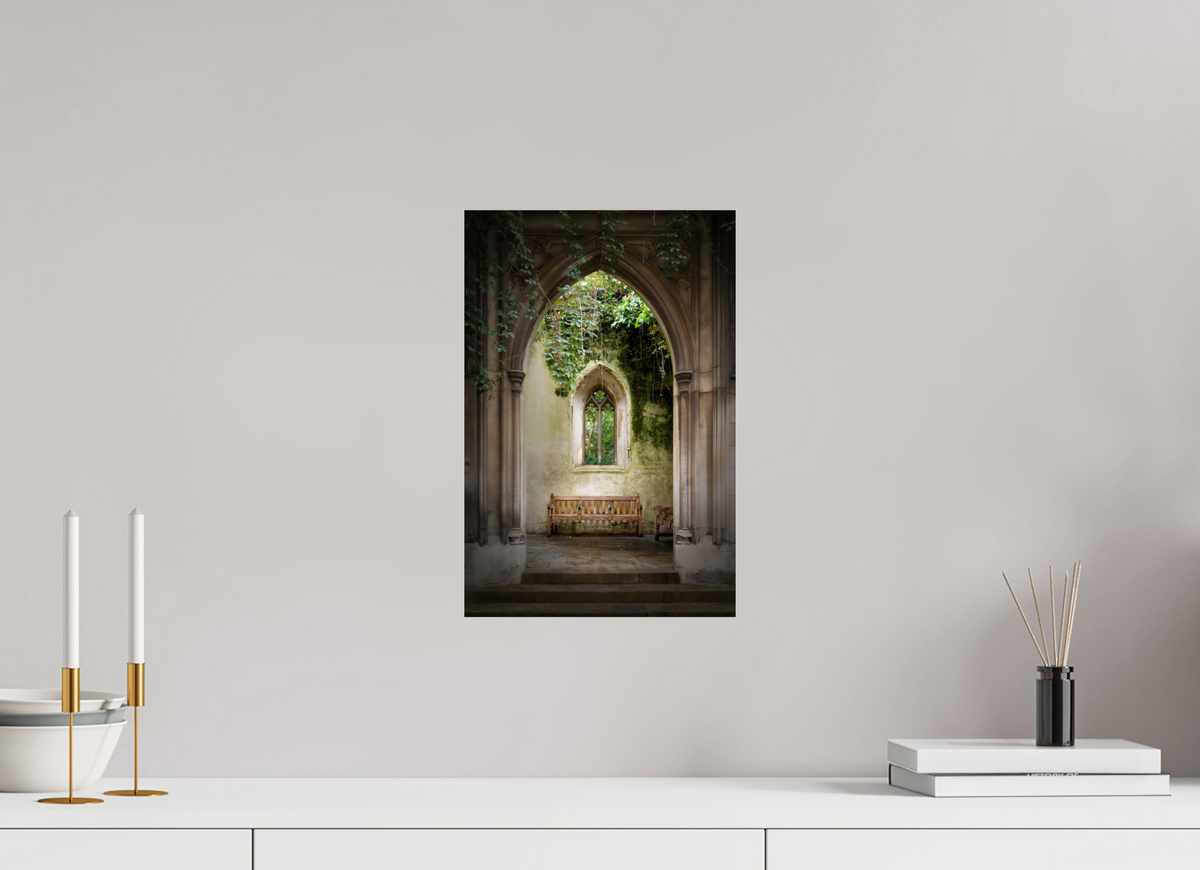

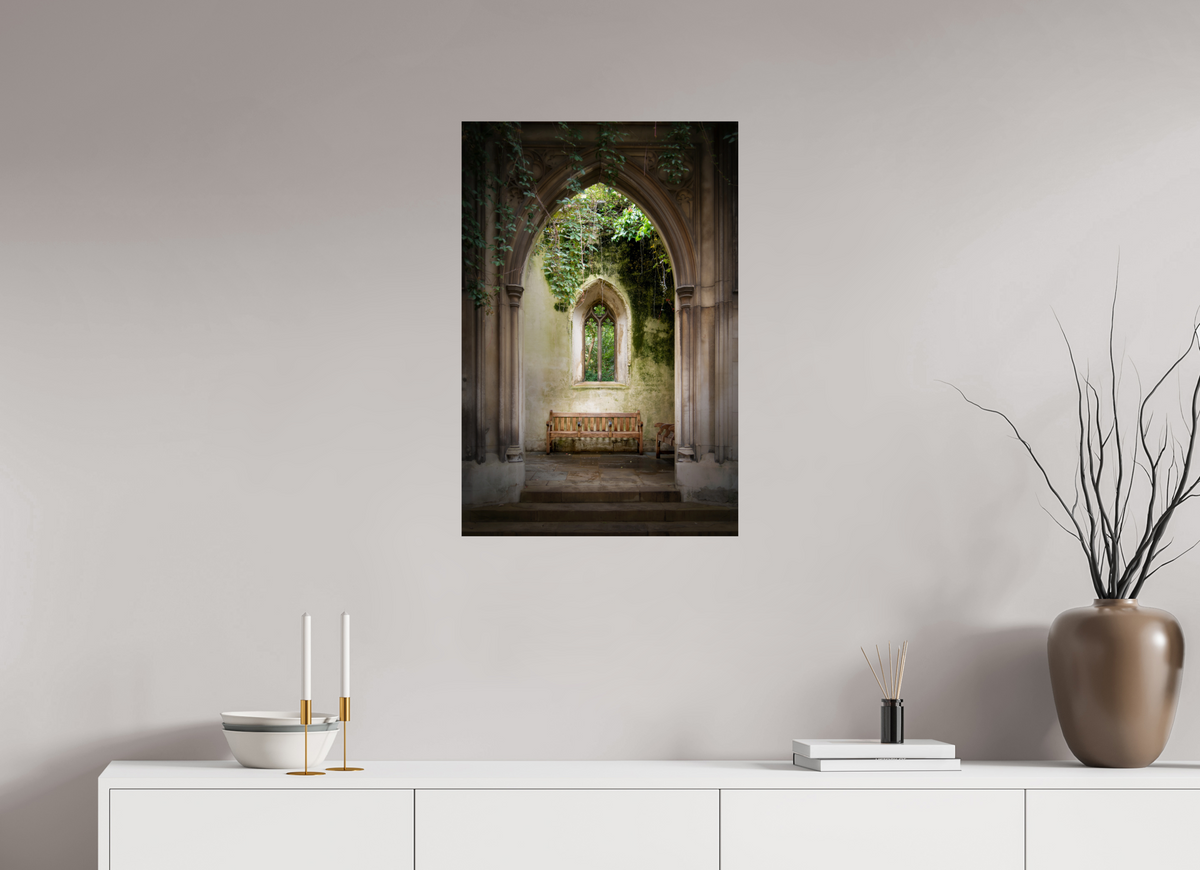
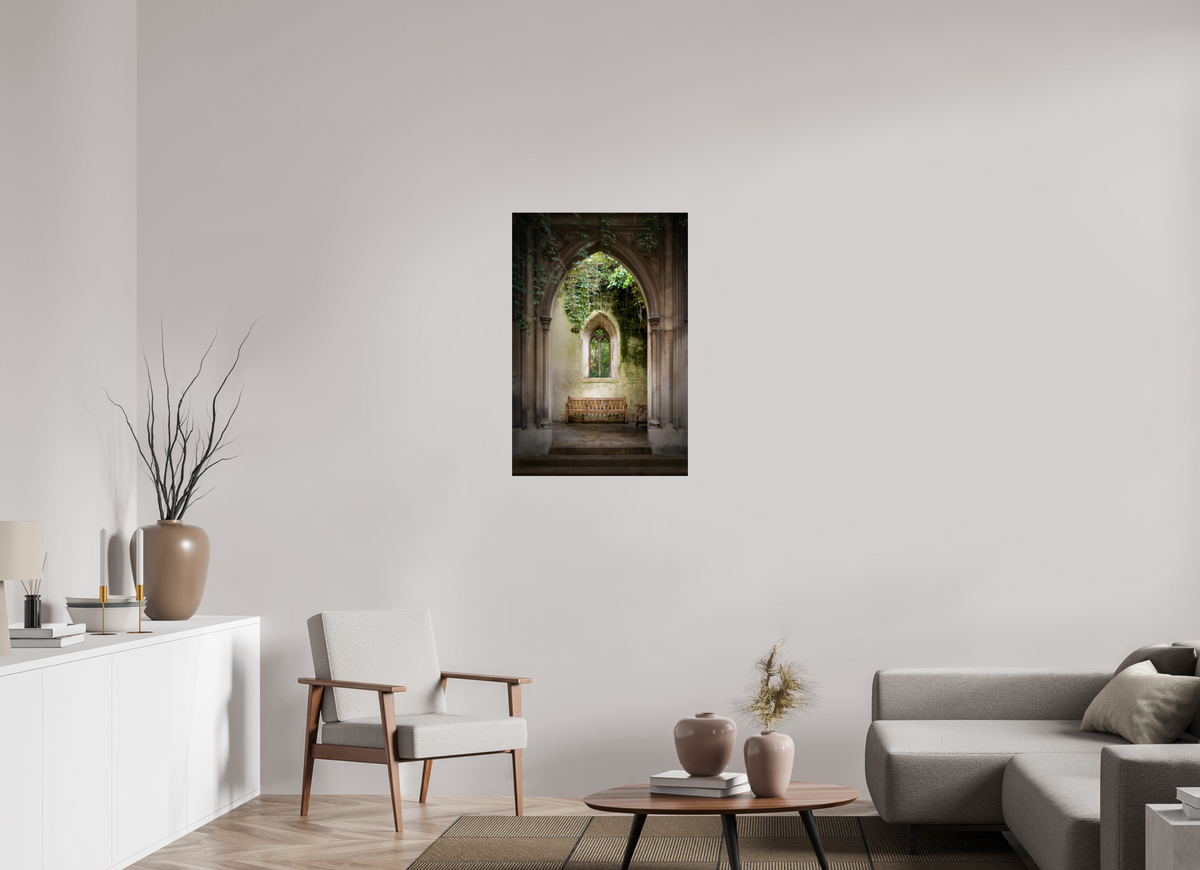
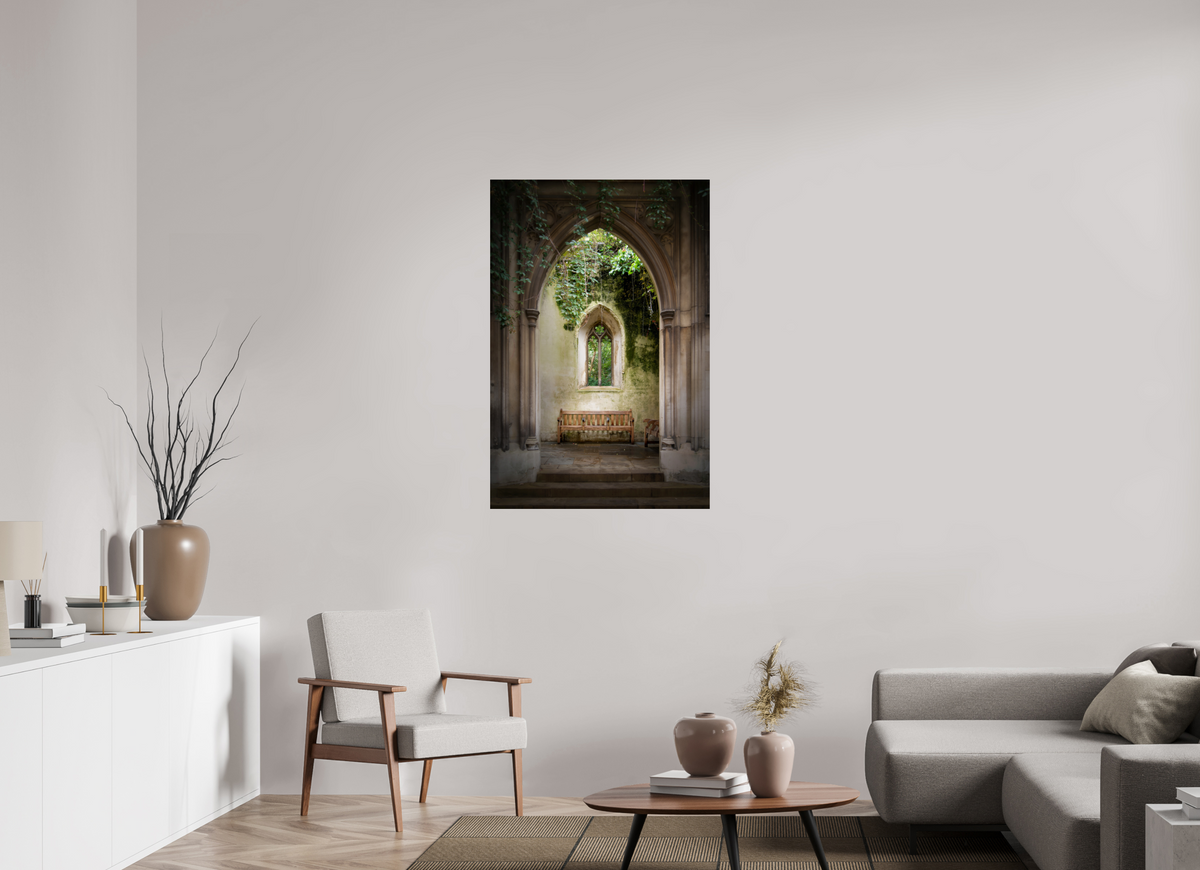
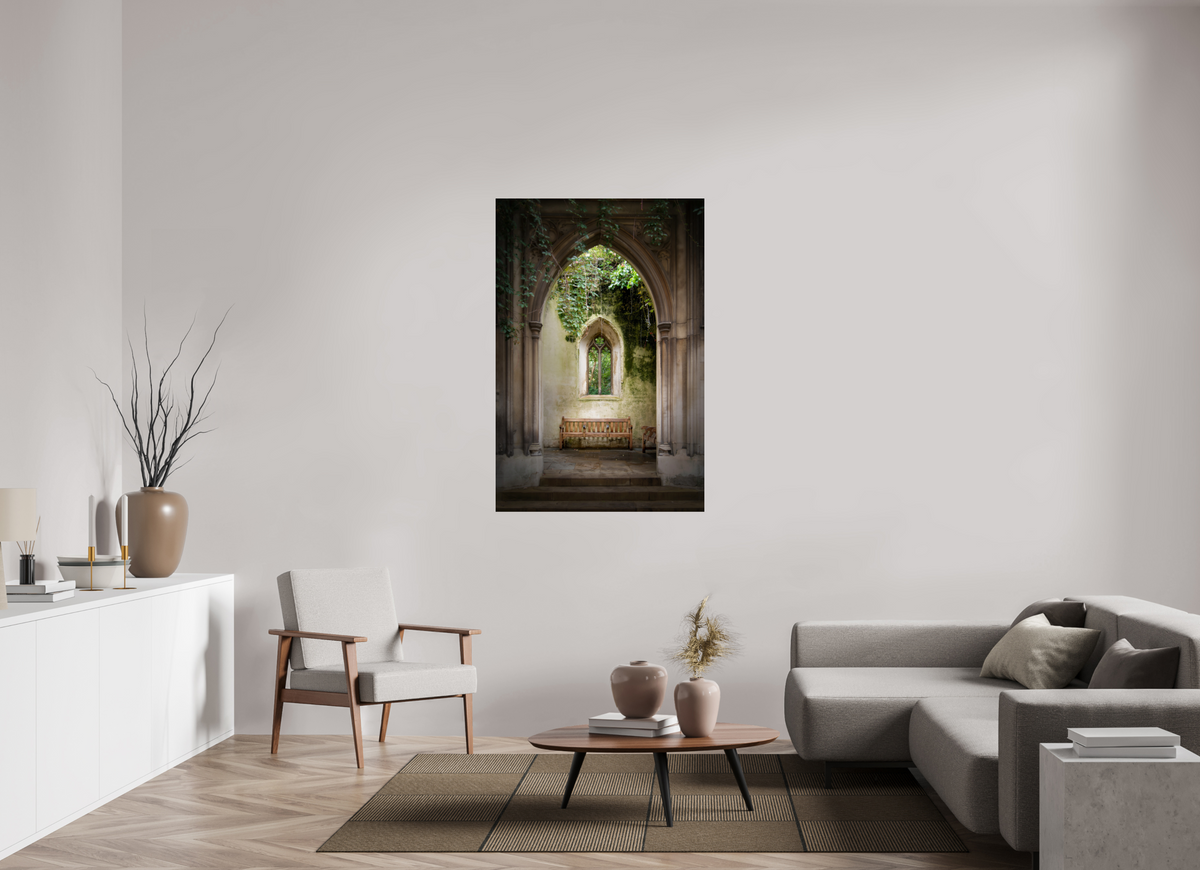
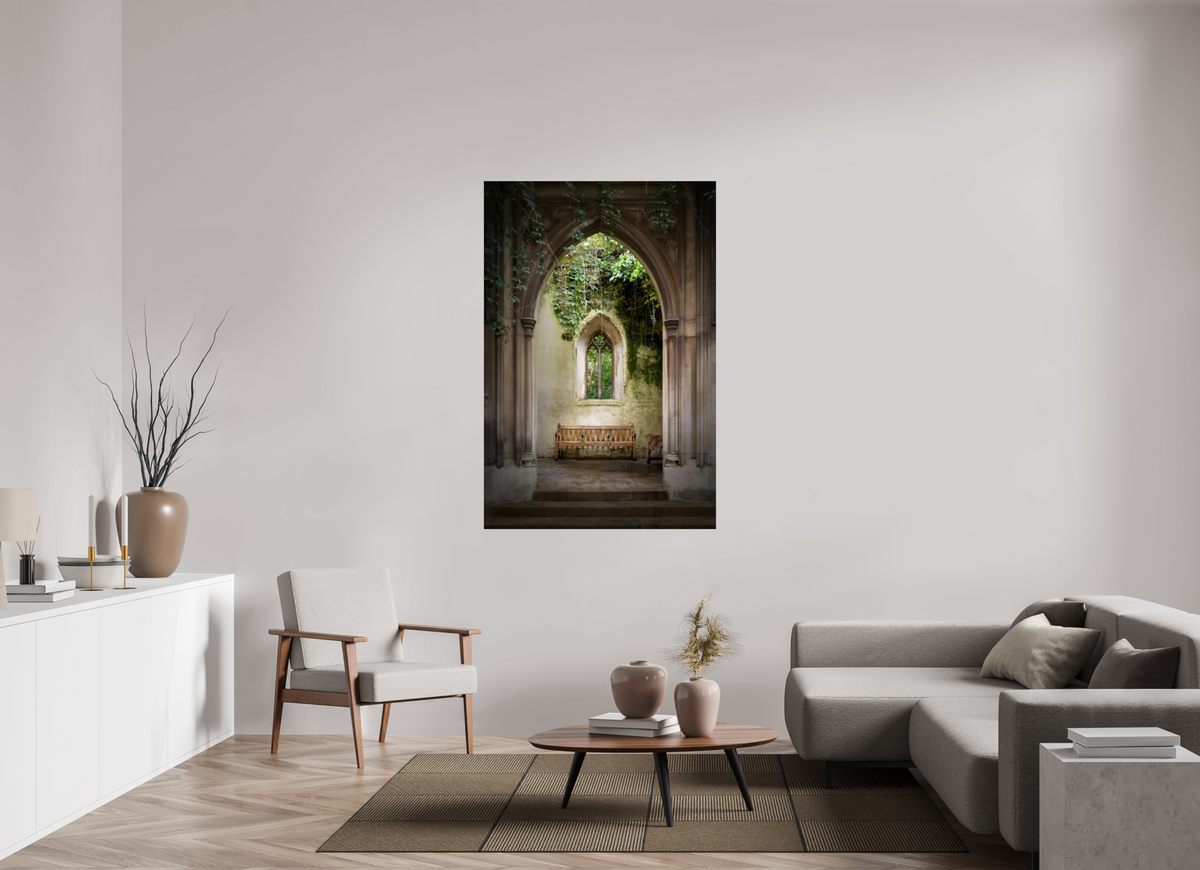
London's St Dunstan-in-the-East
This is such a marvelous place. Maintained in a state of arrested decay, it echoes all the travails it has witnessed and experienced. Per the Wiki:
The church was originally built in about 1100. A new south aisle was added in 1391 and the church was repaired in 1631 at a cost of more than £2,400. It was severely damaged in the Great Fire of London in 1666. Rather than being completely rebuilt, the damaged church was patched up between 1668 and 1671. A steeple was added in 1695–1701 to the designs of Sir Christopher Wren. It was built in a gothic style sympathetic to the main body of the church, though with heavy string courses of a kind not used in the Middle Ages. It has a needle spire carried on four flying buttresses in the manner of that of St Nicholas in Newcastle. The restored church had wooden carvings by Grinling Gibbons and an organ by Father Smith, which was transferred to the abbey at St Albans in 1818.
In 1817 it was found that the weight of the nave roof had thrust the walls seven inches out of the perpendicular. It was decided to rebuild the church from the level of the arches, but the state of the structure proved so bad that the whole building was taken down. It was rebuilt to a design in the perpendicular style by David Laing (then architect to the Board of Customs) with assistance from William Tite. The foundation stone was laid in November 1817 and the church re-opened for worship in January 1821. Built of Portland stone, with a plaster lierne nave vault, it was 115 feet long and 65 feet wide and could accommodate between six and seven hundred people. The cost of the work was £36,000. Wren's tower was retained in the new building.
The church was severely damaged in the Blitz of 1941. Wren's tower and steeple survived the bombs' impact. Of the rest of the church only the north and south walls remained. In the re-organisation of the Anglican Church in London following the War it was decided not to rebuild St Dunstan's, and in 1967 the City of London Corporation decided to turn the ruins of the church into a public garden, which opened in 1971. A lawn and trees were planted in the ruins, with a low fountain in the middle of the nave. The tower now houses the All Hallows House Foundation.
The parish is now combined with the Benefice of All Hallows by the Tower and occasional open-air services are held in the church, such as on Palm Sunday prior to a procession to All Hallows by the Tower along St Dunstan's Hill and Great Tower Street. The ruin was designated a Grade I listed building on 4 January 1950.
London, UK 2024
Sony A7CR
Tamron 28-200mm
Request Custom Quote
Interested in this artwork in a different medium or size? Please contact us for a custom quote.
There are so many ways to print an image, so many papers and inks, and thousands of ways to frame or mount it. How does one choose? We've tried to simplify this process, by offering the types of prints, frames, and mountings that we use and love in our own home, and that we know complement our artwork.
Here is a short guide to the formats we offer:
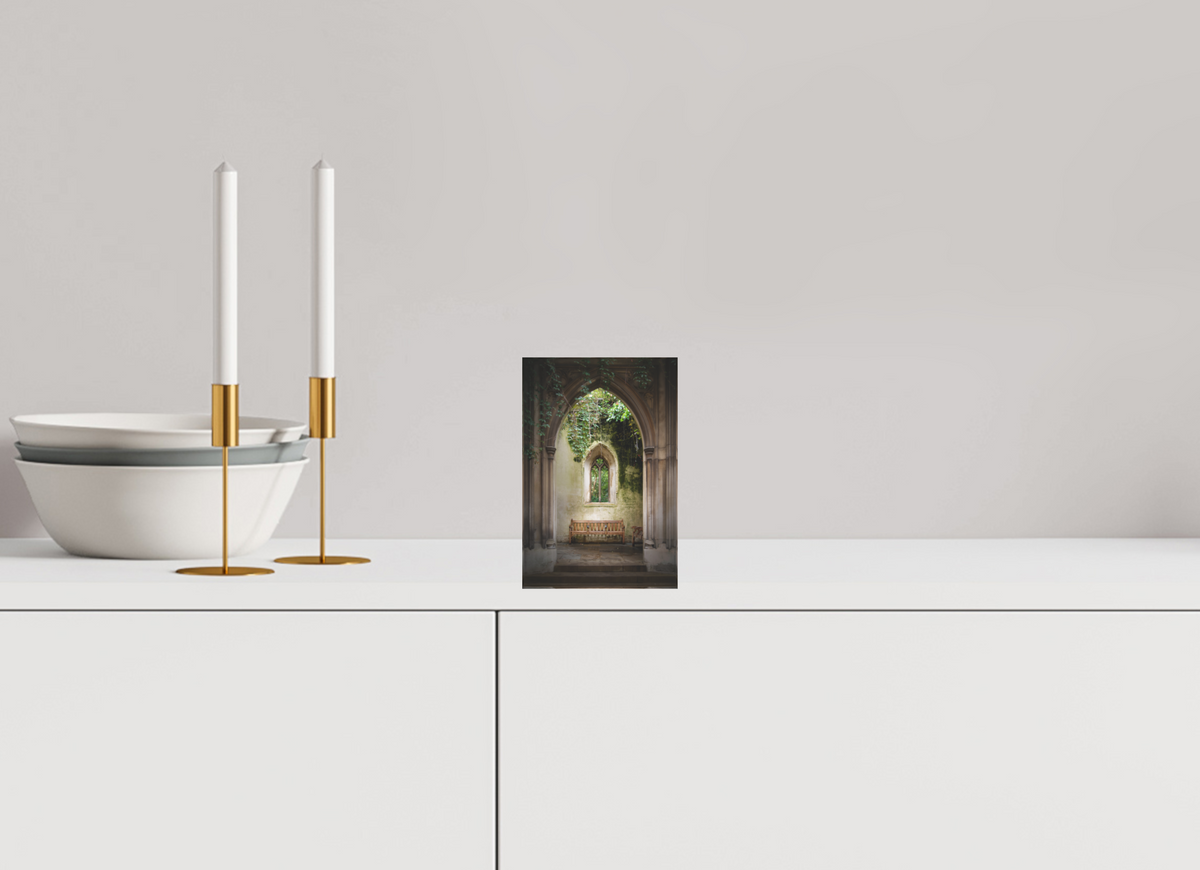
Acrylic Block Gift Box
A small display piece — usually 4×6 or 8×8 inches. Whitewall's method is what makes this worth offering: the image is printed on archival paper first, then bonded to the acrylic. Many competitors print directly to acrylic, which compromises color reproduction and longevity. Our version keeps the brilliance and dimensional quality of a full acrylic presentation at a size and price that make it right for gifting or for a small dedicated space. Ships in a gift box. Available for images with native 1:1, 3:2, or 4:3 aspect ratios; for wider panoramas or unusual crops, see the other formats or request a custom quote. We have other printing houses for acrylic block in non-standard sizes.
Fine Art Bonded Acrylic
This is our premier print format. Pigment inkjet on Hahnemühle fine art paper, laminated behind glossy acrylic glass on an Alu-Dibond backing, in a brushed silver slimline case. The pigment inkjet process holds the widest color spectrum and the finest tonal gradation of any medium we offer, and the paper is archival for generations. To achieve the best longevity, the printed image is sealed behind acrylic glass with permanently elastic silicone. The sophisticated technology ensures perfect results for images of any size and also makes it possible to create impressive large formats up to 115 x 70 inches (290 x 180 cm) as seamless photo prints.This is our preferred gallery presentation, and we make it available in a variety of matted and unmatted with slimline frames of various tones, depending on the image itself. We love how the slimline case creates a sense of elegance, while staying out of the way of the print, which projects forward from the case. All Bonded Acrylic prints are mounted beneath museum matte acrylic to minimize reflections in almost all lighting conditions while accentuating the tones and depth opf the image.
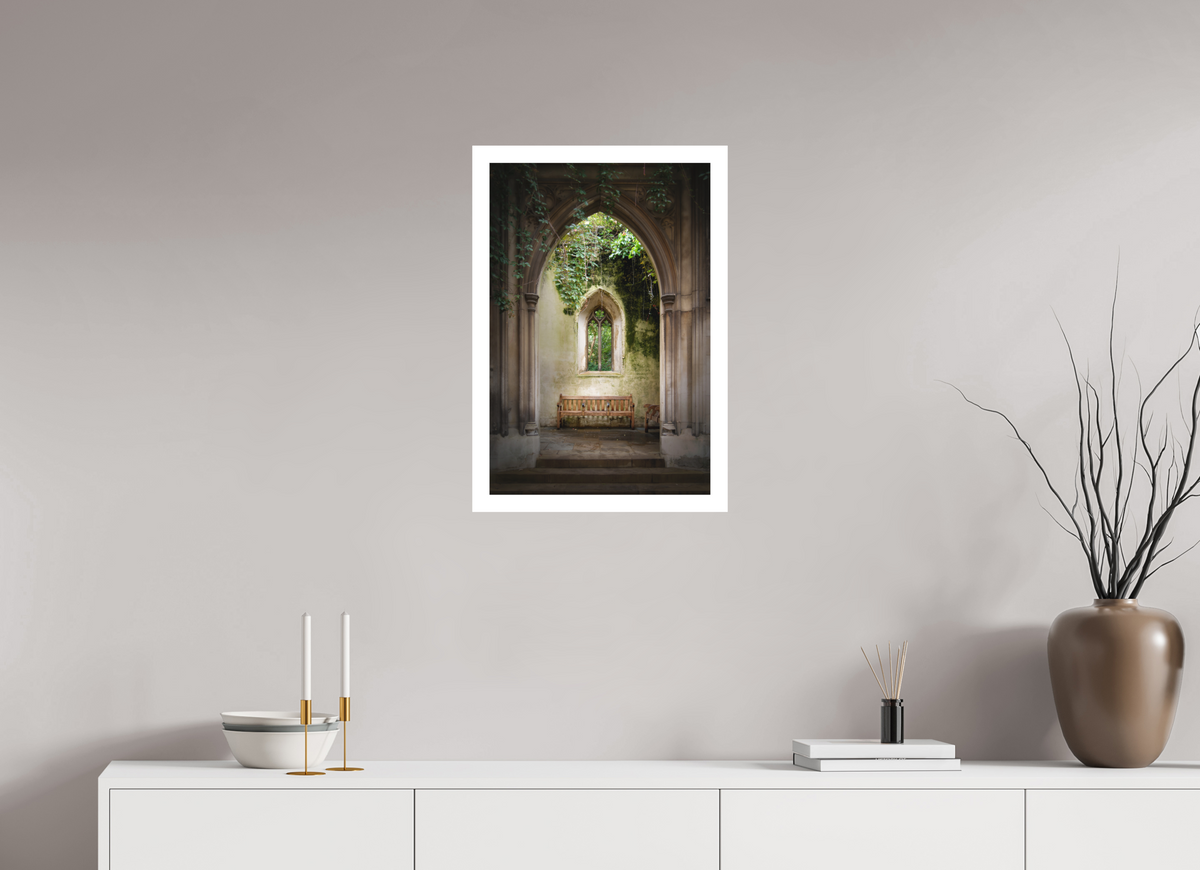
Passe-Partout, Black or White
Baryta paper — the silver-tone paper fine art black-and-white printing has used for eighty years — mounted in a double-mat passe-partout framing behind museum glass. Available with a black frame or a white frame; the paper and mat treatment are identical, only the frame color differs. Black frames read more contemporary and architectural; white frames read more traditional and gallery-quiet. Available for any image, though the treatment reads most naturally on monochrome work.
Textile Print
A pigment print on woven textile, wrapped on a wooden stretcher frame with mirror-edge treatment on the sides. Different from standard canvas: the surface is finer, the print holds detail better, the presentation is more sophisticated. Lightweight compared to acrylic or paper-under-acrylic, easier to hang, and the price point stays accessible while still feeling serious. Best for larger sizes and rooms where reduced weight and reflection matter.
Giclée on Alu-Dibond
For those who want to select their own framing and/or glass cover. A giclée fine art print on Hahnemühle FineArt Pearl paper, mounted on Alu-Dibond backing, no glass, no frame. The paper texture is visible; there are no reflections; the print itself is what the viewer sees. This is what a curated gallery show hangs. Best for viewers who want the print to speak without any surface between it and them. It's also for someone who wants to have their print custom framed with specific glass.
Not seeing what you want?
We understand that every living space is unique, and every person has their own tastes. So, if what we offer as our standard array is not exactly what you want, we recommend you reach out to us and let us know what interests you. We can guide you through the vast WhiteWall selection process and prepare a custom quote for you. If you have a specific medium, size, or presentation in mind that isn't listed here, please request a custom quote — we can work directly with Whitewall's full catalog to build a piece to your specifications.
Choose options