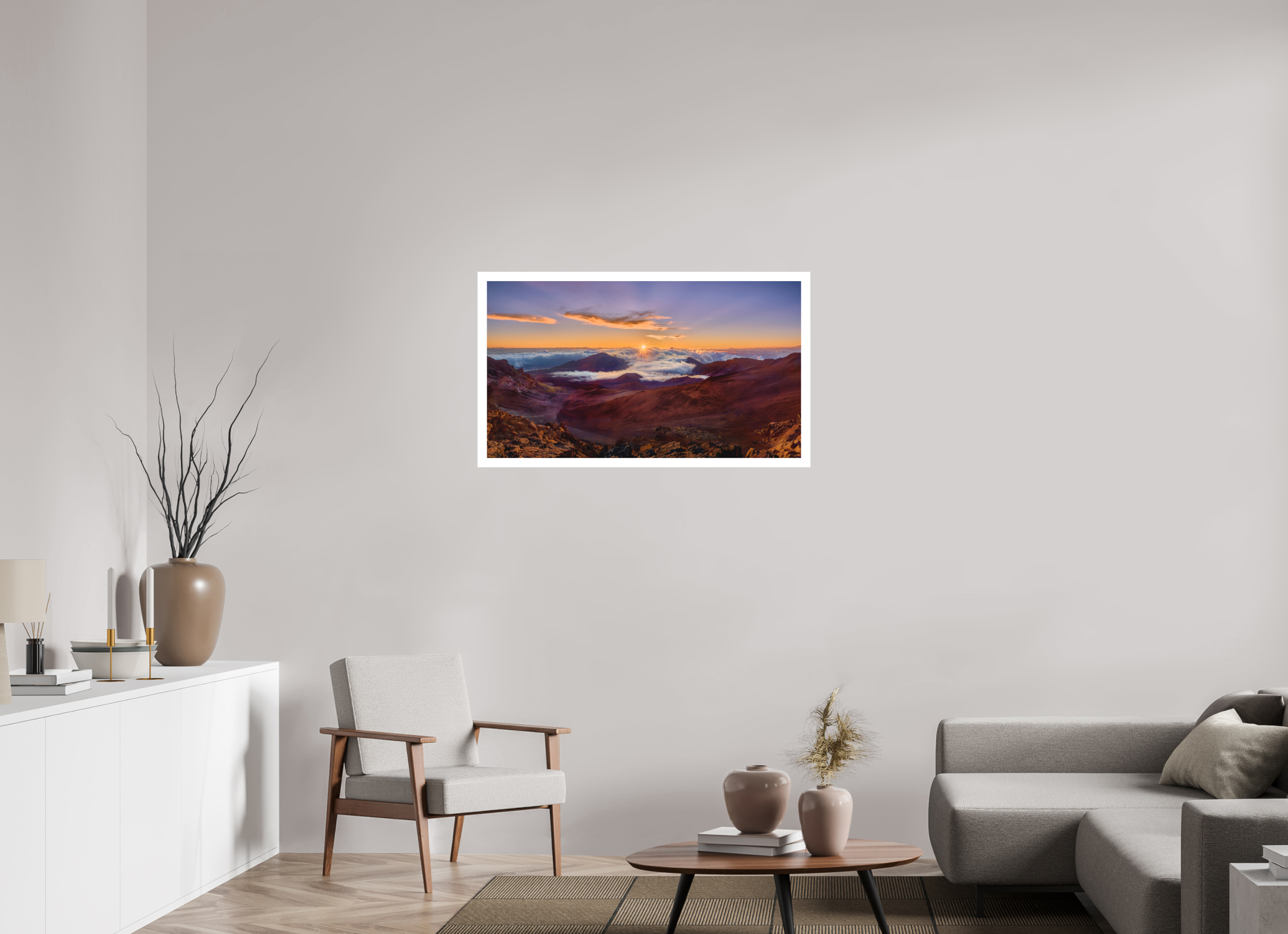
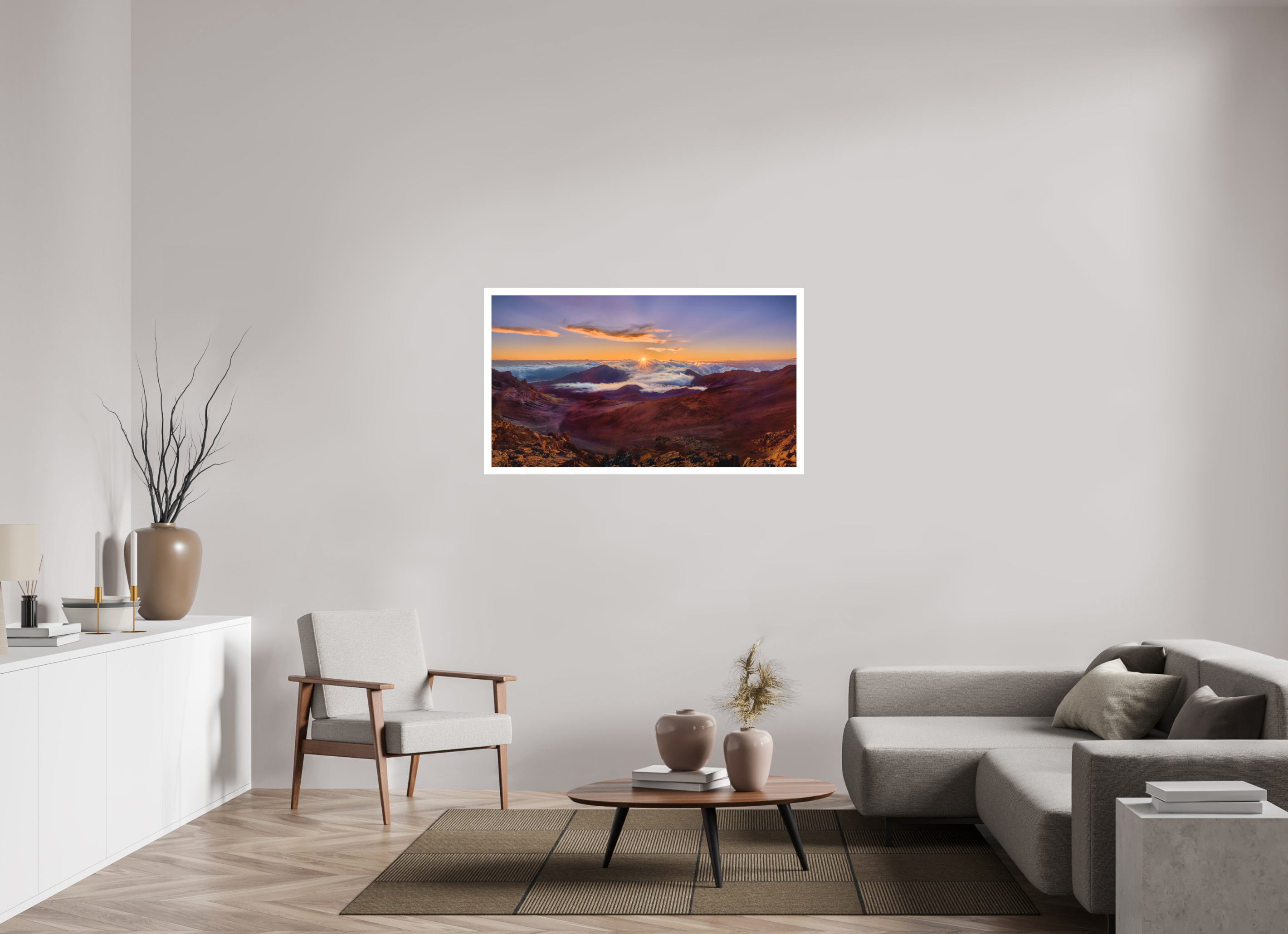


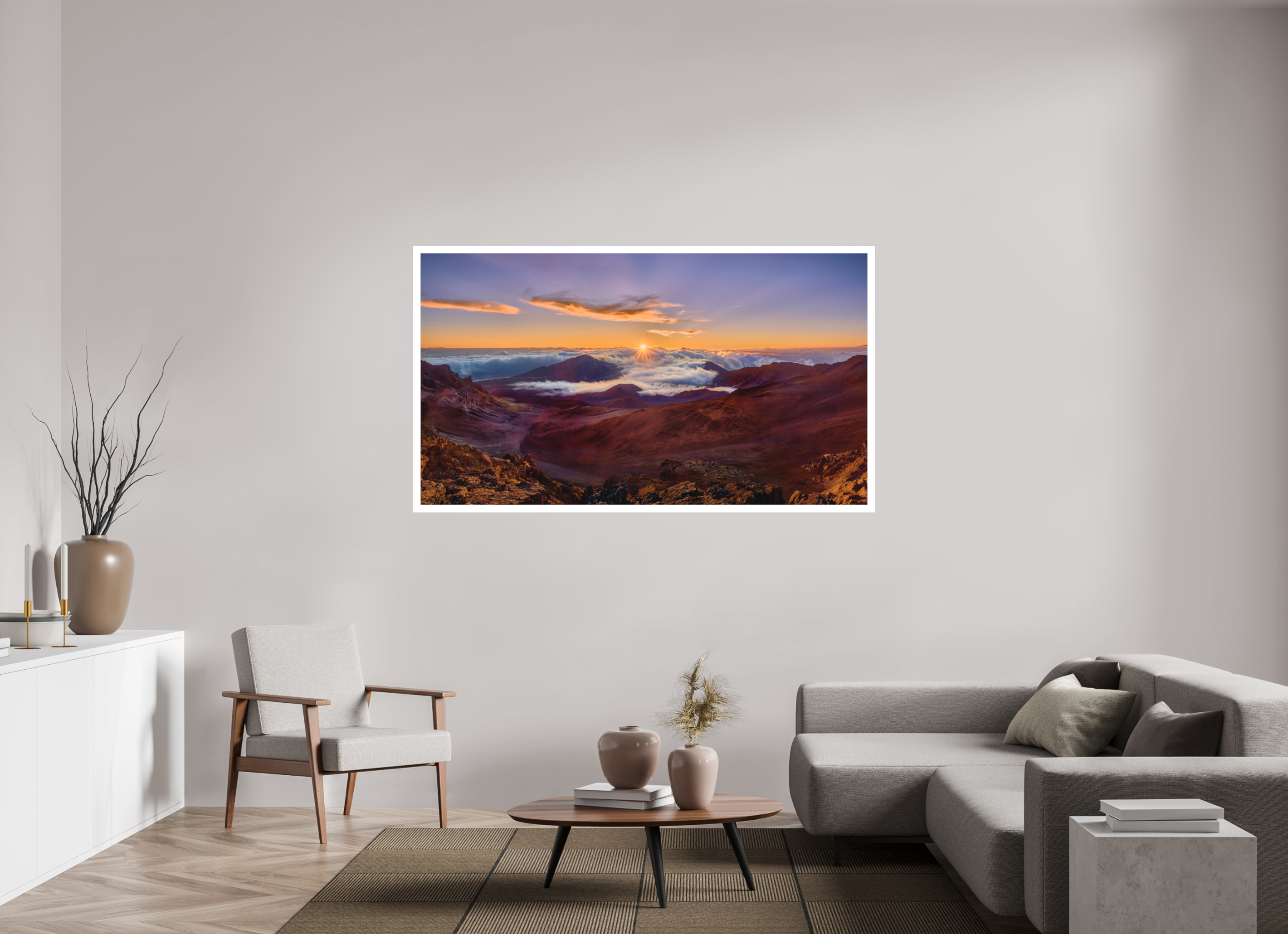
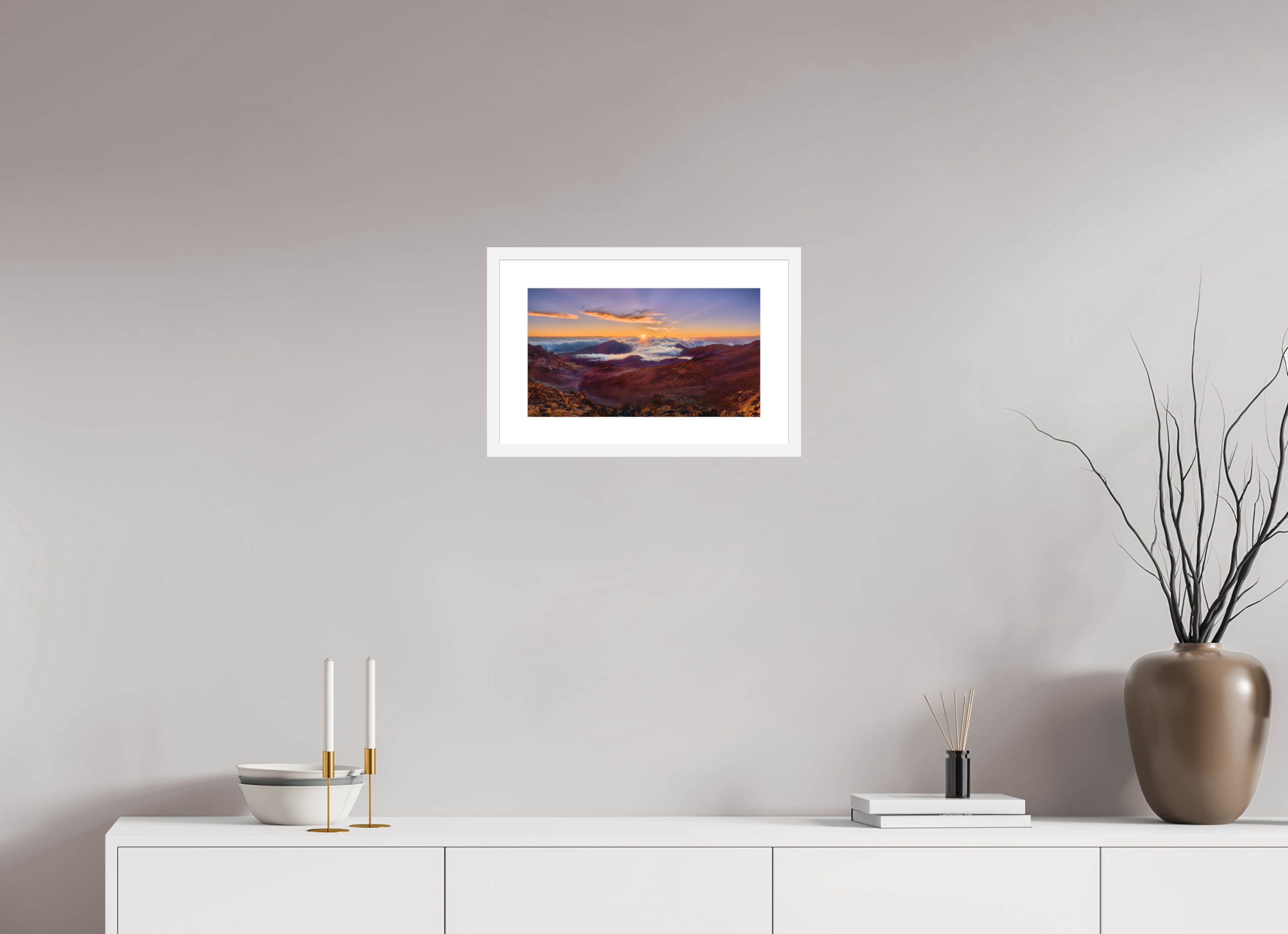
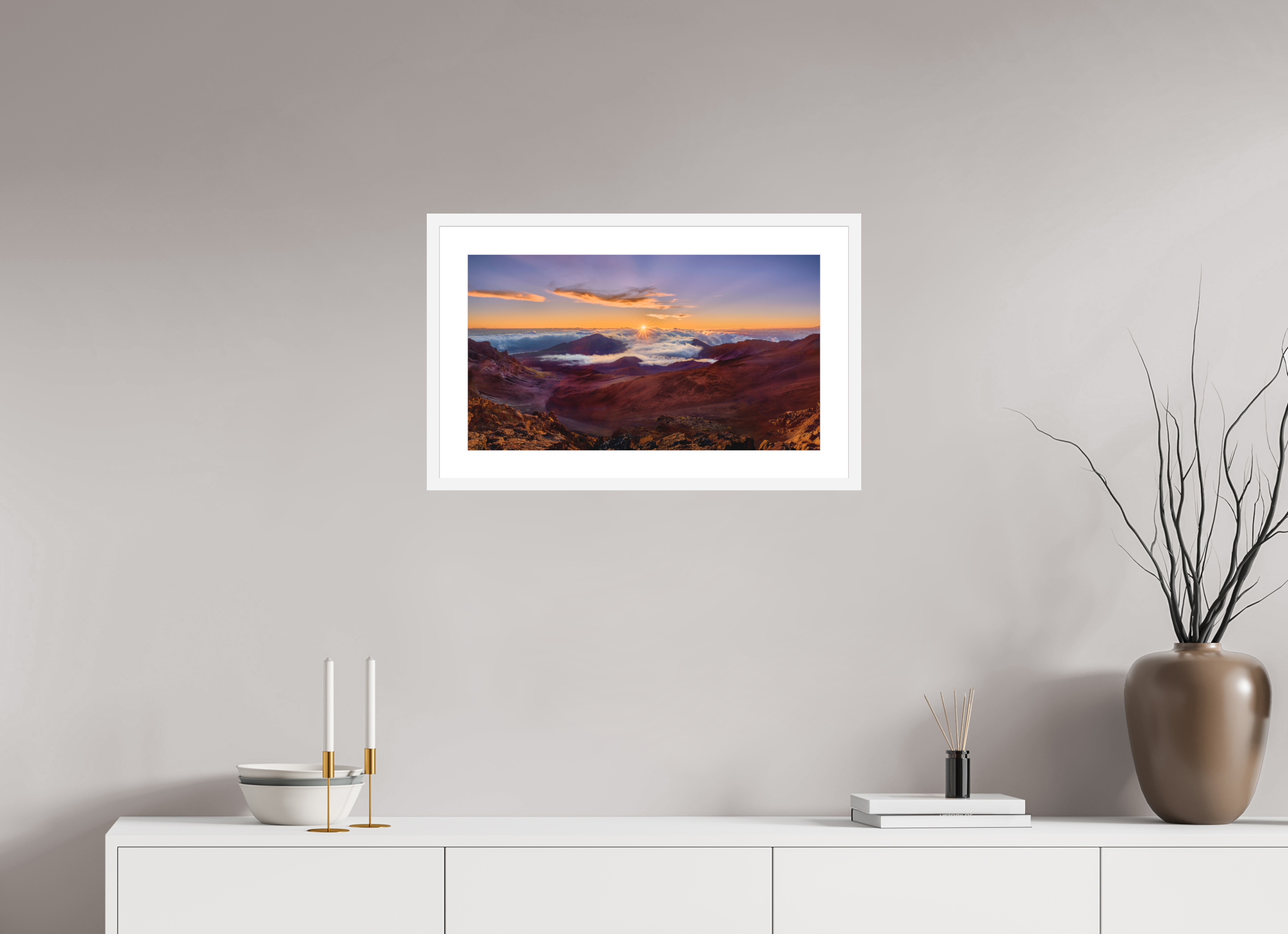

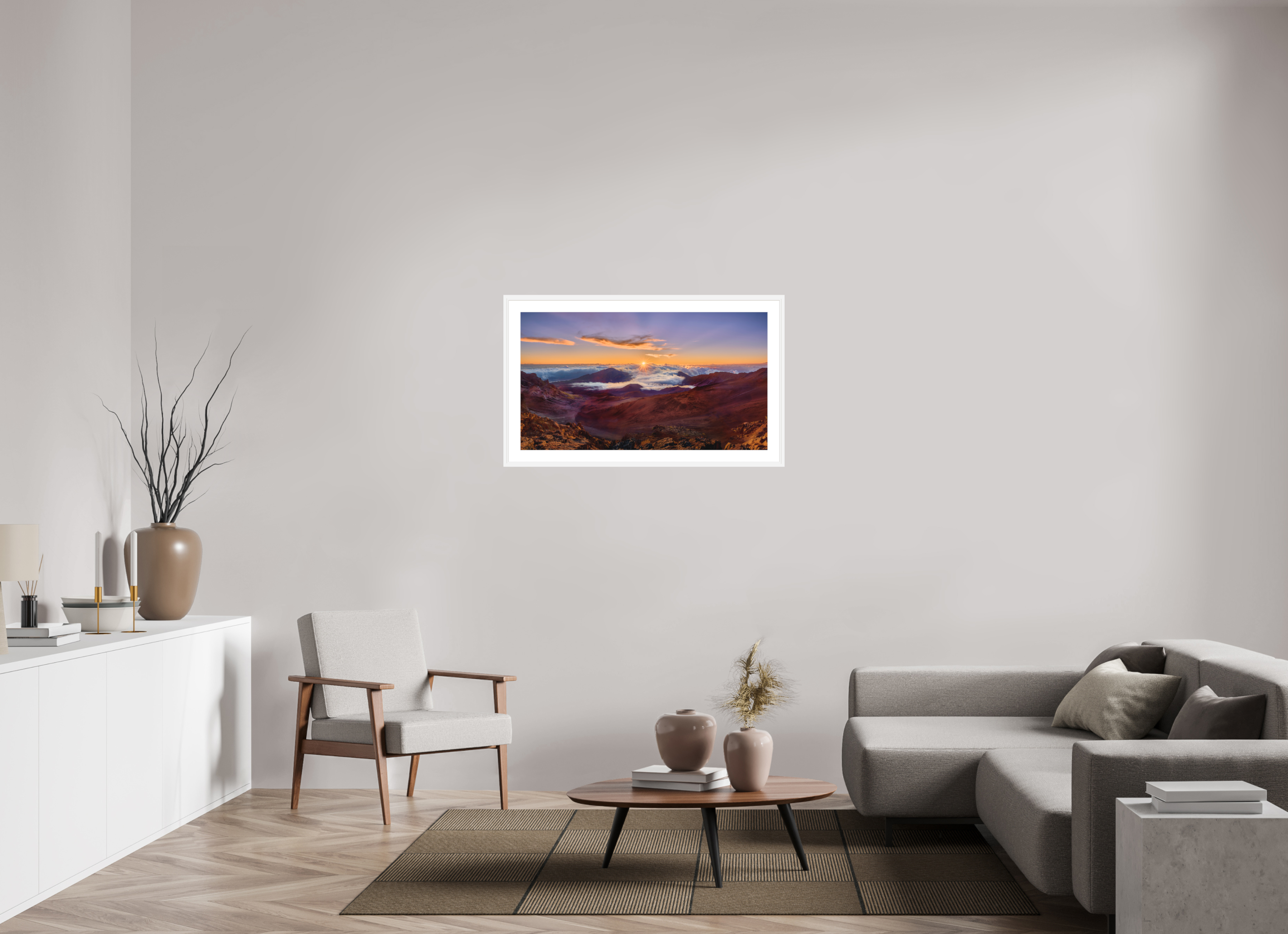

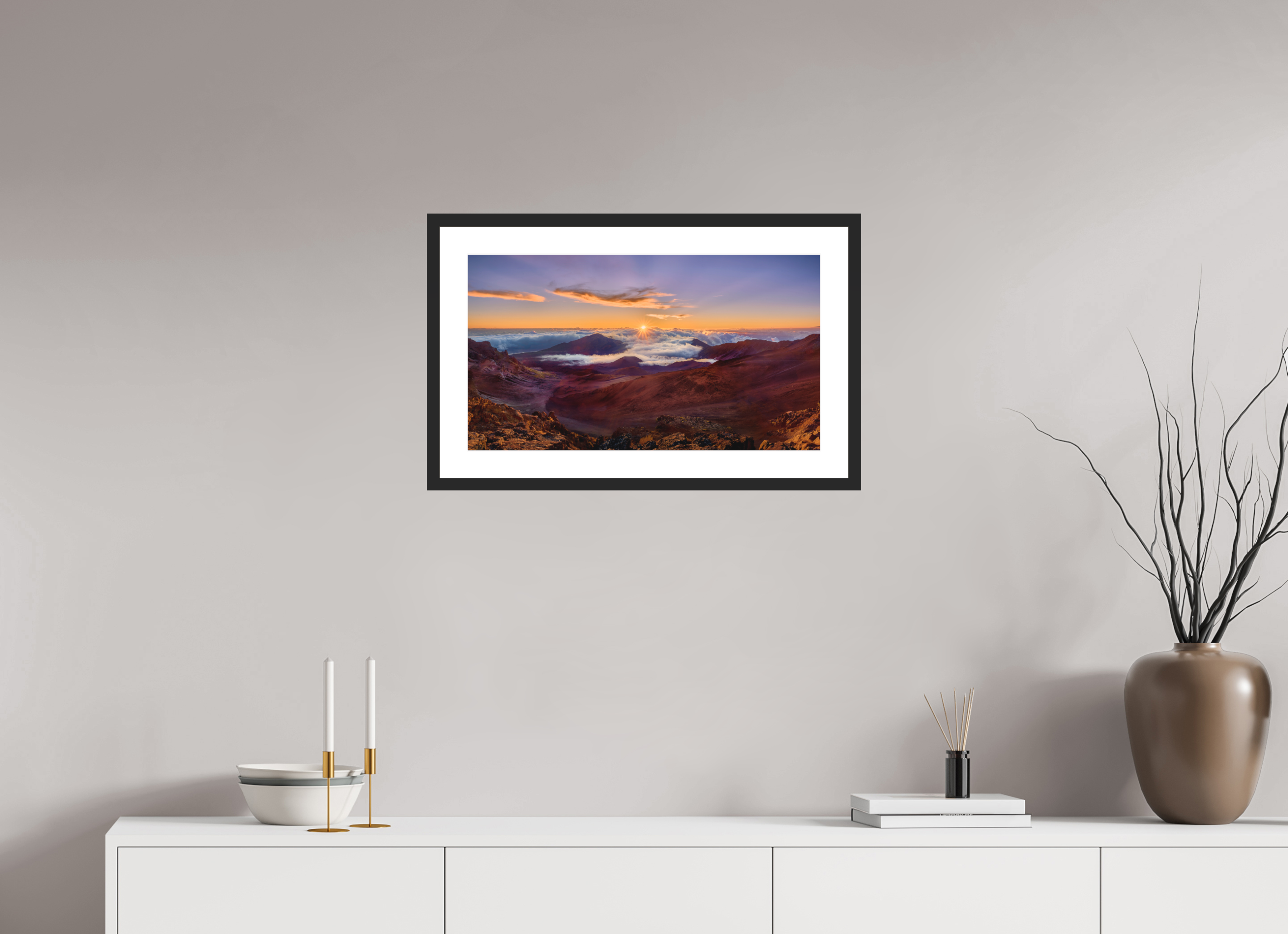

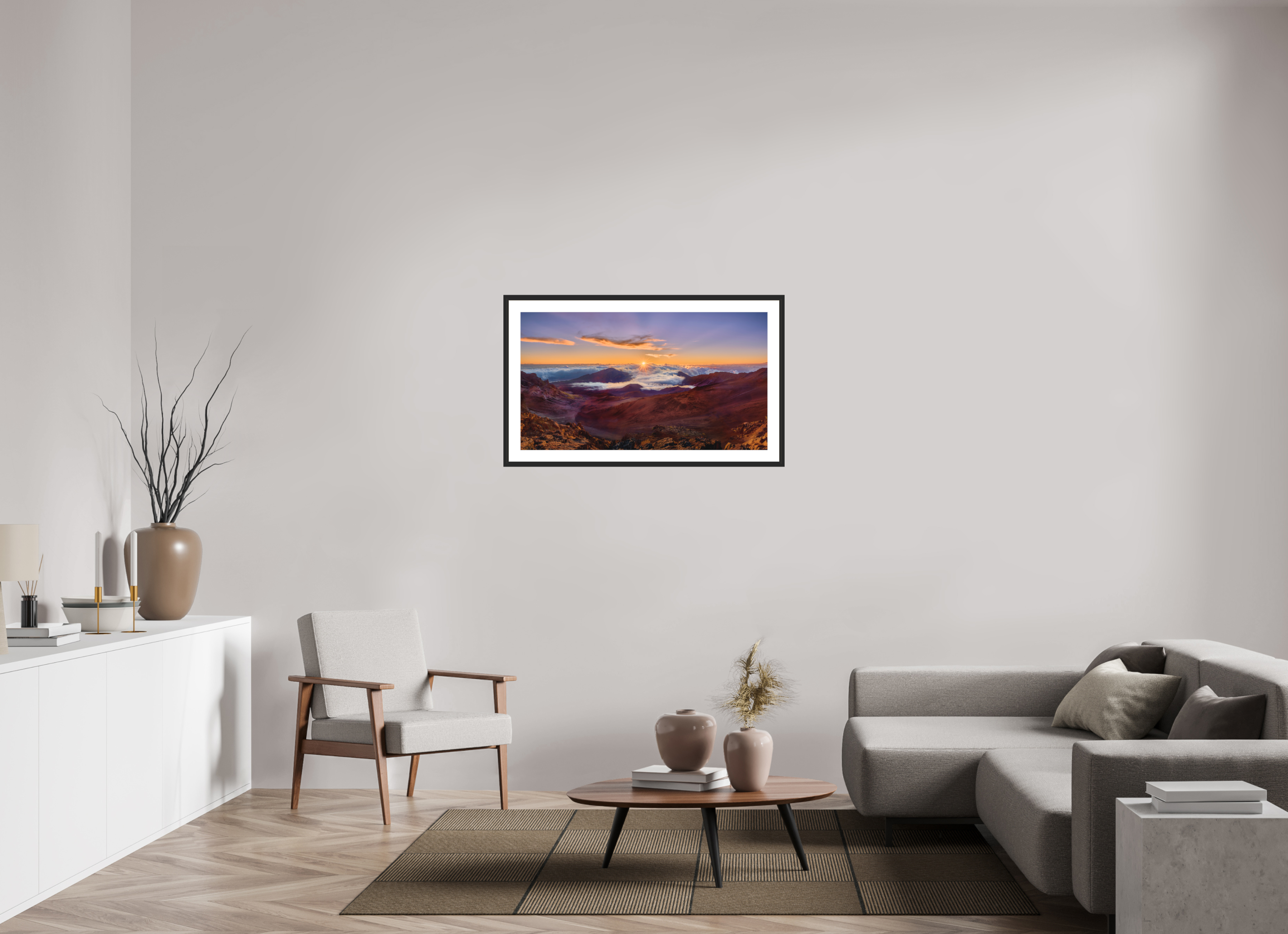

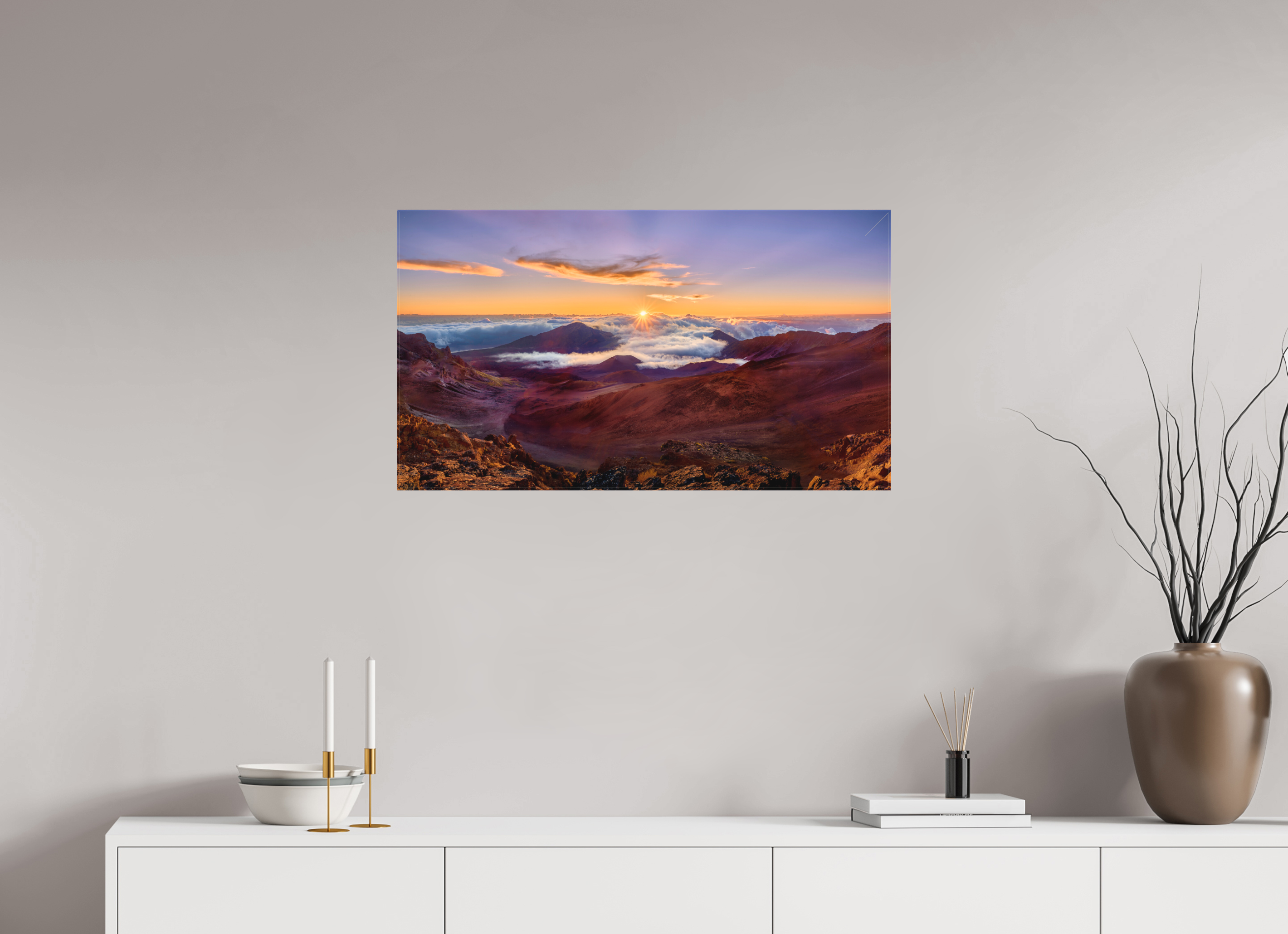


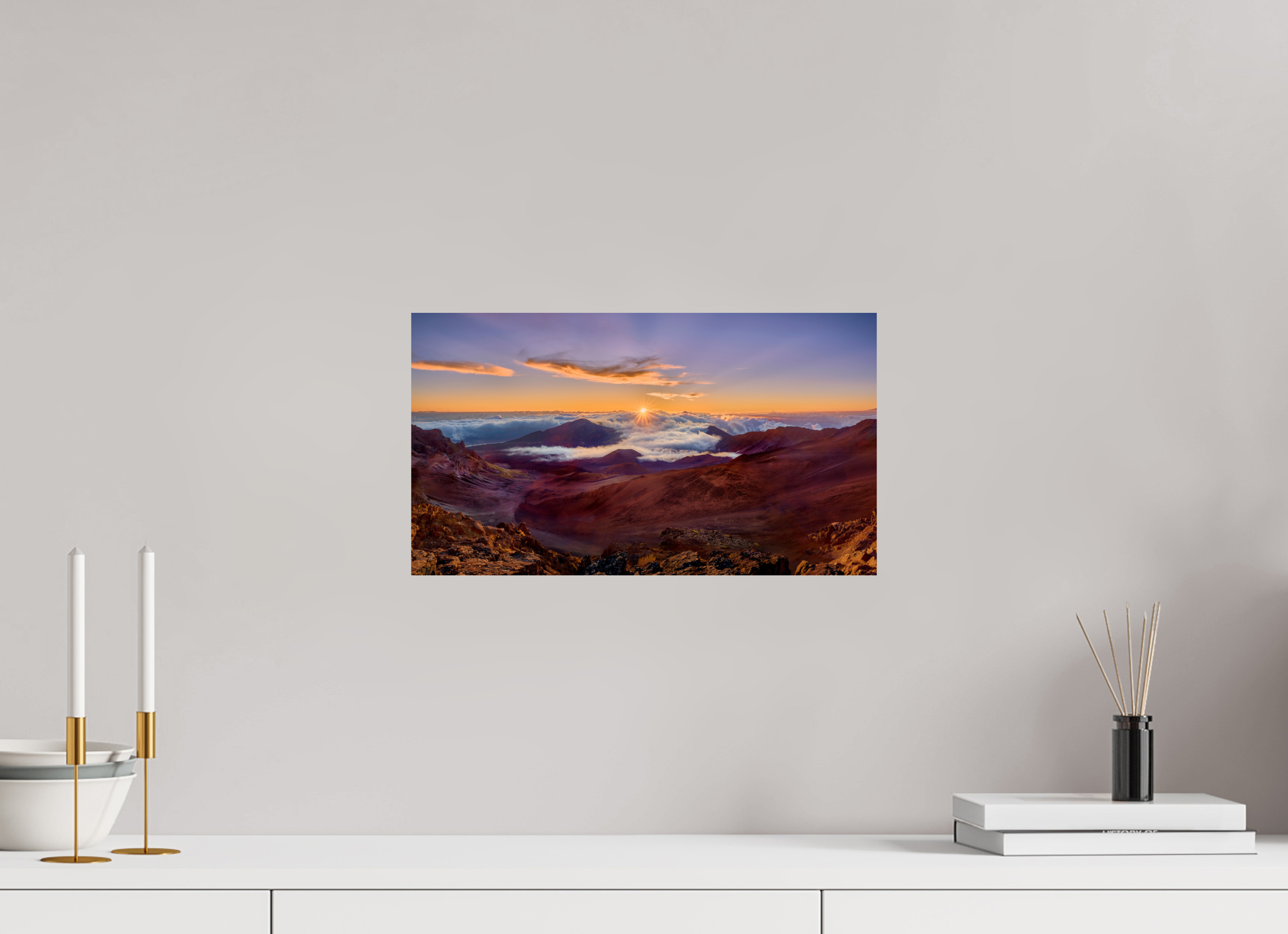
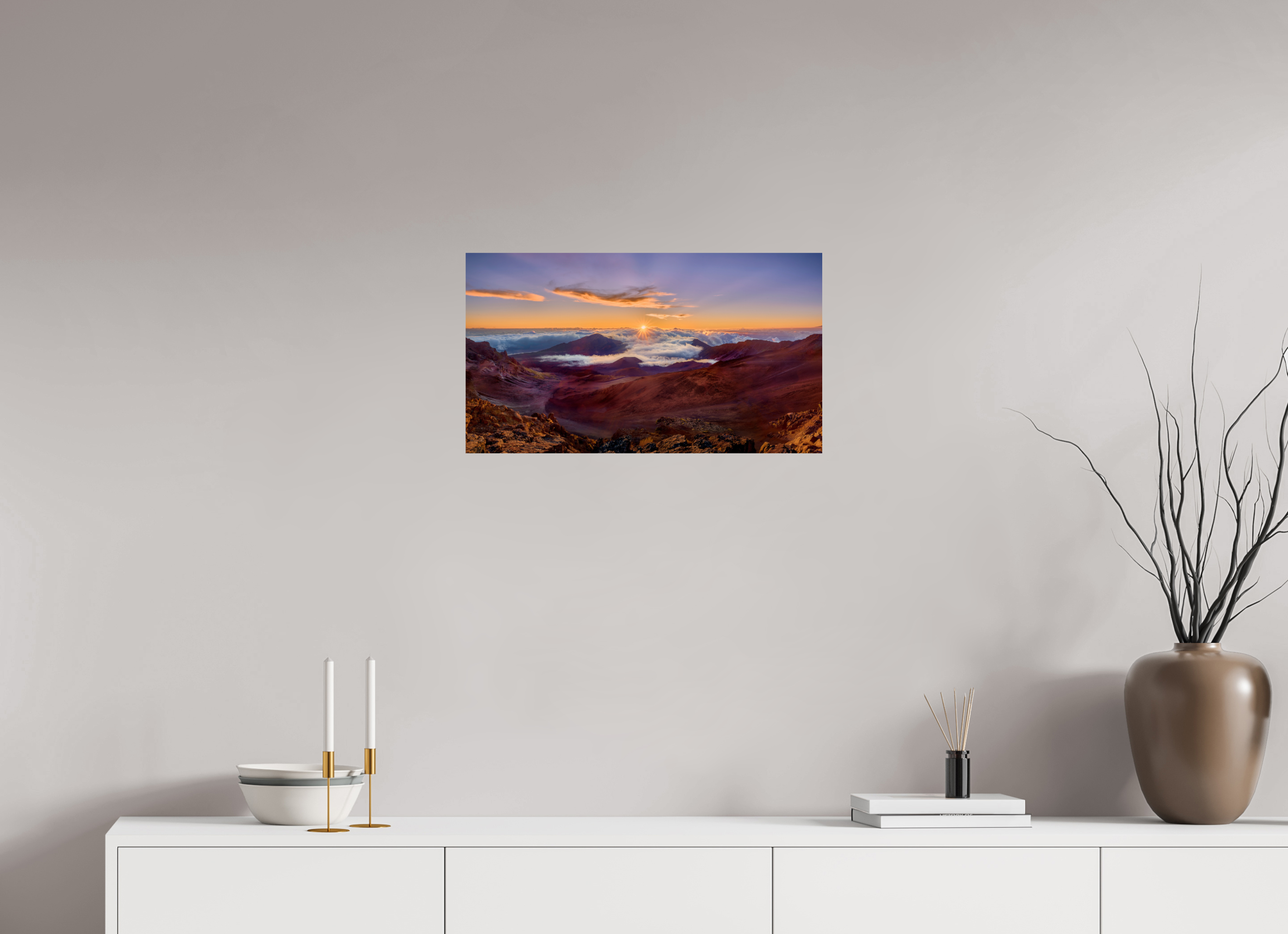
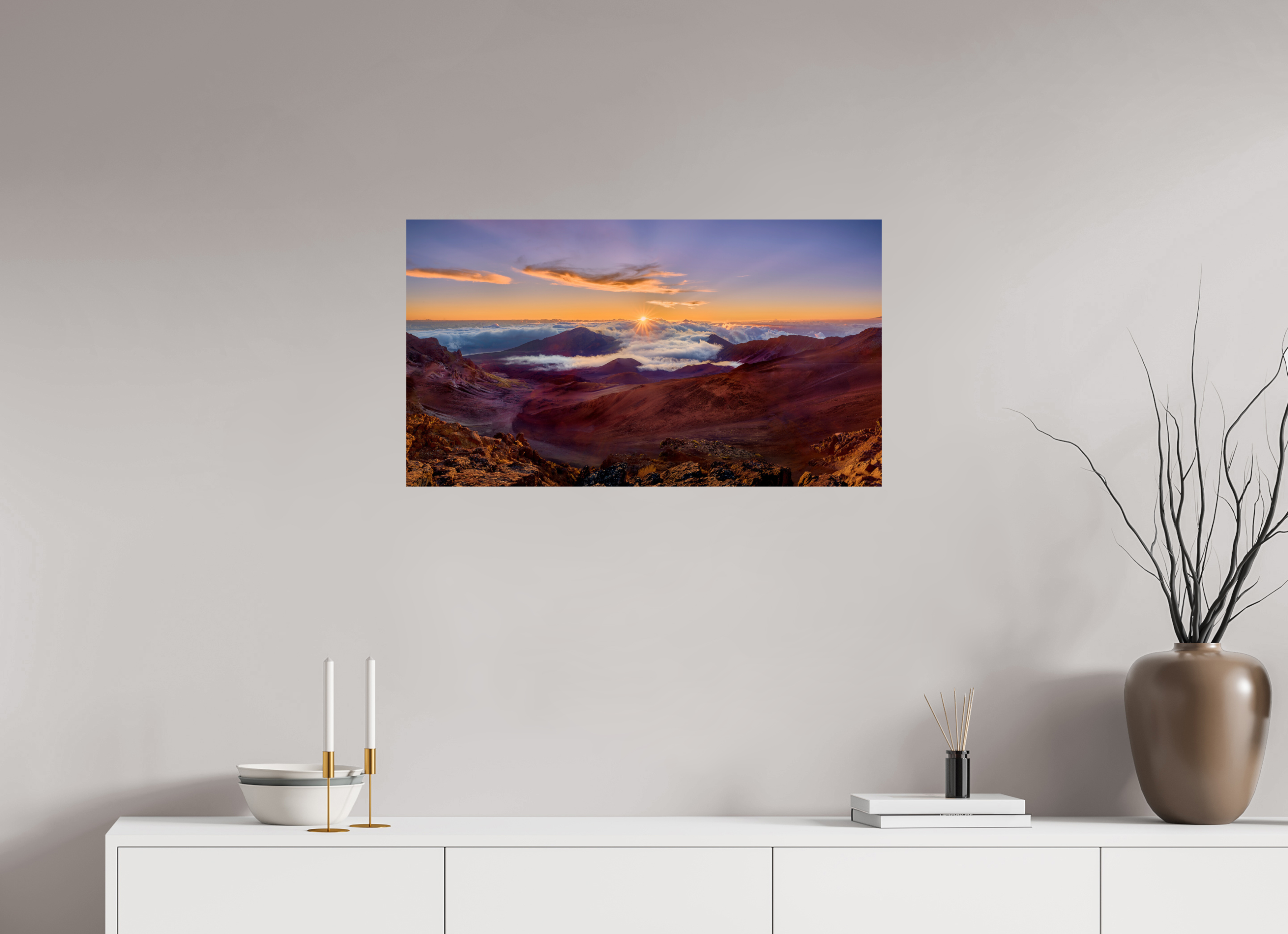


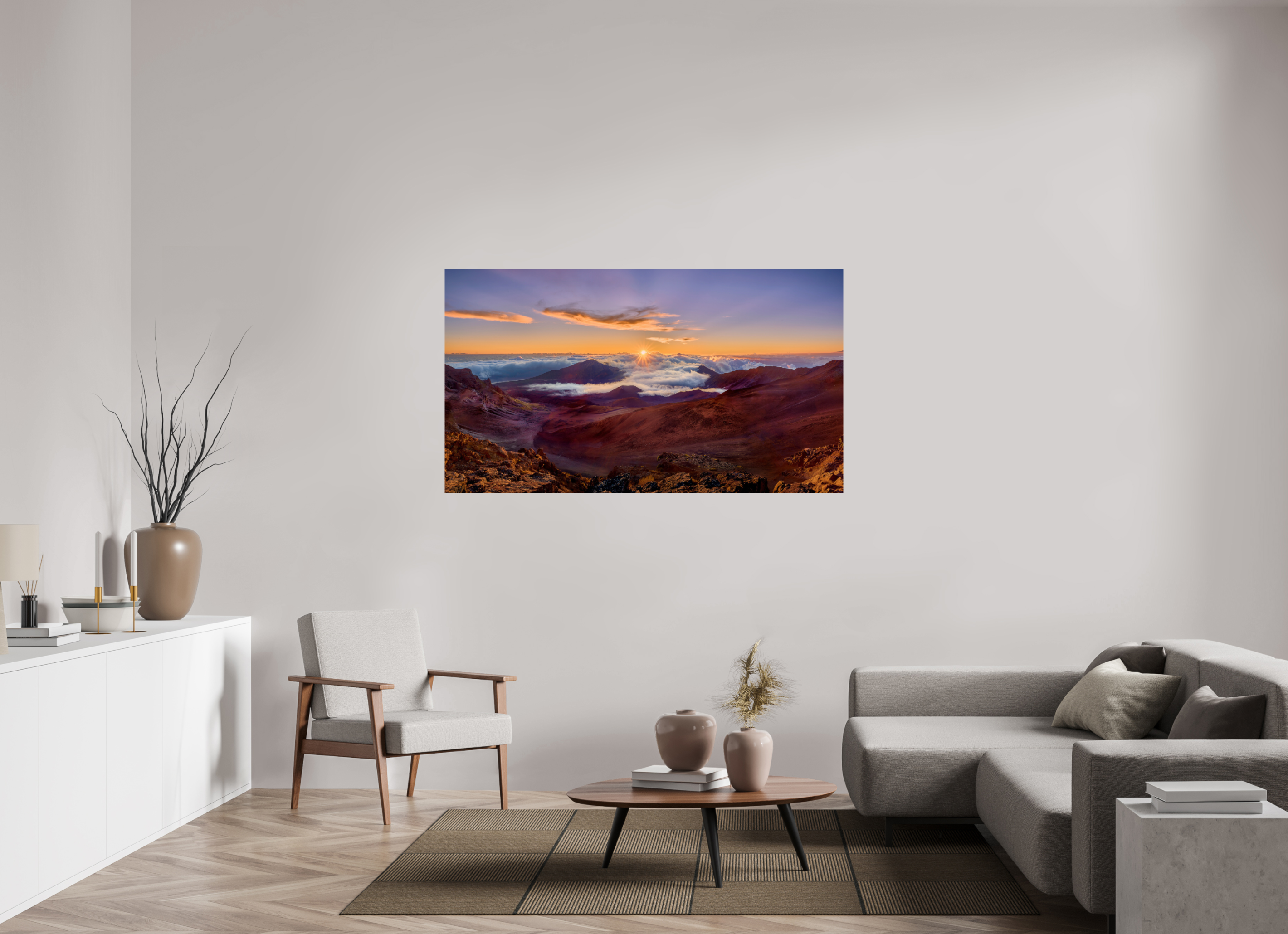

Haleakala Daybreak
IYKYK. If you've been there at sunrise, you know. If you've stood on the rim close enough to feel as though you're already falling into the crater, you know what it feels like. In years past, no reservation was required. Now you do, and they are not easy to come by. You did your homework and secured yours months before the trip. Your partner was impressed. Or maybe not.
You got up early — not entirely sure how seriously to take the advice about dressing warmly — and made the long winding drive up the Haleakala Highway to the summit. When you step out of the car, it's cold. Really cold. Not the mild chill of a Maui morning at sea level — unnaturally cold, because you are now standing at eleven thousand feet. and the seashore breeze has become a biting wind. If you didn't bring enough layers, you will shiver for a while before this moment arrives. And then you won't care.
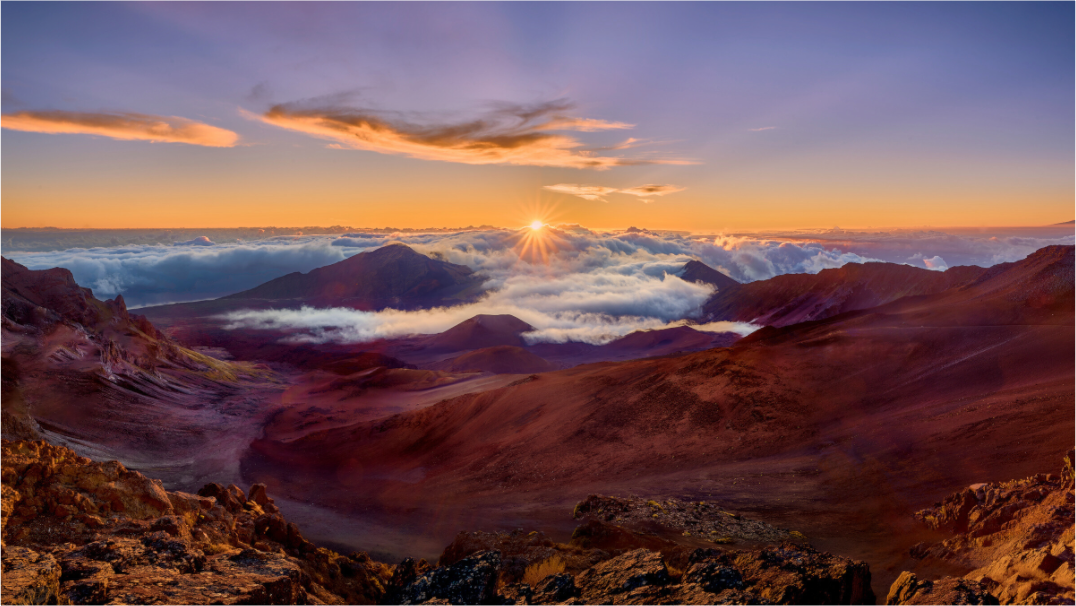
For what seems like an eternity, you watch the first faint light of nautical twilight appear against the horizon, and then dawn begins to work. The sky starts to change color. In the dimness, thick clouds pour into the crater nearly three miles across the rim, as though a levee has burst on a river of turbulence. The scale is overwhelming. You almost hold your breath, worried the deep cloud cover will obscure the sunrise. At this altitude on Maui, you are above the clouds — but they move, and the uncertainty is part of what you came for.
More often than not, the clouds become your horizon; lean into it. Eventually, the entire skyrim begins to glow in shades of yellow blending into orange, sometimes red, and you get ready to make your image. Your hands are cold. Your fingers may not be feeling the shutter button any more. That's fine. You persevere. And eventually the moment you came for arrives. If you were ready with your camera and knew what you wanted to do, you had time to get the shot — and still be in the moment with someone you love.
Haleakala National Park, Maui 2017
Nikon D810
Zeiss Otus 28mm
Request Custom Quote
Interested in this artwork in a different medium or size? Please contact us for a custom quote.
There are so many ways to print an image, so many papers and inks, and thousands of ways to frame or mount it. How does one choose? We've tried to simplify this process, by offering the types of prints, frames, and mountings that we use and love in our own home, and that we know complement our artwork.
Here is a short guide to the formats we offer:
Acrylic Block Gift Box
A small display piece — usually 4×6 or 8×8 inches. Whitewall's method is what makes this worth offering: the image is printed on archival paper first, then bonded to the acrylic. Many competitors print directly to acrylic, which compromises color reproduction and longevity. Our version keeps the brilliance and dimensional quality of a full acrylic presentation at a size and price that make it right for gifting or for a small dedicated space. Ships in a gift box. Available for images with native 1:1, 3:2, or 4:3 aspect ratios; for wider panoramas or unusual crops, see the other formats or request a custom quote. We have other printing houses for acrylic block in non-standard sizes.
Fine Art Bonded Acrylic
This is our premier print format. Pigment inkjet on Hahnemühle fine art paper, laminated behind glossy acrylic glass on an Alu-Dibond backing, in a brushed silver slimline case. The pigment inkjet process holds the widest color spectrum and the finest tonal gradation of any medium we offer, and the paper is archival for generations. To achieve the best longevity, the printed image is sealed behind acrylic glass with permanently elastic silicone. The sophisticated technology ensures perfect results for images of any size and also makes it possible to create impressive large formats up to 115 x 70 inches (290 x 180 cm) as seamless photo prints.This is our preferred gallery presentation, and we make it available in a variety of matted and unmatted with slimline frames of various tones, depending on the image itself. We love how the slimline case creates a sense of elegance, while staying out of the way of the print, which projects forward from the case. All Bonded Acrylic prints are mounted beneath museum matte acrylic to minimize reflections in almost all lighting conditions while accentuating the tones and depth opf the image.
Passe-Partout, Black or White
Baryta paper — the silver-tone paper fine art black-and-white printing has used for eighty years — mounted in a double-mat passe-partout framing behind museum glass. Available with a black frame or a white frame; the paper and mat treatment are identical, only the frame color differs. Black frames read more contemporary and architectural; white frames read more traditional and gallery-quiet. Available for any image, though the treatment reads most naturally on monochrome work.
Textile Print
A pigment print on woven textile, wrapped on a wooden stretcher frame with mirror-edge treatment on the sides. Different from standard canvas: the surface is finer, the print holds detail better, the presentation is more sophisticated. Lightweight compared to acrylic or paper-under-acrylic, easier to hang, and the price point stays accessible while still feeling serious. Best for larger sizes and rooms where reduced weight and reflection matter.
Giclée on Alu-Dibond
For those who want to select their own framing and/or glass cover. A giclée fine art print on Hahnemühle FineArt Pearl paper, mounted on Alu-Dibond backing, no glass, no frame. The paper texture is visible; there are no reflections; the print itself is what the viewer sees. This is what a curated gallery show hangs. Best for viewers who want the print to speak without any surface between it and them. It's also for someone who wants to have their print custom framed with specific glass.
Not seeing what you want?
We understand that every living space is unique, and every person has their own tastes. So, if what we offer as our standard array is not exactly what you want, we recommend you reach out to us and let us know what interests you. We can guide you through the vast WhiteWall selection process and prepare a custom quote for you. If you have a specific medium, size, or presentation in mind that isn't listed here, please request a custom quote — we can work directly with Whitewall's full catalog to build a piece to your specifications.
Elige opciones